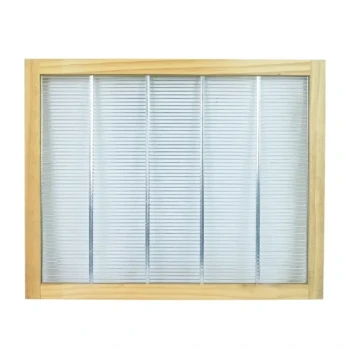
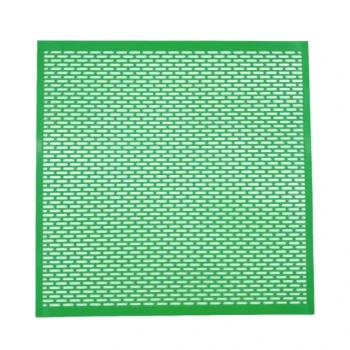
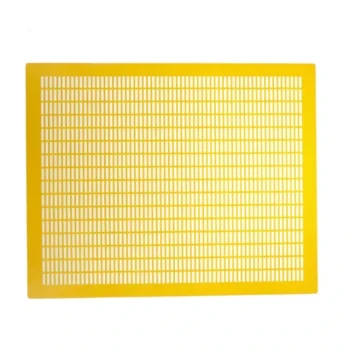
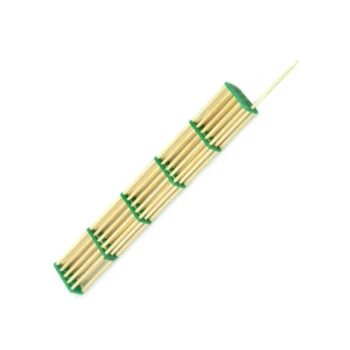
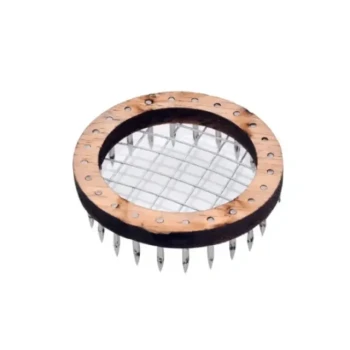
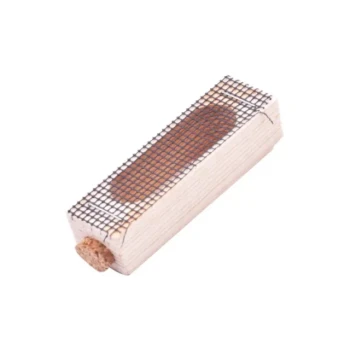
Modified beehives equipped with wire mesh queen excluders serve as precision timing tools that allow researchers to dictate the exact start of larval development. By physically restricting the queen to a specific comb area, these devices force egg-laying to occur within a strictly defined window. This mechanism produces a batch of larvae with a completely uniform age, which is the foundational requirement for accurate developmental sensitivity experiments.
The core value of this modification is the elimination of age-related variability. By synchronizing the egg-laying clock, researchers ensure that any observed physiological changes are the result of experimental variables—such as pesticides or pathogens—rather than natural differences in larval maturity.
Achieving Temporal Synchronization
The Mechanism of Restriction
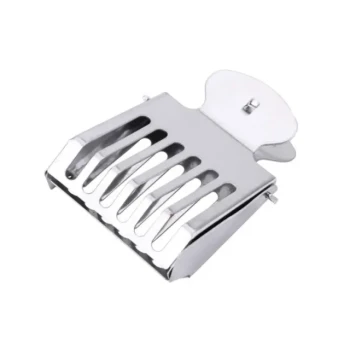
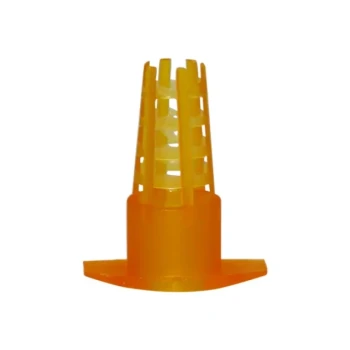
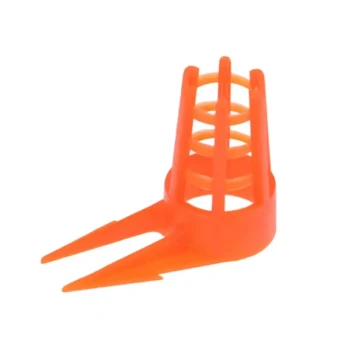
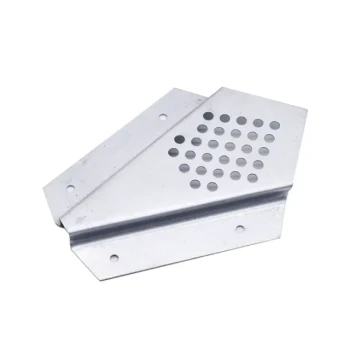
The primary function of the wire mesh excluder is to limit the queen’s movement to a specific frame or section of the hive. While the worker bees can pass through the mesh to tend to the comb, the larger queen remains confined to the designated area. This concentration ensures that all eggs on that specific comb are laid within a researcher-controlled timeframe.
Defining the Laying Window
Researchers can adjust the duration of this restriction to suit the precision required by the study. Protocols may limit the queen to a window as short as 5 hours or extend up to 48 hours. The tighter the window, the more identical the developmental stage of the resulting larvae.
The Criticality of Age Uniformity
Removing Experimental Noise
In biological research, even minor differences in age can skew data. If larvae on the same frame vary in age by even a day, their metabolic rates and biological responses will differ. Using an excluder ensures that downstream analyses, such as proteomic profiling, are measuring the treatment effect rather than developmental discrepancies.
Precision in Dose-Response Testing
Uniformity is non-negotiable for toxicology studies, particularly pesticide dose-response tests. Larvae at different instars (developmental stages) have vastly different tolerance levels to toxins. Synchronized batches allow researchers to pinpoint exact sensitivity thresholds without the data being muddied by older, more resilient larvae.
Pathogen Susceptibility Studies
Experiments involving parasites or diseases, such as chalkbrood infestation, require precise timing. Larvae are often only susceptible to specific pathogens during narrow developmental windows. The modified hive ensures the entire test group enters that window of susceptibility simultaneously.
Operational Considerations and Trade-offs
Balancing Sample Size and Precision
While a shorter restriction period (e.g., 5 hours) yields the highest temporal precision, it may result in fewer eggs laid. Conversely, a 48-hour window guarantees a larger sample size but introduces a wider margin of developmental variance. Researchers must choose the window that balances statistical power with biological precision.
Contextual Standardization
These excluders are typically integrated into Standardized Langstroth hives. This combination allows for not only precise egg-laying but also the easy extraction of frames for incubation in constant-temperature environments. The physical standardization of the hive complements the temporal standardization of the larvae.
Making the Right Choice for Your Research
To effectively utilize modified hives with queen excluders, align the restriction protocol with your specific data requirements:
- If your primary focus is toxicology or proteomics: Prioritize a short restriction window (e.g., 4-6 hours) to ensure near-identical metabolic states, as these fields are highly sensitive to minute developmental differences.
- If your primary focus is general colony development or pathogen loading: A moderate window (e.g., 24-48 hours) may be sufficient to synchronize the brood while maximizing the number of viable subjects for statistical analysis.
Mastering the use of queen excluders transforms the hive from a chaotic natural environment into a controlled laboratory instrument, ensuring your data reflects true biological cause and effect.
Summary Table:
| Feature | Research Benefit | Application |
|---|---|---|
| Queen Restriction | Temporal synchronization of egg-laying | Uniform larval age across frames |
| Variable Windows | Balances sample size vs. precision | Toxicology (Short) vs. Pathology (Long) |
| Physical Isolation | Limits queen to specific comb areas | Controlled dose-response testing |
| Standardized Integration | Compatible with Langstroth hives | Easy frame extraction for incubation |
Elevate Your Beekeeping Operations with HONESTBEE
At HONESTBEE, we understand the precision required by commercial apiaries and industry distributors. Whether you are conducting advanced research or managing large-scale honey production, our comprehensive wholesale portfolio has you covered.
Our Value to You:
- Specialized Machinery: From hive-making to honey-filling machines, we provide the hardware to scale your business.
- Complete Tooling: A full spectrum of beekeeping tools and wire mesh equipment designed for durability and precision.
- Industry Consumables: A wide array of essential supplies and honey-themed cultural merchandise to diversify your offerings.
Ready to enhance your efficiency with professional-grade equipment? Contact us today to explore our wholesale solutions!
References
- Nuria Morfín, Ernesto Guzmán‐Novoa. Interaction of Varroa destructor and Sublethal Clothianidin Doses during the Larval Stage on Subsequent Adult Honey Bee (Apis mellifera L.) Health, Cellular Immunity, Deformed Wing Virus Levels and Differential Gene Expression. DOI: 10.3390/microorganisms8060858
This article is also based on technical information from HonestBee Knowledge Base .
Related Products
- Premium Wood Framed Metal Wire Queen Bee Excluder
- Lightweight Durable Plastic Queen Excluder Scraper for Beekeeping
- Metal Queen Bee Excluder for Beekeeping
- Wooden Queen Bee Excluder for Beekeeping
- Professional Dual Action Queen Excluder Scraper for Beekeeping
People Also Ask
- What types of queen excluders are available for beekeepers? Choose the Right Tool for Your Hive
- Why are standardized hive frames and queen excluders essential for maintaining honey purity and quality? Scale Your Purity
- How does a queen-bee excluder function as a defense against Small Hive Beetles? Protect Your Honey with Resource Denial
- What is the purpose of an entrance queen excluder? Prevent Absconding and Stabilize Your New Honeybee Colony
- What is the function of a queen excluder? Maximize Honey Yield and Ensure Data Integrity for Your Apiary