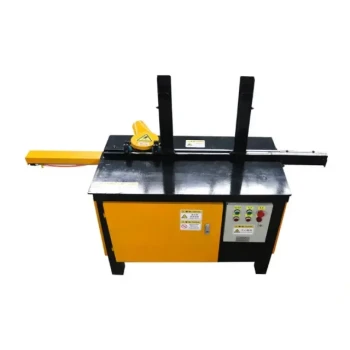
Precision pin-killing tools function by accurately sacrificing specific larvae within capped cells to simulate natural larval death without compromising the physical honeycomb. This controlled action triggers the colony's cleaning response, allowing breeders to measure how quickly adult bees detect and remove the dead brood, effectively screening for disease-resistance traits.
Core Takeaway The primary purpose of this tool is to quantify "hygienic behavior"—the speed at which a colony removes dead brood. By isolating this specific genetic trait, breeders can effectively select queen bees that possess natural resistance to serious pathologies like American Foulbrood (AFB) and Chalkbrood.
The Mechanics of Disease Resistance Screening
Simulating Pathological Death
The tool is designed to pierce capped brood cells to kill the developing larvae inside. This process mimics the biological signals associated with larval death caused by disease. By artificially introducing these dead larvae, breeders can test the colony's response without introducing actual pathogens.
Preserving Honeycomb Integrity
A critical feature of these precision tools is the ability to kill the larva without damaging the surrounding wax structure. The goal is to ensure the bees are reacting to the presence of dead brood, not structural damage to the comb.
Measuring Hygienic Behavior
Once the larvae are killed, the colony is monitored to see how fast the adult bees detect and remove the carcasses. This speed is the defining metric of hygienic behavior. Colonies that clear the cells rapidly prevent diseases from spreading from the dead larvae to the rest of the hive.
The Role of Standardization in Genetic Selection
Isolating Genetic Quality
To ensure the test results are valid, external variables must be minimized. Installing colonies in standardized beekeeping machinery and using uniform frames ensures that the cleaning performance is attributed directly to the colony's genetic quality, not environmental differences.
Locking in Superior Resources
When combined with standardized operational procedures, pin-killing tests allow for the efficient identification of superior genetic resources. Breeders use this data to select and breed queens that demonstrate high disease resistance across multiple colony samples.
Understanding the Trade-offs
Specificity vs. General Health
While the pin-killing test is excellent for identifying resistance to brood diseases like AFB and Chalkbrood, it does not measure other aspects of colony health. For example, it does not assess foraging capacity or honey yield, which requires other tools like industrial precision scales.
The Risk of False Positives
Precision is paramount; if the tool damages the cell cap or the comb walls significantly, bees may remove the larvae to repair the structure rather than due to hygienic detection. This distinction is vital for ensuring the selected bees are truly disease-resistant rather than just efficient builders.
Making the Right Choice for Your Goal
To maximize the effectiveness of your breeding program, align your testing methods with your specific objectives:
- If your primary focus is disease eradication: Prioritize the selection of queens from colonies that demonstrate the fastest removal rates in the pin-kill test, specifically targeting resistance to American Foulbrood and Chalkbrood.
- If your primary focus is valid genetic data: Ensure all pin-kill tests are conducted within standardized hives and frames to eliminate environmental interference variables.
True disease resistance in the apiary begins with the precise identification and propagation of superior hygienic genetics.
Summary Table:
| Feature | Function in Disease Screening | Impact on Breeding |
|---|---|---|
| Larval Sacrifice | Mimics biological signals of disease without pathogens | Safe testing for AFB and Chalkbrood resistance |
| Honeycomb Preservation | Ensures only dead brood (not damage) triggers response | Prevents false positives in genetic selection |
| Hygienic Speed Test | Measures the time taken for bees to detect/remove carcasses | Identifies colonies with superior cleaning genetics |
| Standardized Testing | Removes environmental variables using uniform frames | Ensures data reflects true colony genetic quality |
Elevate Your Apiary Genetics with HONESTBEE
At HONESTBEE, we empower commercial apiaries and distributors with the specialized tools needed for advanced breeding and honey production. Whether you are identifying disease-resistant traits with precision pin-killing tools or scaling operations with our industrial honey-filling and hive-making machinery, our comprehensive wholesale portfolio is designed for your success.
From high-performance beekeeping equipment to essential consumables and honey-themed cultural merchandise, we provide the hardware and expertise to lock in your superior genetic resources. Contact us today to discover how HONESTBEE can streamline your supply chain and enhance your colony productivity!
References
- Rémy Vandame, María Alejandra Palacio. Preserved honey bee health in Latin America: a fragile equilibrium due to low-intensity agriculture and beekeeping?. DOI: 10.1051/apido/2010025
This article is also based on technical information from HonestBee Knowledge Base .
Related Products
- HONESTBEE Professional Long Handled Hive Tool with Precision Cutting Blade
- Precision Stainless Steel Frame Cleaner for Hive Grooves and Corners
- HONESTBEE Bee Frame Grooving Machine | Precision Slotting for Bee Frame Making
People Also Ask
- Why are professional hive tools considered indispensable? Master Beekeeping Maintenance with Precision Leverage
- What is the role of professional hive tools in routine apiary maintenance? Expert Tips for Hive Health and Longevity
- What is a bee hive tool? Discover Why It’s the Most Essential Hand Tool for Every Beekeeper
- How do hive tools and queen rearing equipment facilitate the bee colony splitting process? Restore Your Apiary Faster
- Why are professional hive tools & observation equipment necessary for queen rearing evaluation? Master Your Quality