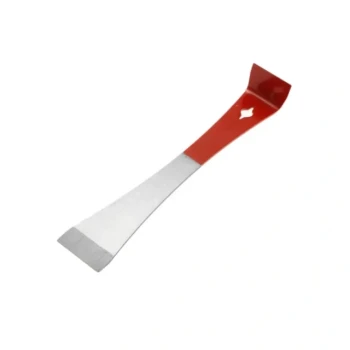
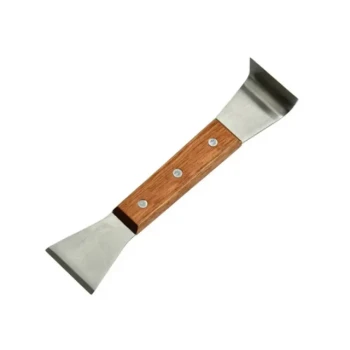
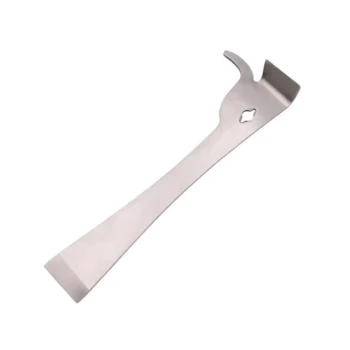
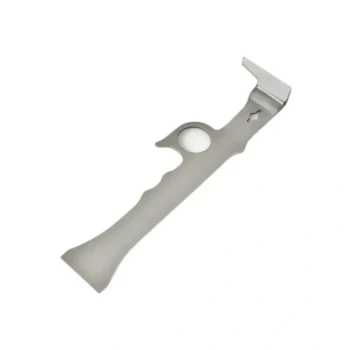
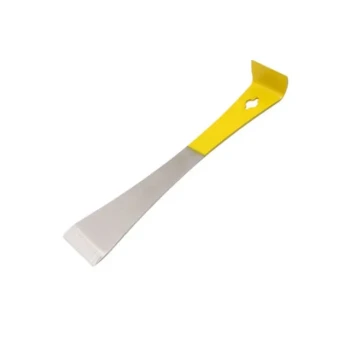
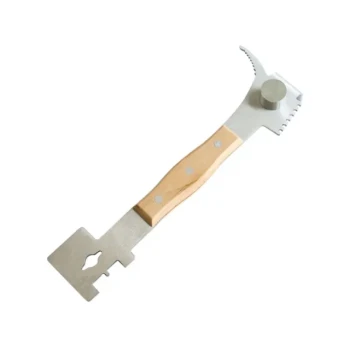
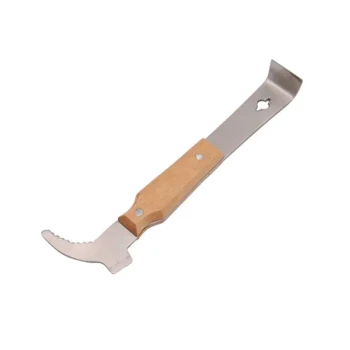
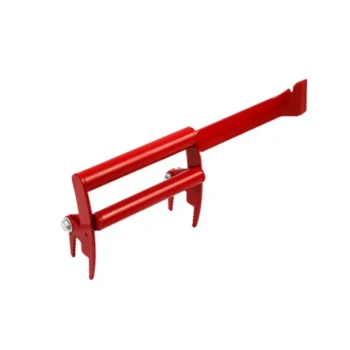
The metal hive tool is the fundamental lever of apiculture. It is essential primarily because bees synthesize propolis, a powerful natural resin used to cement hive components together. The tool’s high-hardness metal construction provides the necessary mechanical leverage to break these bonds, allowing beekeepers to pry apart frames and boxes that would otherwise be immovable.
The biological instinct of the bee is to seal and stabilize, while the goal of the beekeeper is to inspect and manage. The hive tool resolves this conflict by providing the leverage required to overcome propolis adhesion without damaging the hive or the colony.
The Physics of the Hive: Overcoming Adhesion
The Role of Propolis
Honey bees instinctively coat the interior of the hive with propolis, a sticky resin collected from trees. They use this substance to seal gaps, waterproof the hive, and glue frames to the hive body.
The Necessity of Leverage
Propolis hardens into a bond that is often too strong to break by hand. Attempting to move components without a tool often results in jarring the hive or damaging the woodenware.
High-Hardness Structure
A hive tool relies on a high-hardness metal lever structure. This rigidity allows it to transfer significant force into tight spaces, safely separating boxes and frames that have been fused together.
Critical Maintenance Functions
Scaping and Cleaning
Beyond prying, the hive tool features sharp edges designed for scraping. It is used to remove excess beeswax (burr comb) and propolis accumulations from frame edges.
Ensuring Component Mobility
By regularly scraping away debris, the tool ensures the interchangeability and mobility of internal parts. If left unchecked, excess wax and resin can alter the critical "bee space," leading to structural damage from over-adhesion.
Pest and Disease Management
The tool serves as a precision instrument for biological management. It can be used to uncapping brood to detect varroa mites, crush Small Hive Beetles, or remove queen cells during swarm management.
Common Pitfalls to Avoid
The Risk of Equipment Damage
While the tool is designed to save equipment, its hardness exceeds that of the wooden hive parts. Using excessive force or improper angles can gouge or splinter the woodenware, creating new crevices for pests such as wax moths or beetles to hide.
Unintended Harm to the Colony
The leverage provided by the tool is powerful. Careless prying can inadvertently crush bees between frames. Precise, controlled movements are necessary to separate components without causing high mortality.
Disease Transmission via Tools
Because the tool moves deep into the hive, it can become a vector for disease. It is critical to clean the tool frequently—often by burning it in a smoker or stabbing it into the ground—to remove wax and honey that may harbor pathogens.
Making the Right Choice for Your Goal
To maximize the effectiveness of your hive management, consider how you utilize the tool based on your immediate objective:
- If your primary focus is Inspection: Prioritize using the lever end to gently pry frames apart to minimize vibration and prevent agitating the colony.
- If your primary focus is Equipment Maintenance: Use the sharp scraping edge to return frames to their original dimensions by removing propolis buildup, ensuring proper bee space.
- If your primary focus is Biosecurity: Establish a habit of sterilizing the metal surface between hives to prevent the mechanical spread of bacteria or spores.
The hive tool is not just a wedge; it is the primary interface between the beekeeper's hand and the complex architecture of the colony.
Summary Table:
| Feature | Primary Function | Key Benefit to Beekeeping |
|---|---|---|
| High-Hardness Lever | Breaks propolis seals & prys frames | Allows access without damaging wooden hive components |
| Sharp Scraping Edge | Removes burr comb & resin buildup | Maintains proper 'bee space' and equipment mobility |
| Metal Construction | Durable & Heat-sterilizable | Prevents disease transmission and ensures tool longevity |
| Precision Point | Pest management (Mites/Beetles) | Enables targeted biological control and colony inspection |
Elevate Your Apiary Operations with HONESTBEE
Maximize your productivity and protect your colony with professional-grade tools. HONESTBEE specializes in catering to commercial apiaries and distributors, offering a comprehensive wholesale selection of high-hardness metal hive tools, specialized hive-making machinery, and essential consumables.
Whether you are scaling a commercial operation or supplying the next generation of beekeepers, our hardware and honey-themed merchandise are designed for durability and precision. Contact us today to explore our wholesale catalog and see how we can streamline your honey production!
References
- ERIKA MAYR. ESCUCHEMOS A LAS ABEJAS / LECCIONES DE LA COLMENA. DOI: 10.56255/ma.v0i22.515
This article is also based on technical information from HonestBee Knowledge Base .
Related Products
- Professional Steel Pry-Bar Hive Tool with Painted Grip
- Professional Dual-End Stainless Steel Hive Tool for Beekeeping
- Professional Multi-Function Stainless Steel Hive Tool
- Professional Stainless Steel J-Hook Hive Tool
- HONESTBEE Advanced Ergonomic Stainless Steel Hive Tool for Beekeeping
People Also Ask
- What is the specific design and purpose of a frame lifter hive tool? Master Gentle Hive Inspections
- How does the frame lifter hive tool function? Master Safe and Gentle Frame Removal
- What is the primary purpose of using professional scrapers for red propolis sampling? Maximize Purity and B2B Value
- What specific sanitation issues do beehive scrapers resolve? Master Spring Hive Maintenance and Pest Control
- What is the role of a professional hive scraper in honey DNA metabarcoding? Ensure Precision in Genetic Analysis