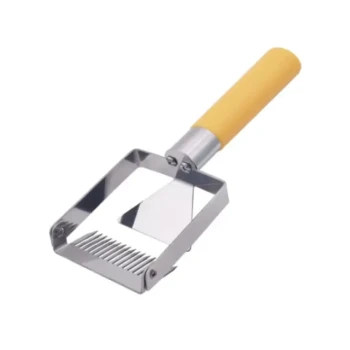
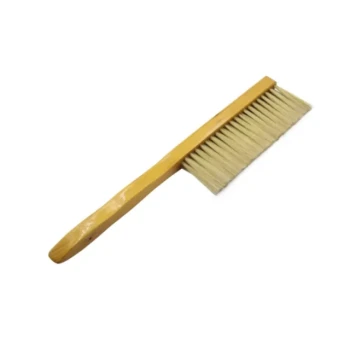
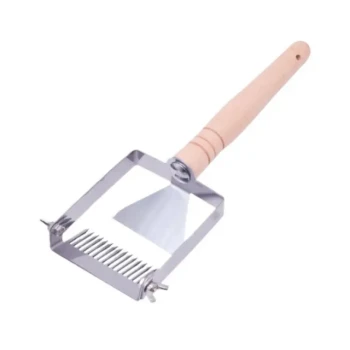
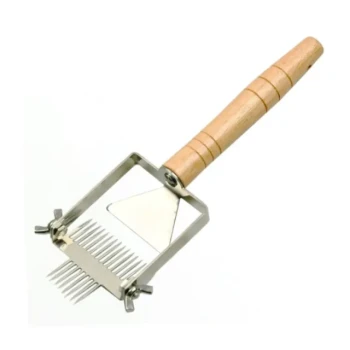
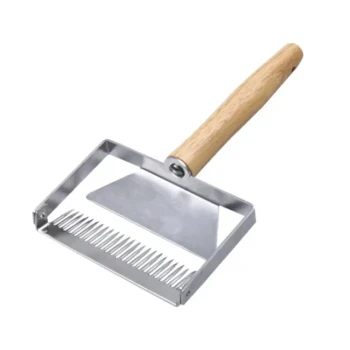
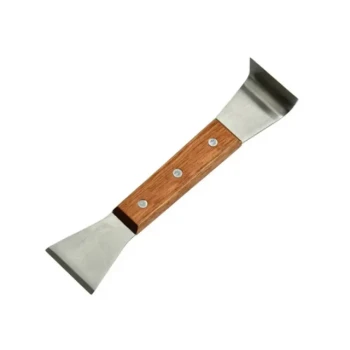
Professional beekeeping and harvesting tools are the primary defense against contamination, directly determining the purity of raw propolis. By standardizing the collection process and minimizing mechanical impurities, these tools ensure that the harvested material retains the high concentration of bioactive compounds required for effective natural preservatives.
The Core Insight While the chemical makeup of propolis fluctuates based on geography and local flora, professional harvesting tools control the variables you can manage. They eliminate physical debris to create a consistent, high-purity foundation essential for extracting the flavonoids and phenolics that drive antibacterial performance.
The Mechanics of Purity
Eliminating Physical Contaminants
The primary function of professional tools is the reduction of "mechanical impurities." In non-standardized harvesting, raw propolis is often scraped along with unwanted debris.
Specialized equipment ensures the exclusion of physical contaminants such as wood chips, dead bees, and general hive scrapings. Keeping these impurities out of the raw material is critical for maintaining the integrity of the final extract.
Leveraging Natural Bee Behavior
High-quality collection involves more than just gathering; it involves "induction." Professional devices, such as propolis collection mats and trap plates, are engineered with specific gap sizes.
These tools mimic the natural cracks and crevices found in a hive. This design triggers the bees' instinct to fill voids with pure resinous material, rather than mixing the propolis with wax or structural hive elements.
Impact on Chemical Efficacy
Protecting the Bioactive Foundation
The value of propolis as a natural preservative lies in its chemical profile, specifically its phenolic compounds and flavonoids. These are the agents responsible for antibacterial and antioxidant activities.
By using standardized harvesting techniques, you ensure that the raw mass consists primarily of these active ingredients rather than inert fillers. This leads to a more potent starting material for the extraction process.
Standardizing a Variable Product
Propolis is inherently variable; its composition changes based on the botanical sources and geographical location of the hive.
Professional tools cannot change the local flora, but they can ensure consistency in the physical harvest. By removing the variable of physical contamination, producers can achieve a standardized quality baseline regardless of where the hive is located.
Understanding the Trade-offs
Tools Cannot Fix Botanical Limitations
It is important to recognize that while specialized traps maximize purity, they do not alter potency.
If the local vegetation does not provide bees with resin rich in bioactive compounds, professional tools will simply yield clean, low-potency propolis. Equipment optimizes the harvest, but it cannot compensate for a poor botanical environment.
Optimizing Your Harvesting Strategy
- If your primary focus is Extraction Efficiency: Utilize collection mats with precise gap sizes to prevent the mixing of wood chips and insect parts, significantly reducing filtration steps during processing.
- If your primary focus is Product Consistency: Adopt standardized induction traps to create a uniform raw material baseline, mitigating the physical irregularities often found in geographically diverse harvests.
Professional harvesting transforms propolis from a crude hive byproduct into a refined ingredient ready for high-grade natural preservation.
Summary Table:
| Harvesting Factor | Impact on Propolis Quality | Key Tools Used |
|---|---|---|
| Physical Purity | Eliminates wood chips, debris, and dead bees | Specialized scrapers & collection mats |
| Chemical Potency | Minimizes wax mixing to protect bioactive flavonoids | Precision-gapped trap plates |
| Harvest Consistency | Provides a uniform baseline across different geographies | Standardized induction traps |
| Process Efficiency | Reduces filtration steps during extraction | Food-grade collection grids |
Elevate Your Propolis Production with HONESTBEE
Maximize the purity and value of your harvest with professional-grade equipment. HONESTBEE specializes in serving commercial apiaries and distributors by providing a comprehensive range of high-performance beekeeping tools, specialized hive-making machinery, and essential consumables.
Whether you need precision collection mats to ensure debris-free propolis or honey-filling machines to scale your operations, we offer the technical expertise and wholesale solutions to grow your business. Contact HONESTBEE today to discover how our industry-leading hardware and cultural merchandise can enhance your product quality and market reach.
References
- Katerina Tzima, Ioannis Mourtzinos. Potential use of Rosemary, Propolis and Thyme as Natural Food Preservatives. DOI: 10.13188/2469-4185.1000002
This article is also based on technical information from HonestBee Knowledge Base .
Related Products
- 8 Frame and 10 Frame Propolis Trap Collector Screen for Propolis Collection
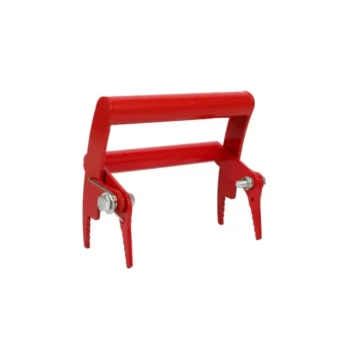
- Heavy-Duty Plier Action Frame Grip
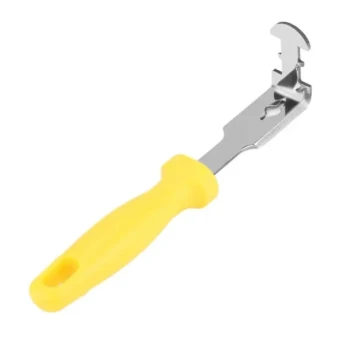
- Heavy Duty Stainless Steel Frame Cleaner with Plastic Handle
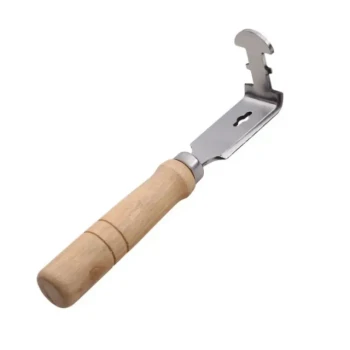
- Professional Stainless Steel Frame Cleaner with Ergonomic Wood Handle
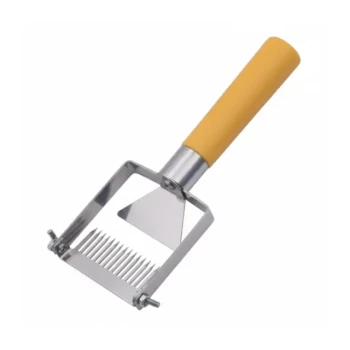
- Professional Honey Uncapping Roller for Efficient Harvesting
People Also Ask
- Why is a specific wooden frame required when installing a propolis screen? Optimize Your Propolis Harvest Efficiency
- What are the advantages of using propolis collector screens? Elevate Your Harvest to Pharmaceutical Purity
- How do propolis collection screens work? Discover material specs for commercial harvesting equipment
- How does the mesh size of a propolis collection screen influence the efficiency of propolis harvesting? Optimize Yields!
- How do commercial-grade plastic screens compare to custom fine-mesh screens? Maximize Your Propolis Yield & ROI