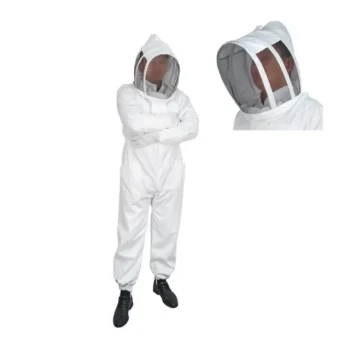
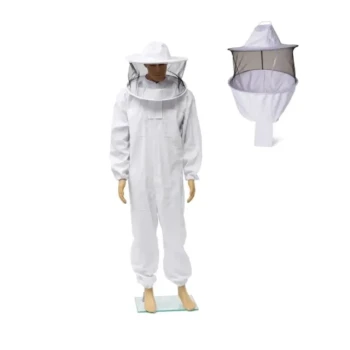
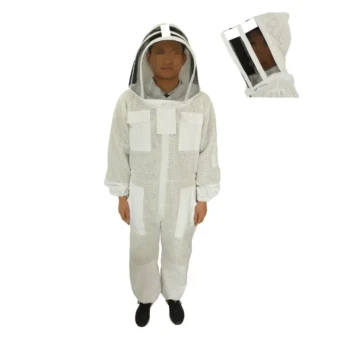
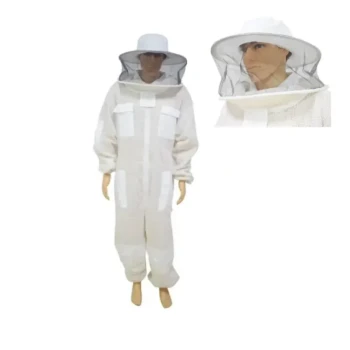
Professional protective suits and bee smokers form the foundation of efficient apiary workflows. These tools function as the primary interface between the technician and the colony, enabling safe interaction. By physically protecting the beekeeper and physiologically calming the bees, they drastically reduce labor intensity and minimize the time required to service each hive.
The Core Efficiency Principle The bee smoker is not merely a safety device; it is a mechanism for biological control. By using cool smoke to mask alarm pheromones and trigger feeding instincts, beekeepers can neutralize defensive behaviors, transforming high-risk maintenance into routine, predictable management.
The Mechanics of Colony Control
Disrupting Defensive Communication
The primary function of the bee smoker is the emission of cool smoke. This smoke serves a critical biological purpose: it masks the alarm pheromones that guard bees release when threatened.
Without this intervention, a single alarm signal can trigger a chain reaction of aggression throughout the colony. The smoker effectively jams this signal, keeping the colony in a neutral state.
Triggering the Survival Instinct
Beyond masking pheromones, the introduction of smoke triggers a natural survival instinct. This often causes bees to consume honey, a physiological response that renders them more docile.
This change in behavior is essential for maintaining a calm environment. It shifts the colony's focus from defense to resource preservation, allowing the beekeeper to work without fighting the hive.
Reducing Labor Intensity
Efficiency in beekeeping is measured by the speed and safety of hive servicing. By suppressing aggression, these tools significantly reduce the labor intensity involved in daily operations.
Technicians spend less time managing defensive outbursts and more time on the task at hand. This reduction in friction allows for the servicing of more hives in a single session.
Enabling Complex Technical Operations
Facilitating Critical Inspections
Routine health checks are impossible if the colony is fully defensive. Professional suits and smokers create the safety margin required to perform deep hive inspections.
This allows technicians to identify issues such as disease or queen failure early, without the risk of sustaining high numbers of stings.
Advanced Colony Manipulation
Complex procedures, such as colony splitting or artificial swarming, require extended periods of open-hive time. These operations are delicate and require precision.
The controlled environment created by the smoker ensures these tasks can be completed accurately. Without this control, the risk to both the queen and the technician would make such operations inefficient or dangerous.
Urban Apiary Management
In densely populated urban areas, efficiency is linked to risk management. The use of a smoker is a critical process to suppress aggression, ensuring the safety of the surrounding public.
This capability allows professional beekeeping to exist in city environments where swarms or defensive clouds of bees cannot be tolerated.
Understanding the Trade-offs
The Importance of "Cool" Smoke
The effectiveness of the smoker relies entirely on the temperature of the smoke. The smoke must be cool to properly mask pheromones without harming the bees.
Using hot smoke is a common operational failure. It can singe the bees' wings or bodies, triggering a panic response rather than calmness, which ultimately destroys efficiency and endangers the colony.
Dependency on Standardized Process
These tools are only efficient when used within a standardized workflow. Simply wearing a suit or lighting a smoker is insufficient; the smoke must be applied at specific intervals to maintain the masking effect.
Failure to re-apply smoke during a long inspection allows alarm pheromones to re-emerge, leading to a sudden loss of control mid-operation.
Making the Right Choice for Your Goal
- If your primary focus is Speed and Volume: Utilize the smoker to preemptively mask pheromones, allowing you to minimize the time spent per hive during routine checks.
- If your primary focus is Complex Husbandry: Rely on professional protective gear to provide the confidence needed for delicate tasks like grafting or splitting, where dexterity and calm are required.
- If your primary focus is Urban Safety: Treat the smoker as a mandatory public safety tool to prevent defensive perimeters from expanding beyond the immediate hive area.
Mastering the interaction between protective gear and pheromone control is the single most effective way to scale beekeeping operations safely.
Summary Table:
| Tool Component | Primary Function | Impact on Efficiency |
|---|---|---|
| Bee Smoker | Masks alarm pheromones & triggers feeding | Reduces colony aggression; enables faster hive servicing |
| Protective Suit | Provides a physical safety barrier | Increases technician confidence; allows for complex technical tasks |
| Cool Smoke | Physiological calming without harm | Prevents panic responses; ensures long-term colony health |
| Standardized Use | Consistent application during work | Maintains control throughout the entire inspection process |
Scale Your Apiary Operations with HONESTBEE
Maximize your productivity and ensure the safety of your team with professional-grade equipment from HONESTBEE. As a dedicated partner to commercial apiaries and global distributors, we provide more than just tools—we provide the foundation for efficient colony management.
Our comprehensive wholesale portfolio includes:
- Advanced Hardware: Hive-making machinery and precision honey-filling systems.
- Essential Tools: High-performance bee smokers and heavy-duty protective suits.
- Industry Consumables: A wide array of supplies for day-to-day operations.
- Retail-Ready Goods: Honey-themed cultural merchandise for your brand.
Whether you are managing thousands of colonies or supplying the next generation of beekeepers, HONESTBEE delivers the quality and scale you need. Contact us today to discuss your wholesale requirements and see how our expertise can streamline your business.
References
- Kedir Adem. Assessment of Beekeeping Practice and Its Constraints in Cheha Woreda of Gurage Zone. DOI: 10.11648/j.ijast.20240803.12
This article is also based on technical information from HonestBee Knowledge Base .
Related Products
- Stainless Steel Honey Bee Smoker Hive and Honeycomb Smoker for Beekeeping
- White Cotton Beekeeping Jacket and Veil for Bee Keepers
- Professional Bee Smoker with Elongated Spout and Durable Bellows for Beekeeping
- Premium Cotton Beekeeper Suit with Reinforced Fencing Veil
- Miniature Stainless Steel Bee Smoker for Beekeeping
People Also Ask
- What are bee smokers made out of? Choose the Right Material for Your Apiary
- What type of bee smoker is recommended for a beginner? Top Picks for Easy Hive Management
- Why is a stainless steel bee smoker considered indispensable? Master Hive Management with Cool Smoke Technology
- How do bee smokers and colored light sources work together to assist in night-time honey harvesting? Expert Strategies
- What is the best material for a bee smoker? Choose the Right Fuel for a Calm Hive