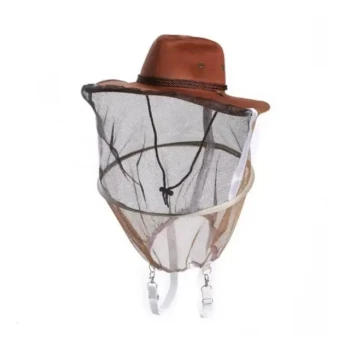
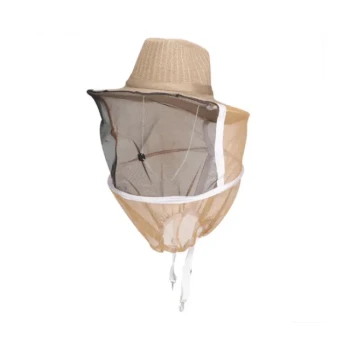
Professional beekeeping tools and protective equipment act as critical enablers for monitoring swarming tendencies by removing the physical and psychological barriers to frequent hive intrusion. They allow technicians to perform deep inspections on a strict schedule—typically every nine days—to identify and record the specific developmental stages of queen cells located on the edges of combs. This equipment ensures the continuity of operations, providing the physical safety required to gather accurate data on honeybee reproductive behavior.
The ability to accurately predict swarming relies heavily on the operator's safety and comfort; without professional protection, the consistent, deep-dive inspections required to track reproductive behavior become hazardous and unsustainable.
The Role of Protection in Data Continuity
Enabling High-Frequency Inspections
To effectively monitor swarming tendencies, technicians must adhere to a rigorous inspection schedule, often requiring hive checks every nine days.
This frequency is dictated by the biological development rate of queen cells. Professional protective gear allows operators to maintain this schedule regardless of external variables.
By ensuring safety, this equipment encourages more frequent and thorough inspections, preventing the gaps in observation that often lead to missed swarming events.
Mitigating Environmental and Colony Factors
Field technicians must perform high-intensity maintenance tasks under various and changing weather conditions.
Professional gear creates a consistent operational environment for the beekeeper. This ensures that inspections can proceed even when colony temperament is aggressive or weather conditions are less than ideal.
This reliability is vital for ensuring that honeybees can be monitored continuously, protecting the colony's ability to provide pollination services.
Hardware for Precision Monitoring
Accessing the Deep Hive
Swarm cells are frequently built on the edges of combs, requiring the removal and manipulation of frames to be seen.
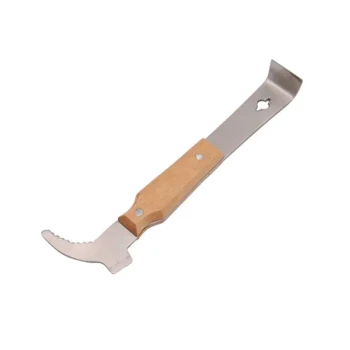
Specialized hive tools are essential for prying covers and separating frames that have been cemented with propolis.
These tools allow for deep-intrusive inspections of the hive interior, giving researchers access to the specific areas where reproductive data is hidden.
Managing Colony Temperament
A standard bee smoker is a fundamental tool for calming bees during these invasive procedures.
By obscuring alarm pheromones, the smoker allows the operator to inspect frames slowly and carefully without inciting a defensive response.
This calmness is critical when counting queen cells and assessing their developmental stages, as rushed inspections often lead to inaccurate data.
Understanding the Trade-offs
The Balance of Intrusion
While professional tools enable deep inspections, frequent intrusion can disrupt the colony's internal climate and stress the bees.
Technicians must balance the need for data with the biological cost of opening the hive.
Over-inspection can hinder productivity, even if it provides excellent data on swarming tendencies.
Equipment Limitations
Protective gear provides safety, but it can also limit manual dexterity and tactile feedback.
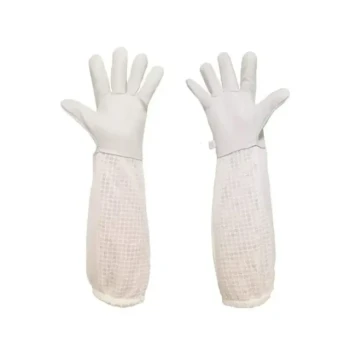
Thick gloves, while protective, may make it difficult to handle delicate frames without crushing bees or damaging queen cells.
Selecting gear with the correct fit is vital to maintain the freedom of movement necessary for precise hive manipulation.
Making the Right Choice for Your Goal
To select the appropriate equipment strategy, you must define the intensity of your operation.
- If your primary focus is rigorous scientific data collection: Prioritize full-body suits and heavy-duty hive tools to ensure you can adhere to a strict 9-day inspection cycle regardless of colony aggression.
- If your primary focus is rapid commercial assessment: Utilize lighter jackets and efficient smokers to balance speed with sufficient protection for brief, frequent hive assessments.
- If your primary focus is minimal disturbance: Focus on learning to use the hive tool and smoker effectively to minimize the time the hive remains open during checks.
Professional equipment ultimately transforms beekeeping from a reactive struggle into a proactive, data-driven science.
Summary Table:
| Tool Category | Primary Function for Swarm Monitoring | Impact on Hive Inspection |
|---|---|---|
| Protective Gear | Ensures safety during 9-day inspection cycles | Allows deep hive access regardless of colony aggression |
| Hive Tools | Prying covers & separating propolis-bound frames | Facilitates access to queen cells on comb edges |
| Bee Smokers | Masking alarm pheromones | Calms colony for accurate data collection & cell counting |
| Specialized Machinery | High-efficiency maintenance & management | Scales monitoring operations for large-scale apiaries |
Maximize Your Apiary Productivity with HONESTBEE
At HONESTBEE, we understand that for commercial apiaries and distributors, precision is the difference between growth and loss. We provide a comprehensive wholesale range of professional beekeeping tools, hive-making machinery, and honey-filling equipment designed to withstand the rigors of frequent swarm monitoring.
Our Value to You:
- Commercial-Grade Durability: High-performance hardware that ensures your technicians can maintain strict inspection schedules.
- End-to-End Solutions: From specialized protective suits to honey-themed cultural merchandise and essential consumables.
- Scalable Wholesale Supply: Supporting your growth with reliable logistics and a full spectrum of industry equipment.
Ready to elevate your beekeeping operations with professional-grade gear? Contact HONESTBEE Today to discuss our wholesale offerings and how we can support your business.
References
- Wubalem Alebachew, Amssalu Bezabh. EVALUATION OF PRODUCTIVE AND REPRODUCTIVE PERFORMANCE OF HONEYBEE COLONIES (Apis mellifera monticolla) IN SOUTH WOLLO, AMHARA, ETHIOPIA. DOI: 10.47278/journal.abr/2024.011
This article is also based on technical information from HonestBee Knowledge Base .
Related Products
- Premium Cowboy Beekeeper Hat with Visibility Veil Outdoor Professional Beekeeping Protective Gear
- Professional Square Folding Wire Mesh Beekeeping Veil
- HONESTBEE Professional Mini J-Hook Hive Tool for Beekeeping
- Beekeeper Cowboy Hat and Veil for Beekeeping
- Premium Cotton Beekeeper Suit with Reinforced Fencing Veil
People Also Ask
- What design features contribute to the stability and fit of the beekeeper hat? Key Features for Maximum Hive Safety
- How is the beekeeper hat designed for comfort and practicality? Explore Key Features for Enhanced Apiary Safety
- What is the general protective gear recommendation for new beekeepers? Your Essential Beginner's Safety Guide
- How does beekeeping protective gear facilitate the queen bee selection process? Enhancing Precision in Queen Breeding
- What should beekeepers consider when choosing protective gear? A Guide for Maximum Safety & Comfort