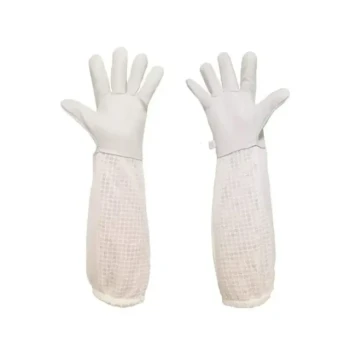
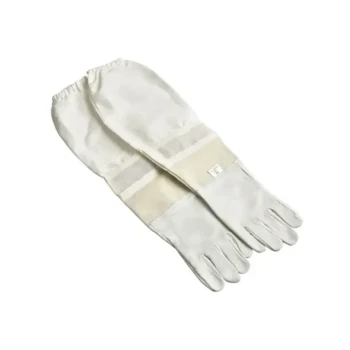
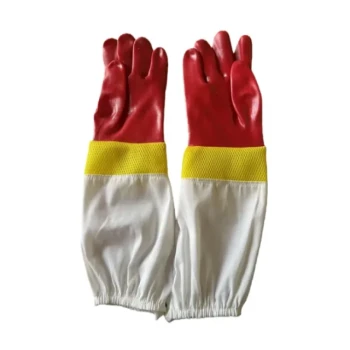
The combination of professional protective equipment and medical-grade disposable gloves functions as a dual-layer system that secures both the researcher’s safety and the chemical purity of the sample. While standard protective gear safeguards the operator, medical-grade gloves specifically extend strict laboratory hygiene standards into the field, effectively isolating samples from human skin contaminants to ensure accurate data collection.
Core Takeaway The validity of field research, particularly regarding food source plant classification, relies on eliminating external biological variables. Medical-grade gloves prevent contamination from microorganisms and plant debris on human skin, ensuring that the scientific rigor typically reserved for the lab is maintained in the apiary.
Preserving Scientific Rigor in the Field
The primary challenge in field sampling is maintaining the integrity of the specimen outside of a controlled environment.
Extending Laboratory Standards
Field environments are inherently unpredictable and "dirty" compared to sterile laboratories.
By utilizing medical-grade disposable gloves, researchers bridge this gap. This practice imposes a physical barrier that prevents the transfer of contaminants from the operator to the sample.
Eliminating Biological Interference
Human skin carries a microbiome and microscopic debris that can skew sensitive analyses.
According to your primary reference, gloves isolate potential contamination from microorganisms or plant debris naturally present on human hands.
This isolation is critical for specific research goals, such as food source plant classification, where foreign DNA or biological matter would invalidate the results.
The Human Factor in Data Quality
Beyond hygiene, the equipment worn by the operator directly influences how samples are collected and the quality of the interaction with the colony.
Managing Anxiety and Precision
Data collection requires steady hands and focused attention.
Without professional protective suits, operator anxiety regarding stings increases significantly.
Proper protective gear reduces this anxiety, enabling precise and calm handling of the bees. This psychological stability ensures that sampling protocols are followed strictly without rushing.
Minimizing Colony Stress
The behavior of the researcher dictates the reaction of the colony.
Calm handling, facilitated by the confidence protective gear provides, minimizes colony stress.
Lower stress levels in the hive prevent aggressive defensive behaviors that could otherwise disrupt the sampling process or damage the specimens being collected.
Common Pitfalls and Trade-offs
While modern equipment improves data quality, the absence or misuse of this equipment creates significant risks to the research ecosystem.
The Cost of Inadequate Access
Without proper hardware, such as ladders and protective suits, researchers often resort to unsustainable shortcuts.
Inadequate equipment can lead to practices like cutting tree branches or using fire to subdue bees.
Ecological Stability vs. Destructive Sampling
Destructive methods undermine the long-term productivity of the bee ecosystem.
If the immediate environment is altered (e.g., habitat destruction) to get a sample, future experimental results from that site will be skewed by the environmental degradation.
Making the Right Choice for Your Goal
To ensure your apiary studies yield valid, publishable results, you must match your equipment protocols to your specific research objectives.
- If your primary focus is genetic or taxonomic analysis: Prioritize medical-grade disposable gloves to prevent human microbiome or plant debris from contaminating food source classification data.
- If your primary focus is behavioral study or colony management: Invest in high-quality protective suits and ladders to reduce operator anxiety and minimize colony stress, ensuring natural behavior is observed.
- If your primary focus is long-term ecological monitoring: Ensure access equipment (like ladders) is available to avoid destructive sampling techniques that alter the physical environment and invalidate longitudinal data.
Ultimately, the quality of your experimental data is directly proportional to your ability to isolate the sample from human contamination and preserve the stability of the hive environment.
Summary Table:
| Equipment Type | Primary Function in Research | Impact on Experimental Results |
|---|---|---|
| Medical-Grade Gloves | Biological Isolation | Prevents cross-contamination of DNA/microorganisms; ensures accurate taxonomic classification. |
| Professional Suits | Psychological Stability | Reduces operator anxiety, allowing for precise handling and strict protocol adherence. |
| Access Gear (Ladders) | Habitat Preservation | Prevents destructive sampling (e.g., branch cutting), maintaining the ecological integrity of the site. |
| Protective Barrier | Stress Management | Minimizes colony aggression, ensuring observed behaviors and samples are representative of natural states. |
Elevate Your Apiary’s Scientific Potential with HONESTBEE
Precision in the field leads to excellence in production. As a leading partner for commercial apiaries and distributors, HONESTBEE provides the professional-grade infrastructure necessary to maintain scientific rigor and operational efficiency.
Whether you are scaling your operations with our specialized hive-making and honey-filling machinery or outfitting your team with high-performance beekeeping tools and consumables, we deliver the hardware that secures your results. Our comprehensive wholesale portfolio is designed to help you minimize colony stress and maximize purity across your entire apiary network.
Ready to upgrade your apiary equipment? Contact HONESTBEE Today for Custom Wholesale Solutions
References
- Mary Chege, Beatrice T Nganso. Seasonal and Landscape‐Driven Variations in Forage Resources of <scp><i>Apis mellifera scutellata</i></scp>: Implications for Pollination Sustainability and Colony Health in Taita Taveta County, Kenya. DOI: 10.1002/ece3.71613
This article is also based on technical information from HonestBee Knowledge Base .
Related Products
- Goat Skin Leather Bee Sting Proof Beekeeping Gloves with Canvas Sleeve
- Beekeeping Gloves Goatskin Leather with Long Cotton Sleeve for Beekeepers
- Premium Ventilated Goatskin Beekeeping Gloves with Full 3-Layer Mesh Sleeve
- Goatskin Leather Beekeeper Gloves with Vent Long Sleeve for Beekeeping Honey Bee Sting Proof Protection
- Heavy Duty Red Rubber Beekeeping Gloves with Vented Mesh Cotton Sleeves
People Also Ask
- What is the process for cleaning goat leather beekeeping gloves? Expert Guide to Maintaining Dexterity and Durability
- What are the steps to clean goat leather beekeeping gloves? A Guide to Extend Gear Life
- What are the characteristics of goatskin beekeeping gloves? Enhance Dexterity and Protection in Your Apiary
- What are the advantages of goatskin leather gloves for beekeeping? Superior Sting Protection for Your Apiary
- When might a beekeeper decide to work without gloves? Master Hive Finesse and Dexterity