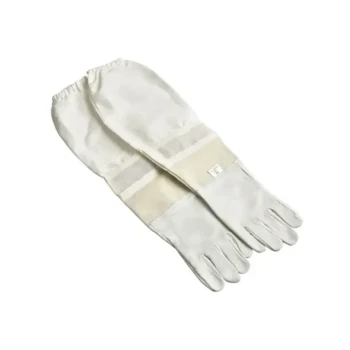
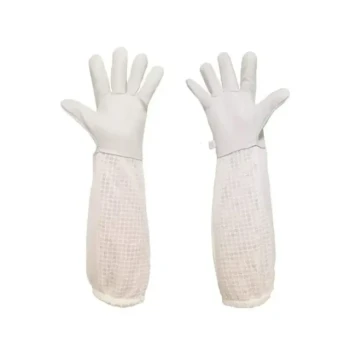
Goat leather requires a specific balance of gentle abrasion and thorough hydration to maintain its superior dexterity. To clean these gloves effectively, you must first dry-brush away loose debris, then wash them using mild soap and warm water—ideally while wearing them to maintain shape—before air drying and immediately conditioning the material.
Core Takeaway Goat leather is prized for its flexibility and absorption, but this makes it susceptible to drying out during cleaning. You must remove sticky propolis and wax using mild agents, rinse aggressively to remove soap residue, and always replenish the leather's natural oils with a conditioner to prevent cracking.
The Step-by-Step Cleaning Process
Pre-Cleaning Preparation
Before introducing water, you must mechanically remove as much debris as possible. Use a soft brush to sweep away loose dirt, wax, and bee parts.
Pay special attention to the seams and creases where debris accumulates. Wetting dirt before brushing it off often turns it into mud, driving it deeper into the leather pores.
The Washing Technique
Prepare a solution of warm water and mild soap or a specialized leather cleaner. Avoid harsh detergents, as they strip the leather of necessary natural oils.
For the best results, put the gloves on your hands while washing them. This provides resistance, allowing you to scrub surface stains effectively while ensuring the leather retains its shape.
Tackling Stubborn Residue
If you encounter tough stains, the primary recommendation is to create a paste using baking soda and water. Always test this paste on a hidden area first to ensure it does not discolor the leather.
For sticky substances like propolis (bee glue), a small amount of white vinegar is effective due to its cleaning and antibacterial properties. Apply these treatments specifically to the stained areas rather than soaking the entire glove.
Rinsing and Drying
Once scrubbed, rinse the gloves thoroughly under running cold or lukewarm water. It is critical to remove every trace of soap, as dried soap residue is a primary cause of leather cracking.
Pat the gloves dry with a towel to remove excess moisture. Hang them to air dry in the shade; goat leather typically dries faster than cow leather, but patience is still required.
Restoring Suppleness
Goat leather is highly absorbent, which is an advantage during the conditioning phase. Once the gloves are dry, apply a high-quality leather conditioner.
Rub the conditioner in well. Because goat leather absorbs it easily, this step restores the flexibility and softness lost during the washing process, protecting your investment.
Common Pitfalls to Avoid
The Machine Wash Risk
Never place leather beekeeping gloves in a washing machine or dryer. The aggressive agitation of a machine can ruin the stitching, and the high heat of a dryer will shrink and stiffen the leather instantly.
The Danger of Soap Residue
Do not underestimate the rinsing phase. If mild soap is left in the porous goat leather, it acts as a desiccant. Over time, this causes the material to become brittle and uncomfortable, significantly shortening the lifespan of the gloves.
Over-Aggressive Scrubbing
While you need to remove propolis, avoid using abrasive steel wool or stiff wire brushes. These can scar the leather surface, compromising the protective barrier that keeps stings out.
Making the Right Choice for Your Goal
Goat leather gloves are a balance between sensitivity and durability. Your maintenance schedule should reflect your specific needs.
- If your primary focus is Hygiene: Prioritize using white vinegar on propolis buildup to utilize its antibacterial properties and prevent pathogen transfer between hives.
- If your primary focus is Longevity: Ensure you condition the gloves after every single wash to replenish the oils and maintain the high dexterity that goat leather is known for.
Treat your gloves as a precision tool; keep them clean and supple, and they will keep you safe.
Summary Table:
| Step | Action | Key Tool/Material |
|---|---|---|
| 1. Prep | Dry-brush loose debris & wax | Soft-bristled brush |
| 2. Wash | Scrub while wearing the gloves | Mild soap & warm water |
| 3. Spot Clean | Treat propolis or tough stains | White vinegar or baking soda |
| 4. Rinse | Remove all soap residue | Cold/lukewarm water |
| 5. Dry | Air dry away from direct heat | Towel & shaded area |
| 6. Condition | Restore oils and suppleness | High-quality leather conditioner |
Maximize Your Apiary Productivity with Premium Gear
At HONESTBEE, we understand that high-quality tools are the backbone of a successful beekeeping operation. Whether you are a commercial apiary or a global distributor, we provide a comprehensive wholesale range of professional-grade equipment—from specialized goat leather gloves that offer superior dexterity to advanced honey-filling machines and hive-making hardware.
Partner with HONESTBEE today to access:
- Wholesale beekeeping tools and machinery designed for durability.
- A full spectrum of essential industry consumables.
- Unique honey-themed cultural merchandise to expand your retail portfolio.
Ready to elevate your beekeeping standards? Contact our expert team today to discuss your wholesale needs and discover how our solutions can grow your business!
Related Products
- Goat Skin Leather Bee Sting Proof Beekeeping Gloves with Canvas Sleeve
- Goatskin Leather Beekeeper Gloves with Vent Long Sleeve for Beekeeping Honey Bee Sting Proof Protection
- Beekeeping Gloves Goatskin Leather with Long Cotton Sleeve for Beekeepers
- Premium Ventilated Goatskin Beekeeping Gloves with Full 3-Layer Mesh Sleeve
- Heavy Duty Red Rubber Beekeeping Gloves with Extended Pure Cotton Sleeves for Beekeepers
People Also Ask
- What are the steps to clean goat leather beekeeping gloves? A Guide to Extend Gear Life
- What are the characteristics of goatskin beekeeping gloves? Enhance Dexterity and Protection in Your Apiary
- What are the advantages of goatskin leather gloves for beekeeping? Superior Sting Protection for Your Apiary
- When might a beekeeper decide to work without gloves? Master Hive Finesse and Dexterity
- Why is cleaning beekeeping gloves necessary? Vital Steps for Apiary Biosecurity and Hive Management