A beekeeper typically decides to work without gloves after gaining significant experience and developing a high level of confidence in the hive. While beginners rely on gloves for protection and to manage nervousness, seasoned apiarists often choose to discard them to prioritize manual dexterity and personal comfort over absolute safety from stings.
The decision to work bare-handed is a transition from protection to precision. It allows for superior handling finesse and gentler interactions with the colony, though it requires accepting the increased exposure to stings and sticky hive substances.
The Role of Experience and Comfort
Building Confidence
The transition away from gloves is almost exclusively a milestone for experienced beekeepers. Beginners are strongly advised to wear gloves during every inspection to reduce anxiety and ensure they can focus on learning without fear.
Personal Preference
There is no strict rule requiring the removal of gloves; it is fundamentally a matter of personal comfort. Some experts work entirely without protection, while others find a middle ground, wearing a veil or full suit but leaving their hands bare.
The Technical Advantages of Bare Hands
Enhanced Dexterity
Thick leather or rubber gloves can severely inhibit fine motor skills. Working with bare hands restores full dexterity, allowing for more precise movements when lifting heavy frames or using hive tools.
Tactile Feedback
Gloves numb the "touch and finesse" required for delicate hive operations. Bare hands provide immediate tactile feedback, alerting the beekeeper if they are squeezing a frame too hard or are about to crush a bee.
Gentler Handling and Colony Reaction
Because the beekeeper can feel exactly what they are doing, they are less likely to injure bees during inspections. Furthermore, many beekeepers observe that bees tend to react more calmly to bare skin than to the texture and smell of gloved hands.
Understanding the Trade-offs
Loss of Protection
The most obvious downside is the loss of a physical barrier. Beekeepers who forgo gloves accept that their hands—which are moving targets for bees—are vulnerable to stings, though they typically consider hand stings less concerning than stings to the head.
Exposure to Propolis
Gloves shield the skin from sticky substances, particularly propolis (bee glue). Working bare-handed means dealing with stained, sticky fingers that can be difficult to clean after an inspection.
The Mental Barrier
For some, the "peace of mind" provided by gloves is their most valuable feature. Even if a beekeeper has the skill to work without them, the psychological comfort of wearing gloves may allow them to focus better on the task at hand.
Making the Right Choice for Your Goal
Whether you should wear gloves depends entirely on your experience level and what you prioritize during an inspection.
- If your primary focus is learning and safety: Stick to wearing gloves to maintain confidence and minimize nervousness while you master the basics.
- If your primary focus is precision and finesse: Consider working bare-handed to improve your dexterity and reduce the likelihood of accidentally injuring bees.
Ultimately, the best choice is the one that allows you to work the hive calmly, safely, and effectively.
Summary Table:
| Feature | Working With Gloves | Working Without Gloves |
|---|---|---|
| Protection | High; prevents stings and propolis stains | Low; hands are vulnerable to stings |
| Dexterity | Limited; inhibited by thick material | Maximum; full range of motion |
| Tactile Feedback | Poor; difficult to feel bee movement | High; immediate awareness of pressure |
| Bee Safety | Higher risk of accidental crushing | Gentler handling; fewer bee fatalities |
| Target User | Beginners and nervous keepers | Experienced and confident apiarists |
Elevate Your Apiary Operations with HONESTBEE
Whether you prefer the precision of bare-handed work or the security of professional-grade protection, HONESTBEE provides the tools you need to succeed. As a leading partner for commercial apiaries and distributors, we offer a comprehensive wholesale range, including:
- Protective Gear: Premium gloves and ventilated suits for maximum safety.
- Precision Machinery: Advanced honey-filling and hive-making machines to scale your production.
- Essential Consumables: A full spectrum of beekeeping tools and hive hardware.
- Cultural Merchandise: Unique honey-themed products to expand your brand's reach.
Ready to optimize your beekeeping business with high-quality equipment and expert support? Contact HONESTBEE today to explore our wholesale opportunities and see how our global supply chain can benefit your operation.
Related Products
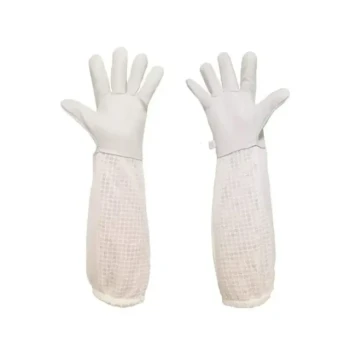
- Beekeeping Gloves Goatskin Leather with Long Cotton Sleeve for Beekeepers
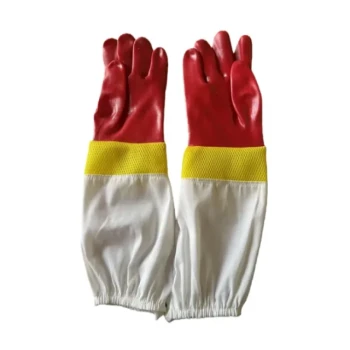
- Heavy Duty Red Rubber Beekeeping Gloves with Vented Mesh Cotton Sleeves
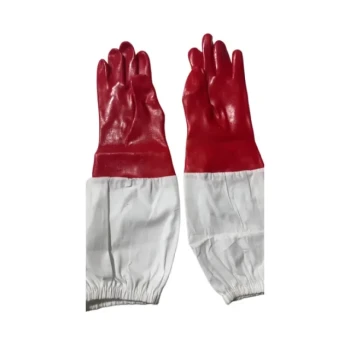
- Heavy Duty Red Rubber Beekeeping Gloves with Extended Pure Cotton Sleeves for Beekeepers
- Goatskin Leather Beekeeper Gloves with Vent Long Sleeve for Beekeeping Honey Bee Sting Proof Protection
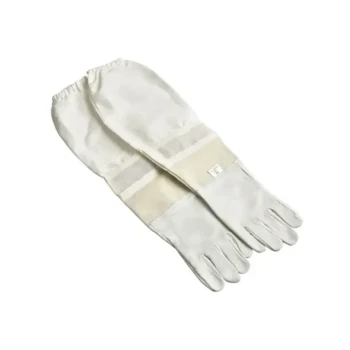
- Premium Ventilated Goatskin Beekeeping Gloves with Full 3-Layer Mesh Sleeve
People Also Ask
- What are the characteristics of the best gloves for beekeeping? Choose Protection & Dexterity
- What are the primary purposes of using beekeeping gloves? Protect Your Hands and Ensure Apiary Hygiene
- What types of gloves are available for beekeeping? Choose the Right Protection for Your Hive
- Why is it important for beekeepers to wear gloves? Essential Safety and Confidence for Hive Management
- Why do some experienced beekeepers opt not to wear gloves? Discover the Benefits of Tactile Precision