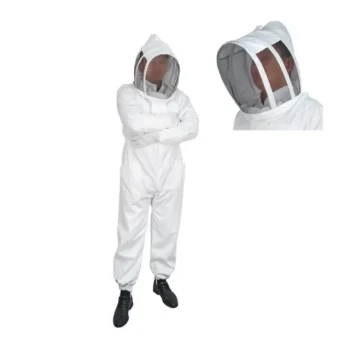
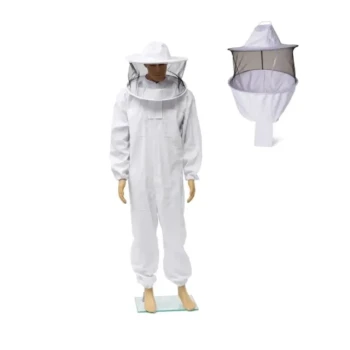
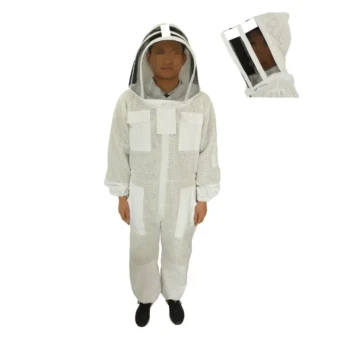
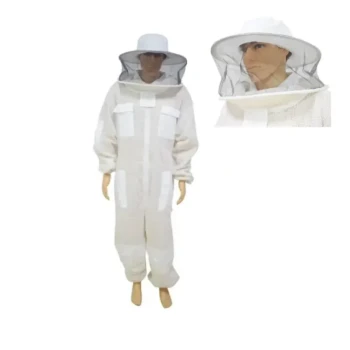
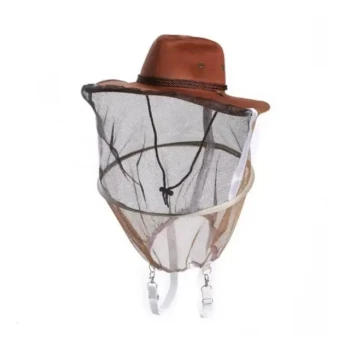
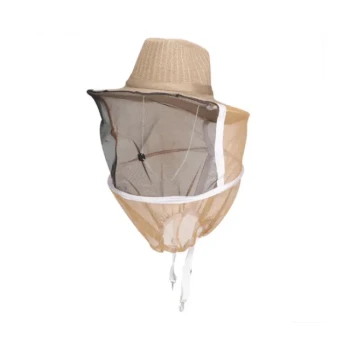
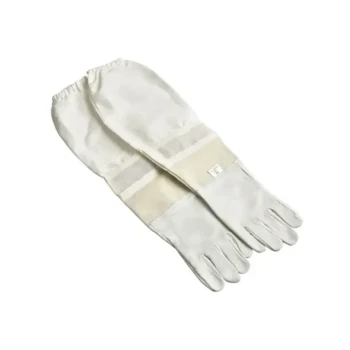
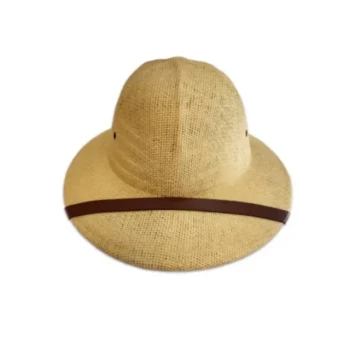
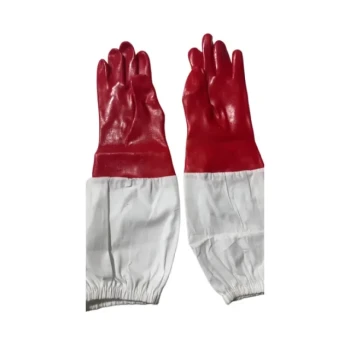
Professional protective suits and simulation equipment are vital for removing physical risk and psychological barriers in inclusive beekeeping education. High-quality suits create an impenetrable safety barrier that eliminates the fear of stings, a critical factor for beginners or individuals with sensory differences. Concurrently, simulation tools allow students to practice repetitive tasks to establish muscle memory and procedural confidence before they ever interact with a live colony.
Core Takeaway: In inclusive education and rehabilitation, the primary barrier to learning is often anxiety rather than lack of ability. By guaranteeing physical safety through professional gear and enabling risk-free repetition via simulation, you create an environment where cognitive focus shifts from fear to skill acquisition.
The Role of Professional Protective Gear
Eliminating the Fear Factor
For students in inclusive programs, particularly those with sensory differences or anxiety, the threat of a sting can paralyze the learning process.
Professional-grade protective clothing provides a comprehensive barrier. This assurance allows the student to focus entirely on the educational content rather than the potential for pain or injury.
Facilitating Operational Calm
When a student feels secure, their physiological stress response decreases.
This reduction in operator anxiety enables precise and calm operational logic. By remaining calm, the student avoids erratic movements that would otherwise agitate the bees, creating a safer feedback loop between the human and the hive.
Enabling Extended Focus
High-protection suits allow for extended periods of close work with colonies.
This permits detailed hive inspections without the urgency to retreat. Students can take the time to observe colony behavior and execute tasks thoroughly, avoiding the destructive methods often caused by rushing.
The Strategic Value of Simulation
Building Muscle Memory
Beekeeping requires specific, fine motor skills to manipulate frames without crushing bees.
Simulation equipment allows for the repetition of these physical tasks. Students can practice the mechanics of lifting, inspecting, and replacing frames until the movements become second nature, independent of the variable environment of a live hive.
Developing Procedural Confidence
Before managing a live biological system, students must understand the sequence of operations.
Simulators provide a risk-free environment to master the workflow of colony management. This ensures that when the student eventually faces live bees, they rely on established procedural confidence rather than guessing, significantly reducing the likelihood of human error.
Understanding the Trade-offs
The Risk of Over-Reliance
While high-protection suits are essential for confidence, they can reduce tactile feedback.
Thick gloves and heavy layers may obscure the delicate touch required to handle bees gently. It is important to teach students that while they are protected, they must still act with the gentleness required as if they were not.
The Simulation Gap
Simulation tools excel at teaching mechanics, but they cannot replicate the auditory and visual intensity of thousands of flying insects.
There is a risk that students may master the mechanics in a classroom but feel overwhelmed by the sensory input of a real apiary. Transitioning from simulation to reality requires a graduated approach to bridge this sensory gap.
Making the Right Choice for Your Program
To effectively integrate these tools into an inclusive curriculum, assess the specific hurdles your students face.
- If your primary focus is Anxiety Reduction: Prioritize high-protection, full-body suits to create a "zero-sting" environment that accommodates students with sensory sensitivities.
- If your primary focus is Skill Rehabilitation: Heavily utilize simulation equipment to build motor skills and muscle memory through repetition before introducing live insects.
The ultimate goal is to use these tools not just for safety, but to empower students to manage colonies with the precision and calm of a professional.
Summary Table:
| Training Tool | Key Function | Primary Benefit in Inclusive Education |
|---|---|---|
| Professional Protective Suits | Physical barrier against stings | Eliminates anxiety and sensory triggers for focused learning |
| Simulation Equipment | Risk-free mechanical practice | Builds muscle memory and procedural confidence before hive entry |
| Full-Body Gear | Comprehensive safety coverage | Reduces physiological stress and prevents erratic movements |
| Task Simulators | Repetitive skill building | Allows for skill rehabilitation and precision without biological risk |
Empower Your Apiary with Professional-Grade Solutions
At HONESTBEE, we understand that the right equipment is the foundation of confidence and success in beekeeping. Whether you are running a commercial apiary, managing a distribution network, or developing inclusive training programs, our comprehensive wholesale portfolio provides the tools you need to excel.
Our Value to You:
- Safety & Quality: From high-protection suits to professional hive-making and honey-filling machinery.
- End-to-End Supply: A full spectrum of beekeeping tools, industry consumables, and honey-themed cultural merchandise.
- Scalable Expertise: Tailored solutions for distributors and commercial operations looking to optimize efficiency and safety.
Ready to elevate your beekeeping standards with industry-leading hardware? Contact us today to explore our wholesale offerings!
References
- Renata Martinec, Jadranka Luketa-Marković. Contribution of inclusive beekeeping to the quality of life of persons with disabilities and elderly people. DOI: 10.31299/hrri.61.1.6
This article is also based on technical information from HonestBee Knowledge Base .
Related Products
- Premium Cotton Beekeeper Suit with Reinforced Fencing Veil
- White Cotton Beekeeping Jacket and Veil for Bee Keepers
- Professional Beekeeping Suit for Kids and Girls Childrens Bee Keeper Suit
- Beekeeping Jacket with Hood and Veil for Beekeepers
- Vented Beekeeping Jacket with Hood and Veil for Beekeepers
People Also Ask
- What material and design specifications are recommended for a high-quality beekeeper suit? Top Gear Selection Guide
- How to Pre-treat Propolis Stains on Beekeeping Suits? Master Advanced Fabric Care and Soil Removal
- What features should be considered for sting protection in a beekeeping suit? Ensure Total Safety and Comfort
- What are the differences between full suits and jackets with veils in beekeeping? Choose Your Best Protection
- What features should be looked for in a beekeeping suit for maximum comfort? Prioritize Ventilation and Fit