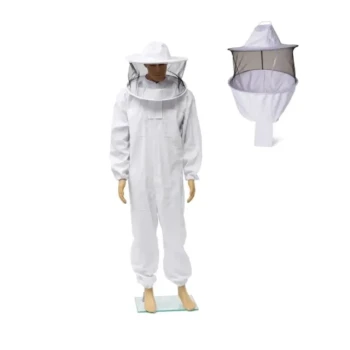
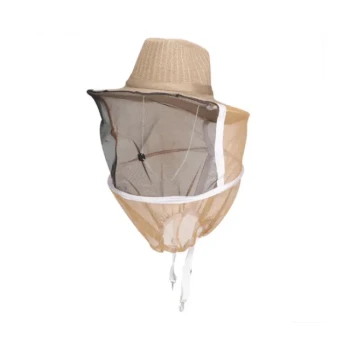
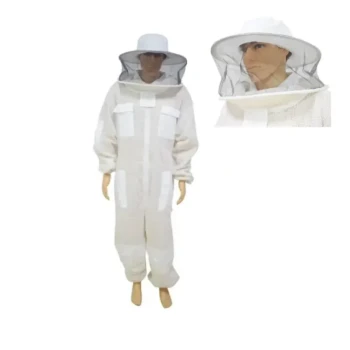
To ensure safety and minimize agitation within the hive, a beekeeper’s protective dress consists of four specific components: a bee veil made of black 12-mesh nylon netting, light-colored overalls (preferably white cotton), gloves made of tight-knit cloth or leather that cover the forearms, and high gum boots to protect the ankles and seal trouser legs.
Core Insight: Protective gear serves a dual purpose: physically shielding the beekeeper from stings and psychologically soothing the bees through the use of non-threatening, light-colored materials. While full coverage is essential for beginners, the fit must be loose to prevent overheating and allow the freedom of movement necessary for delicate hive inspections.
Head and Face Protection
The head and face are the most vulnerable areas for a beekeeper. Stings here are not only painful but potentially dangerous, making this the most critical layer of defense.
The Bee Veil
The primary barrier for the face is the bee veil. According to standard specifications, this should be constructed from black nylon netting screen (12-mesh).
Proper Fit and seal
The veil is designed to be worn over the face and must fit snugly around a hat and the shoulders. A loose seal at the bottom of the veil defeats the purpose, as bees naturally move upward and will exploit any gaps near the neck.
Body Coverage and Material Choice
The clothing worn on the torso and legs determines both the beekeeper's comfort and the colony's reaction to their presence.
Color Psychology
Overalls or coveralls should be made of light-colored materials, preferably white. Dark colors can be perceived by bees as threatening (resembling natural predators like bears), which may antagonize the colony. White cotton remains cool and neutral, keeping the bees calmer.
The Importance of a Loose Fit
Clothing should not be form-fitting. A loose fit is safer because it keeps the fabric suspended away from the skin, preventing a sting from reaching your body if a bee does land on the suit. Beekeepers often choose a size larger than their standard clothing to ensure this air gap and improve ventilation.
Extremity Protection: Hands and Feet
Bees often crawl when they land, seeking dark crevices or openings. Securing the extremities is vital to prevent bees from entering your clothing.
Protective Gloves
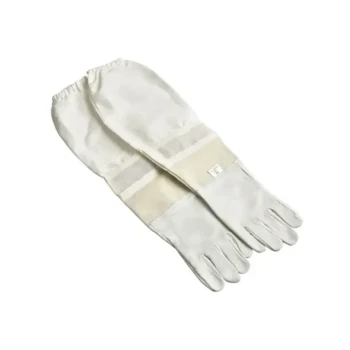
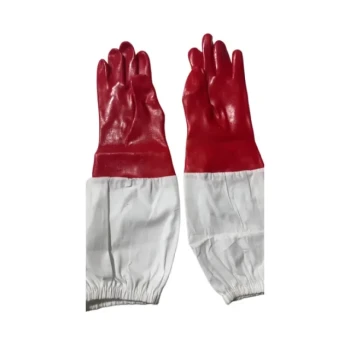
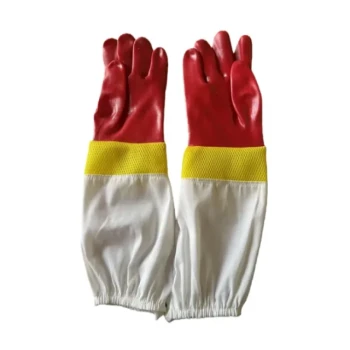
Gloves are essential for beginners to build confidence. They should be made of tightly-knit cloth or soft leather and must extend high enough to cover the forearms. This protects the hands during the manipulation of frames and creates a seal over the sleeves of the overalls.
High Boots
Footwear acts as the final seal for your protective gear. High gum boots are recommended to protect the ankles. Crucially, they prevent bees from crawling up under the legs of your trousers, a common occurrence if pant legs are left loose.
Understanding the Trade-offs
While protection is necessary, wearing full gear involves compromises that can affect your efficiency and comfort.
Protection vs. Dexterity
Thick leather gloves offer the highest protection against stings, but they significantly reduce tactile sensitivity. This lack of dexterity can lead to clumsy handling of frames or accidentally crushing bees, which releases alarm pheromones and agitates the hive further.
Heat vs. Safety
Full suits and heavy overalls provide maximum security but can be stifling in hot weather. A tight fit exacerbates this issue. If the gear is too hot or uncomfortable, a beekeeper may rush the inspection, leading to mistakes.
Over-protection vs. Experience
Many beginners start with a full body suit for peace of mind. However, as experience grows, many transition to a jacket and veil combination for better mobility, accepting slightly less protection for the legs in exchange for greater comfort.
Making the Right Choice for Your Goal
Selecting the right gear depends on your experience level, the aggressive nature of your specific colony, and the weather conditions.
- If your primary focus is maximum safety (Beginner): Opt for a full white cotton bee suit, leather gloves with gauntlets, and high boots to eliminate any fear of stings while you learn.
- If your primary focus is dexterity and precision: Transition to nitrile gloves or go bare-handed (once experienced), as this allows for gentler handling of the bees, which often results in fewer stings overall.
- If your primary focus is comfort in heat: Utilize a vented jacket with a veil and loose-fitting painter’s pants, ensuring you check zippers and folds carefully for stray bees after inspections.
The best protective dress is one that gives you the confidence to work calmly and deliberately, as your demeanor directly influences the temperament of the hive.
Summary Table:
| Protective Component | Material Specifications | Key Function |
|---|---|---|
| Bee Veil | Black 12-mesh nylon netting | Protects face/neck; black mesh ensures clear visibility |
| Overalls | Light-colored (White) cotton | Neutralizes bee aggression; provides full-body shield |
| Gloves | Tight-knit cloth or leather | Protects hands/forearms while handling frames |
| High Boots | Rubber/Gum boots | Prevents bees from crawling up trouser legs |
Elevate Your Apiary with HONESTBEE Professional Gear
Whether you are a commercial apiary or a distributor, HONESTBEE is your ultimate partner for high-quality beekeeping solutions. We provide a comprehensive wholesale range of protective apparel, specialized hive-making and honey-filling machinery, and essential consumables designed for durability and safety.
Why partner with us?
- Full Spectrum Supply: From professional-grade suits to cultural merchandise.
- Commercial Expertise: Tailored solutions for large-scale operations and retailers.
- Unmatched Value: High-performance equipment that ensures both beekeeper comfort and hive productivity.
Ready to scale your beekeeping business? Contact us today to explore our wholesale catalog and see how we can support your growth!
Related Products
- Premium Cotton Beekeeper Suit with Reinforced Fencing Veil
- Professional Beekeeper Suit with Square Folding Cotton Veil
- Professional Beekeeping Suit for Kids and Girls Childrens Bee Keeper Suit
- Professional Cotton Beekeeper Suit with Round Veil Design for Commercial Apiaries
- Beekeeping Jacket with Hood and Veil for Beekeepers
People Also Ask
- What material and design specifications are recommended for a high-quality beekeeper suit? Top Gear Selection Guide
- How to Pre-treat Propolis Stains on Beekeeping Suits? Master Advanced Fabric Care and Soil Removal
- What features should be considered for sting protection in a beekeeping suit? Ensure Total Safety and Comfort
- What are the differences between full suits and jackets with veils in beekeeping? Choose Your Best Protection
- What features should be looked for in a beekeeping suit for maximum comfort? Prioritize Ventilation and Fit