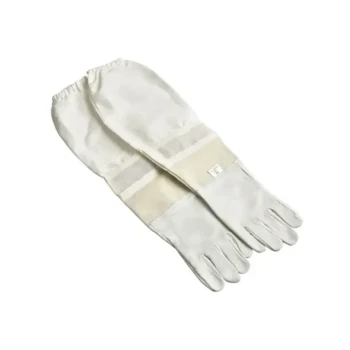
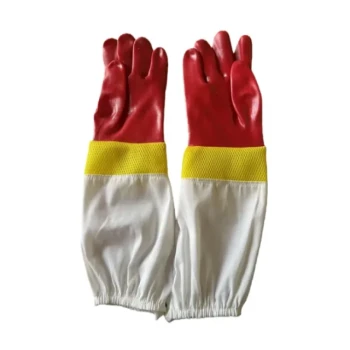
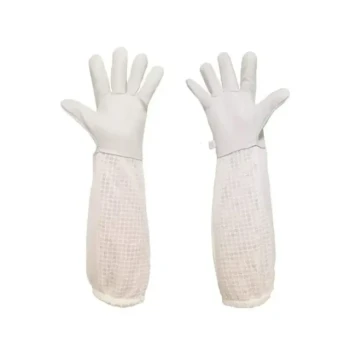
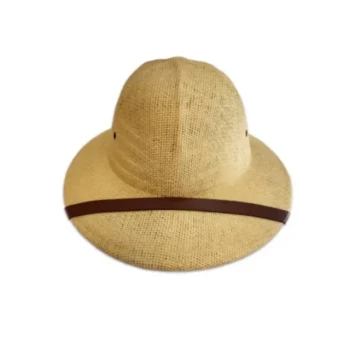
Effective hive inspections require a specific set of protective gear and operational tools to ensure safety and efficiency. You must equip yourself with a full bee suit, hat, veil, gloves, and boots, while simultaneously preparing a smoker, hive tool, bee brush, and recording materials.
The success of an inspection is often determined before you open the hive. Staging all necessary tools within reach prevents the agitation and risk that occurs when you have to search for missing items while the colony is exposed.
Essential Personal Protective Equipment (PPE)
To work with confidence, you must create a barrier between yourself and the colony.
The Foundation of Safety
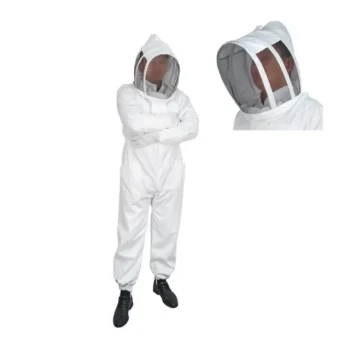
A bee suit is the primary layer of defense. It covers your body and clothing to prevent stings and keeps bees from becoming trapped against your skin.
Protecting Vulnerable Areas
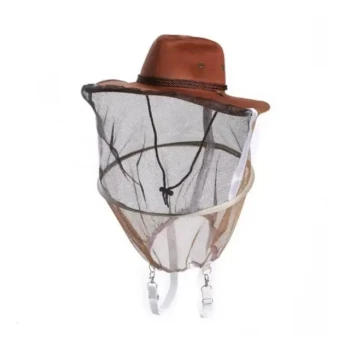
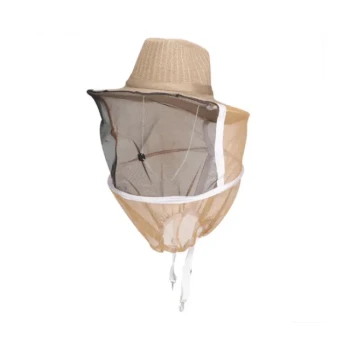
Your head and neck are the most sensitive areas. A hat and veil (or a helmet with a veil) are non-negotiable items to protect your face and ensure visibility while working.
Extremity Protection
Your hands are closest to the bees and most at risk. Gloves are critical for safeguarding your hands during frame manipulation. Additionally, sturdy boots are required to protect your feet and ankles, preventing bees from crawling up your pant legs.
operational Tools for Inspection
Once protected, you need specific tools to manipulate the hive components effectively.
Calming the Colony
The smoker is your primary tool for colony management. It masks alarm pheromones and encourages bees to feed, making them calmer and less aggressive during the inspection.
Manipulating Components
A hive tool is essential for the physical labor of the inspection. You will use it to pry off covers and separate frames that have been glued together with propolis or wax.
Gentle Bee Management
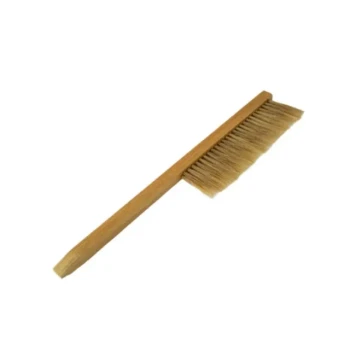
A bee brush allows you to gently move bees off frames or inspection surfaces. This helps you inspect the comb without harming the bees or crushing them, which would release alarm pheromones.
Data Collection
A notebook and pen are vital for long-term apiary success. Recording your observations immediately allows you to track health patterns, productivity changes, and colony development over time.
Understanding the Trade-offs
While the list of equipment is standard, how you utilize it involves critical decisions.
Dexterity vs. Protection
There is an inherent trade-off regarding gloves. Thick gloves offer the highest protection against stings but significantly reduce tactile sensation.
Thinner gloves improve your dexterity, allowing for gentler handling of frames, but they offer less protection. Beginners often prioritize protection, while experienced keepers may prioritize dexterity to minimize clumsy movements that agitate bees.
Preparation vs. Disruption
The primary reference emphasizes avoiding the search for items while the hive is open. If you are disorganized and must leave an open hive to fetch a forgotten tool, you increase the stress on the colony and the risk of stings.
Making the Right Choice for Your Goal
Select your gear based on your experience level and specific inspection objectives.
- If your primary focus is safety and confidence: Prioritize heavy-duty protective gear, specifically thick gloves and a fully sealed suit, to minimize fear and distraction.
- If your primary focus is colony health data: Ensure your notebook and pen are weather-resistant and kept in a pocket where they are instantly accessible without removing gloves.
- If your primary focus is efficiency: Stage your hive tool and lit smoker on the side of the hive you will approach first to minimize movement and inspection time.
Proper preparation transforms a hive inspection from a chaotic risk into a controlled, informative procedure.
Summary Table:
| Category | Item | Primary Function |
|---|---|---|
| PPE | Bee Suit & Veil | Full body and face protection against stings. |
| PPE | Gloves & Boots | Protects extremities and prevents bees from entering clothing. |
| Tools | Smoker | Calms bees by masking alarm pheromones. |
| Tools | Hive Tool | Pries apart frames and covers glued with propolis. |
| Tools | Bee Brush | Gently moves bees to inspect combs without harm. |
| Admin | Notebook & Pen | Essential for tracking colony health and productivity. |
Elevate Your Apiary Operations with HONESTBEE
Success in beekeeping begins with the right equipment. Whether you are managing a large-scale commercial apiary or supplying the next generation of beekeepers as a distributor, HONESTBEE provides the professional-grade tools you need to succeed.
From high-durability protective gear to precision hive-making and honey-filling machinery, our comprehensive wholesale portfolio covers the full spectrum of industry requirements. We help our partners improve efficiency, ensure safety, and grow their business with premium hardware and essential consumables.
Ready to scale your beekeeping business? Contact HONESTBEE Today to explore our wholesale offerings and discover how our expertise can benefit your operation.
Related Products
- Premium Cowboy Beekeeper Hat with Visibility Veil Outdoor Professional Beekeeping Protective Gear
- Beekeeper Cowboy Hat and Veil for Beekeeping
- Premium Cotton Beekeeper Suit with Reinforced Fencing Veil
- White Cotton Beekeeping Jacket and Veil for Bee Keepers
- Beekeeping Jacket with Hood and Veil for Beekeepers
People Also Ask
- What design features contribute to the stability and fit of the beekeeper hat? Key Features for Maximum Hive Safety
- How is the beekeeper hat designed for comfort and practicality? Explore Key Features for Enhanced Apiary Safety
- What is the general protective gear recommendation for new beekeepers? Your Essential Beginner's Safety Guide
- How does beekeeping protective gear facilitate the queen bee selection process? Enhancing Precision in Queen Breeding
- What should beekeepers consider when choosing protective gear? A Guide for Maximum Safety & Comfort