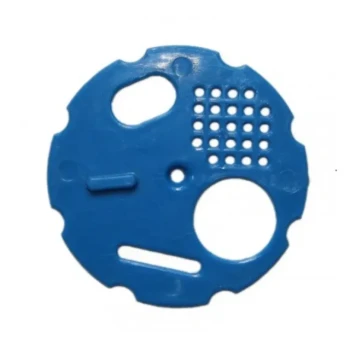
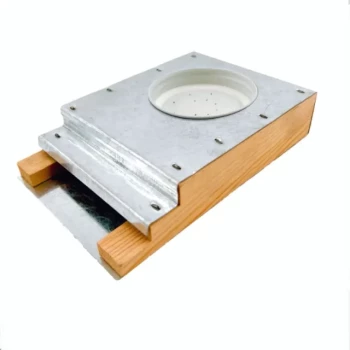
Specialized hive entrance structures function as the critical interface between the colony and the outside world, utilizing specific geometries like funnel-shaped tubes to regulate the internal microclimate and fortify defenses. By constructing these entrances with propolis, stingless bees create a sophisticated barrier that physically restricts intruders while providing a chemical shield against pathogens.
Core Takeaway The entrance is not merely a doorway; it is an active defense system and climate regulator. It combines mechanical restriction (limiting predator access via size and shape) with biological protection (antimicrobial propolis) to stabilize the colony’s environment and ensure survival in artificial habitats.
Fortifying the Colony Against Intruders
The primary function of a specialized entrance is to act as a filter, allowing colony members in while keeping threats out.
Mechanical Exclusion
Entrance structures, such as the funnel-shaped tubes used by Heterotrigona itama, are designed to physically limit the entry of larger intruders.
By simulating the restrictive shapes of natural nesting sites, these apertures act as a bottleneck. This forces any potential invader to pass through a choke point where they can be easily managed by guard bees.
The Biological Barrier
Beyond physical shape, the material composition of the entrance is vital.
Bees utilize propolis to construct and line these entrances. This resinous material possesses natural antimicrobial properties, effectively creating a "sterile doormat" that reduces the introduction of pathogens into the hive.
Adaptive Defense for Vulnerable Colonies
The size of the entrance is a dynamic variable that impacts colony survival.
During sensitive periods, such as after a colony transfer or swarming, the entrance must be narrowed. A smaller opening concentrates defensive efforts, allowing guard bees to successfully repel pervasive pests like phorid flies before the colony has fully established its population.
Stabilizing the Internal Microclimate
Stingless bees require specific environmental conditions to thrive, rear brood, and produce honey.
Environmental Regulation
Specialized entrances play a key role in maintaining the hive's internal stability.
They help regulate humidity and temperature by controlling airflow between the exterior and the brood chamber. This stability is a prerequisite for normal colony behavior, ensuring that foraging and recruitment activities yield authentic data during field operations.
Mimicking Natural Habitats
Artificial hives must replicate the physics of natural dwellings to be successful.
By mimicking the multi-layered structures and entrances found in nature, these designs reduce the biological stress on the bees. This adaptation facilitates rapid colony reproduction and ensures the continuity of pollination services.
Understanding the Operational Trade-offs
While specialized entrances and propolis structures provide immense benefits, they introduce maintenance complexities for the beekeeper.
Equipment Adhesion
The same propolis that seals the hive and protects against microbes acts as a powerful adhesive.
Bees will seal hive components tightly with propolis and beeswax. This requires the use of specialized prying tools to separate frames or boxes without causing physical damage to the structure or crushing the bees.
The Need for Precision
Relying on these structures requires precise management, particularly regarding entrance size.
If an entrance is left too wide during a colony's vulnerable phase, the internal defense mechanisms will fail regardless of the hive's quality. Success depends on the beekeeper actively adjusting the hardware to match the colony's current strength.
Making the Right Choice for Your Goal
Selecting and managing the right entrance structure depends on the current lifecycle stage of your colony.
- If your primary focus is Colony Establishment: Prioritize a narrowed entrance aperture to maximize the mechanical advantage of guard bees against pests like phorid flies.
- If your primary focus is Disease Prevention: Ensure the entrance material supports and encourages the heavy deposition of propolis to leverage its antimicrobial properties.
- If your primary focus is Research Accuracy: Maintain a strictly regulated microclimate via the entrance design to ensure foraging data reflects natural behavior rather than environmental stress.
The most effective hive entrance is one that balances physical security with environmental stability, mimicking the wisdom of nature.
Summary Table:
| Feature | Function | Primary Benefit |
|---|---|---|
| Funnel Geometry | Mechanical Exclusion | Restricts predator access via choke points |
| Propolis Lining | Biological Barrier | Provides antimicrobial and pathogen protection |
| Adjustable Aperture | Adaptive Defense | Concentrates guard efforts during vulnerable phases |
| Airflow Regulation | Climate Control | Stabilizes internal temperature and humidity |
Maximize Your Colony Success with HONESTBEE
Managing stingless bee colonies requires the right balance of natural biology and precision engineering. At HONESTBEE, we empower commercial apiaries and distributors with the specialized tools needed to thrive. From hive-making machinery designed to replicate natural nesting physics to heavy-duty prying tools for managing propolis-sealed equipment, our comprehensive wholesale portfolio has you covered.
Whether you are scaling up pollination services or distributing essential consumables, we provide the hardware and expertise to enhance your operational efficiency. Contact HONESTBEE today to discover how our premium beekeeping tools and equipment can fortify your business and your bees!
References
- Seprido Seprido, Desta Andriani. JENIS-JENIS KELULUT DAN TUMBUHAN PAKANNYA PADA PETERNAKAN KELULUT DI DESA KOTO BARU KABUPATEN KUANTAN SINGINGI. DOI: 10.31849/bl.v9i2.11656
This article is also based on technical information from HonestBee Knowledge Base .
Related Products
- Professional Reversible Beehive Hive Entrance
- Multi-Functional Sliding Hive Entrance for Beekeeping
- Professional Hive Front Entrance Bee Feeder
- Multi-Functional Rotary Hive Entrance Disc for Beekeeping
- HONESTBEE Entrance Bee Feeder Professional Hive Nutrition Solution for Beekeeping
People Also Ask
- Where is the hive entrance typically located? Optimize Your Hive's Health and Honey Production
- What role does the size of the entrance play in hive ventilation? Master Beehive Climate Control
- What roles does the hive entrance (piquera) play in beehive management and colony health? Essential Guide for Pro Apiaries
- What are the primary advantages of providing a smaller entrance for a beehive? Boost Defense and Winter Survival
- Why adjust beehive entrance size for humidity? Boost Honey Ripening and Varroa Control in Commercial Apiaries