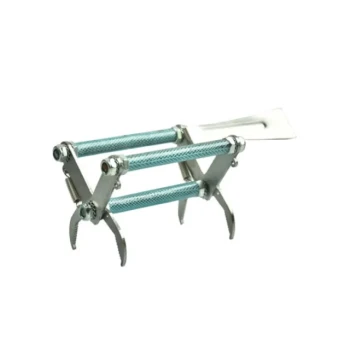
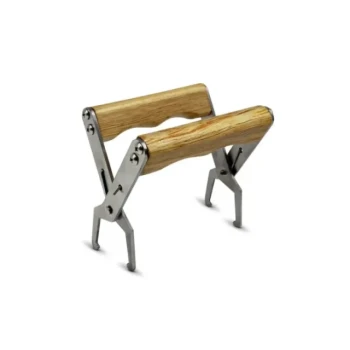
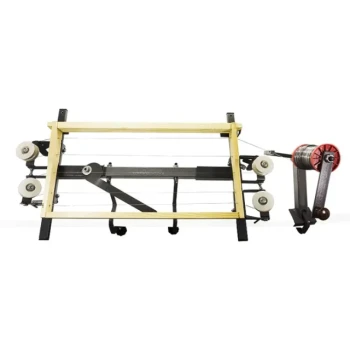
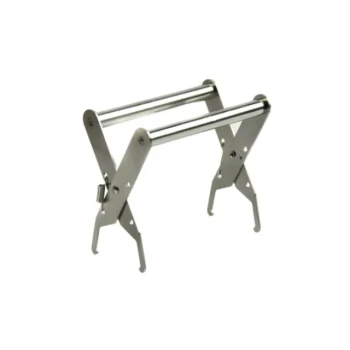
Specialized hive frames serve as a critical diagnostic tool by enabling the effective organization and granular monitoring of honeycomb structures. During the swarming season, they facilitate management by allowing beekeepers to precisely track drone cell locations and maintain accurate counts of queen cells, which are the primary indicators of an impending swarm.
By transforming the hive into an organized, trackable system, specialized frames allow beekeepers to identify and manage the swarming instinct early, preserving the workforce required for critical honey collection.
The Mechanics of Swarm Detection
Enhancing Visual Organization
Specialized frames are designed to help beekeepers organize different honeycombs within the hive structure. This segregation is essential for distinguishing between resource storage and brood rearing areas.
Improving Monitoring Efficiency
Effective swarm management relies on frequent inspection. These frames streamline the process, allowing beekeepers to monitor colony development without disrupting the entire hive ecosystem.
Preserving the Worker Force
The ultimate goal of using these frames is to prevent the loss of bees. By identifying swarming precursors early, beekeepers can intervene to keep the worker population strong during peak honey flow.
Critical Indicators: Drones and Queens
Tracking Drone Cell Areas
A key feature of these frames is the ability to enable precise tracking of drone cell areas. Monitoring the volume and location of drone brood provides early insight into the colony’s reproductive drive.
Managing Queen Cell Counts
The presence of queen cells is the most direct sign of swarming. Specialized frames facilitate accurate queen cell counts, ensuring no potential queens go unnoticed during inspections.
Regulating the Swarming Instinct
By utilizing the data provided by these frames—specifically drone and queen metrics—beekeepers can actively manage the colony's instinct to split. This proactive approach prevents the colony from dividing its resources.
Understanding the Trade-offs
Equipment vs. Management
While specialized frames facilitate monitoring, they do not automate the process. They provide data points, but the beekeeper must still perform the physical inspections to gather this information.
The Requirement of Action
Identifying drone areas and counting queen cells is only the first step. The frames highlight the risk, but preventing the swarm requires the beekeeper to interpret this information correctly and take manual action to manage the colony dynamics.
Optimizing Your Hive Management Strategy
To get the most out of specialized hive frames during swarming season, align your usage with your specific objectives:
- If your primary focus is honey production: Use the frames to maximize worker retention by identifying and removing swarming triggers immediately.
- If your primary focus is colony health: Utilize the drone tracking features to monitor the colony's natural reproductive cycles without necessarily suppressing them until critical limits are reached.
Successful management lies in using the organization these frames provide to maintain a dense, productive population when it matters most.
Summary Table:
| Feature | Management Benefit | Impact on Swarm Prevention |
|---|---|---|
| Visual Organization | Segregates resource storage from brood | Faster, more accurate hive inspections |
| Drone Tracking | Monitors reproductive drive markers | Early warning of colony expansion limits |
| Queen Cell Counts | Precise identification of swarm cells | Direct intervention before the colony splits |
| Brood Segregation | Isolates drone and worker areas | Maintains a high worker-to-drone ratio |
Maximize Your Apiary Productivity with HONESTBEE
Efficient swarm management is the backbone of a profitable honey season. At HONESTBEE, we empower commercial apiaries and distributors with the high-quality tools and machinery needed to scale operations effectively. From specialized hive-making equipment to precision honey-filling machines and essential consumables, our comprehensive wholesale catalog is designed to meet the demands of large-scale beekeeping.
Ready to optimize your hive management and secure your honey yields?
Contact us today to explore our full spectrum of beekeeping solutions and learn how our industry expertise can drive your business forward.
References
- M. Abd Al-Fattah, Mahmoud Elfeel. SIWA OASIS AS A NEW ISOLATED REGION FOR PRESERVING AND PROPAGATING THE EGYPTIAN HONEYBEE RACE, Apis mellifera lamarckii COCKERELL. DOI: 10.21608/jppp.2007.219709
This article is also based on technical information from HonestBee Knowledge Base .
Related Products
- Professional Galvanized Steel Frame Rest for Beehives
- Wooden Bee Hive Frames for Beekeeping and Wholesale
- Plastic Bee Frame Beekeeping Hive Frames for Wholesale
- HONESTBEE Professional Frame Wiring Board and Jig
- Professional 3-Bar Frame Grip with Integrated Hive Tool
People Also Ask
- What are the standard dimensions for frame rests in a beehive? Essential Guide for Perfect Bee Space
- How does balancing the number of frames impact hive productivity? Optimize Your Apiary's Biological Output
- What are the main considerations when choosing between wooden and plastic bee hive frames? Optimize Your Apiary's Efficiency
- How do wooden and plastic hive frames compare in terms of durability? Wood vs. Plastic Longevity & Repairability
- What are the main types of beehive frames used in modern beekeeping? Find the Perfect Fit for Your Apiary