Specialized monitoring tools drive genetic progress by allowing breeders to quantify a colony's innate ability to detect and remove compromised brood. By simulating larval death and meticulously measuring the colony's cleanup response, these tools provide the objective data necessary to select breeding stock that naturally resists Varroa mites and the viruses they transmit.
By shifting focus from treating symptoms to selecting superior genetics, monitoring tools enable the propagation of hygienic behaviors that reduce the industry's long-term reliance on chemical interventions.
Simulating Disease to Measure Instinct
To select for resistance, breeders must first observe how a colony reacts to stress without endangering the entire hive. Specialized tools allow for the controlled simulation of larval death.
The Pin-Test Method
Precision pin-test tools are used to manually pierce capped larvae, effectively simulating death within the cell. This physical intervention mimics the presence of disease or mite damage in a controlled area of the brood frame.
Quantifying the Cleanup Response
Once the larvae are neutralized, the clock starts. The primary indicator of hygienic behavior is the speed and efficiency with which worker bees detect the dead larvae, uncap the cells, and remove the contents.
Identifying Superior Traits
Colonies that rapidly clear the "infected" brood demonstrate a high hygienic instinct. These specific colonies are better equipped to interrupt the reproductive cycle of the Varroa destructor mite and curb the spread of associated pathogens.
Enhancing Accuracy with Digital Imaging
Visual estimation in the field is prone to human error. Modern breeding programs utilize industrial-grade imaging to ensure data integrity.
Eliminating Human Error
High-definition cameras or digital imaging devices record the state of the test area at 0 hours (initial test) and exactly 24 hours later. This removes subjective guessing from the evaluation process.
Calculating Hygienic Behavior (HB) Values
Using professional analysis software, researchers compare the "before and after" images to accurately count remaining capped cells. This generates a precise removal rate, or HB value, which serves as a traceable metric for genetic selection.
The Foundation of Sustainable Breeding
The ultimate goal of using these tools is not just observation, but the permanent improvement of honeybee genetics.
Facilitating Artificial Selection
Data derived from these tools allows breeders to strictly filter their population. Only colonies with high HB values are selected for breeding, ensuring that favorable genes are passed to the next generation.
Reducing Chemical Dependence
Over time, this selective pressure enhances the population's natural resistance. As colonies become more proficient at self-cleaning, beekeepers can significantly reduce the frequency and intensity of chemical varroa treatments.
Understanding the Trade-offs
While specialized monitoring tools offer a path to genetic resistance, they require distinct operational protocols compared to standard hive management.
Necessity of Proper Access
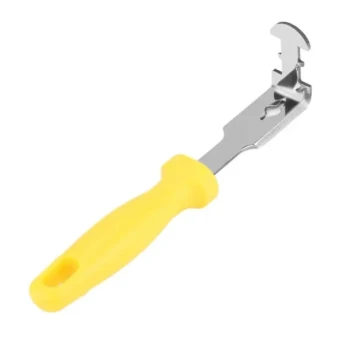
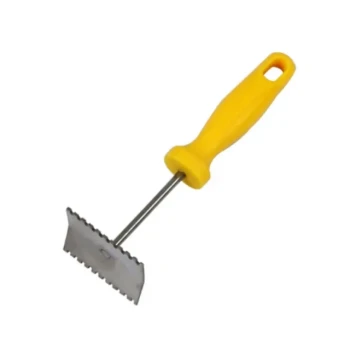
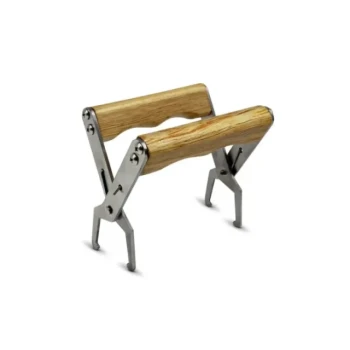
Before specialized testing can occur, basic access must be secured without agitating the bees. A high-strength hive tool is required to leverage stuck frames apart and scrape away propolis, ensuring the test area can be handled without causing unnecessary colony stress that could skew results.
Complexity of Analysis
Digital recording adds a layer of complexity to apiary management. It requires not just field work, but post-inspection software analysis to convert images into actionable breeding data.
Making the Right Choice for Your Goal
Select the approach that aligns with your specific role in the apiary ecosystem.
- If your primary focus is Genetic Breeding: Prioritize digital imaging systems and analysis software to create traceable records of Hygienic Behavior (HB) values for lineage tracking.
- If your primary focus is Varroa Management: Utilize manual pin-test equipment to identify your strongest colonies and reduce chemical treatments for those specific hives.
True sustainability is achieved when we use technology not to replace bee biology, but to reveal and amplify their natural defenses.
Summary Table:
| Tool/Method | Primary Function | Key Metric | Breeding Benefit |
|---|---|---|---|
| Pin-Test Tools | Simulates larval death/mite damage | 24-hour cleanup speed | Identifies high-hygiene colonies |
| Digital Imaging | Records brood frame state | Precise cell removal count | Eliminates human error in selection |
| Analysis Software | Processes field data | HB (Hygienic Behavior) Value | Traceable records for lineage tracking |
| High-Strength Hive Tools | Frame manipulation | Minimal colony stress | Ensures data integrity during testing |
Strengthen Your Apiary's Resilience with HONESTBEE
Are you a commercial apiary or a distributor looking to advance honeybee genetics and sustainability? HONESTBEE is your dedicated partner in professional beekeeping. We offer a comprehensive wholesale portfolio—from specialized pin-test hardware and hive-making machinery to essential industrial consumables.
Our equipment empowers you to identify superior traits, maximize hive health, and reduce chemical dependence across your operations. Contact us today to discuss how our high-quality tools and machinery can optimize your breeding programs and enhance your commercial value.
References
- Francesco Nazzi. Commentary: Engineered symbionts activate honey bee immunity and limit pathogens. DOI: 10.3389/fevo.2020.538520
This article is also based on technical information from HonestBee Knowledge Base .
Related Products
- Multi-Function Plier-Style Frame Grip Hive Tool
- Professional Queen Catcher and Introduction Queen Cage
- Heavy Duty Stainless Steel Frame Cleaner with Plastic Handle
- Digital Honey Refractometer for Precision Measurement of Optimal Honey Quality
- HONESTBEE Professional Mini J-Hook Hive Tool for Beekeeping
People Also Ask
- What are the benefits of a multi-functional hive tool? Streamline Your Apiary Workflow with One Tool
- What advantages do multi-functional hive tools offer? Maximize Your Apiary Efficiency and Workflow
- What tools are used in beekeeping? A Complete Guide to Essential Beekeeping Equipment
- What is the importance of using the right tools in honey production? Boost Quality, Yield & Profitability
- Why are beekeeping tools important for hive management? Ensure Colony Health and Safety