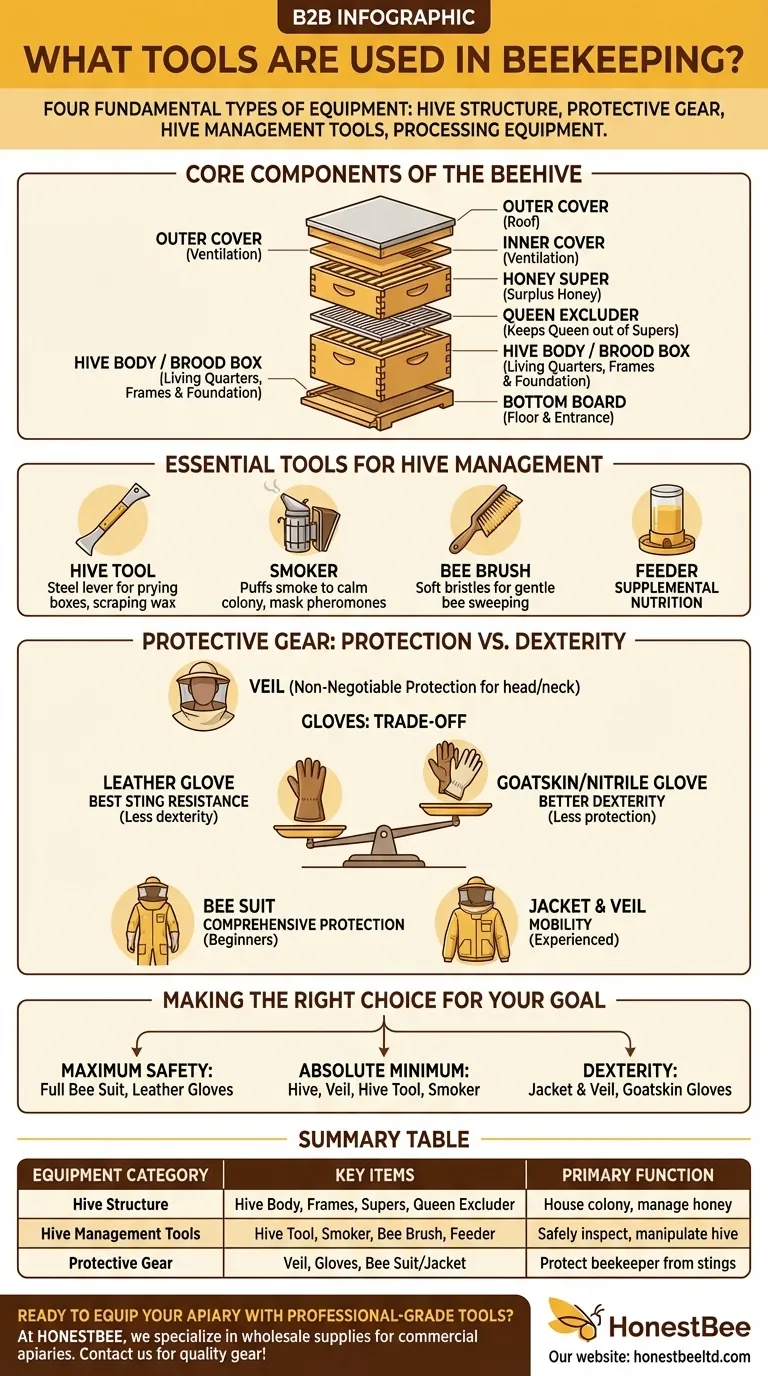
At its core, beekeeping requires four fundamental types of equipment. These include the hive structure that houses the bees, the protective gear for your safety, the basic tools for manipulating the hive, and eventually, the equipment needed for processing honey. The absolute essentials for your first hive inspection are a hive tool, a smoker, and a protective veil.
Your beekeeping equipment is more than just a collection of tools; it's a complete system designed to help you perform two critical functions: safely managing the health of your bee colony and effectively harvesting the honey they produce.
The Core Components of the Beehive
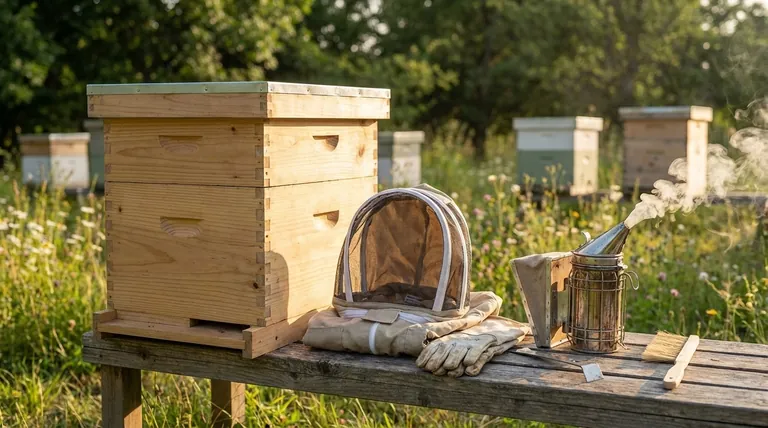
Before any other tool, you need a home for your bees. A modern hive is a modular system where each component serves a specific purpose.
The Hive Body and Frames
The hive body, or brood box, is the main living quarters for the colony. It's where the queen lays her eggs and the colony raises its young.
Inside this box are removable frames. These hold sheets of foundation, which provide a guide for bees to build their honeycomb in straight, manageable sections.
Honey Supers
Honey supers are smaller boxes placed on top of the hive body. Their sole purpose is for the bees to store surplus honey, which is what the beekeeper harvests.
A queen excluder is often placed between the brood box and the supers. This grid is large enough for worker bees to pass through but too small for the queen, ensuring she doesn't lay eggs in the honey-storage area.
The Base and Covers
The entire stack rests on a bottom board, which serves as the floor and entrance to the hive. An inner cover provides ventilation and insulation, while the outer cover acts as the roof, protecting the colony from the elements.
Essential Tools for Hive Management
When you open a hive for inspection, a few handheld tools are non-negotiable for doing the job safely and efficiently.
The Hive Tool: Your Multi-Purpose Lever
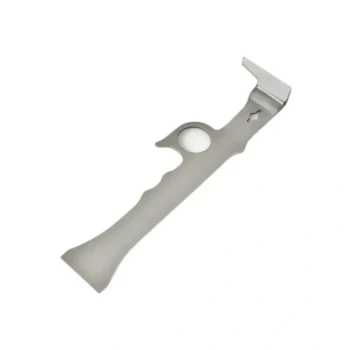
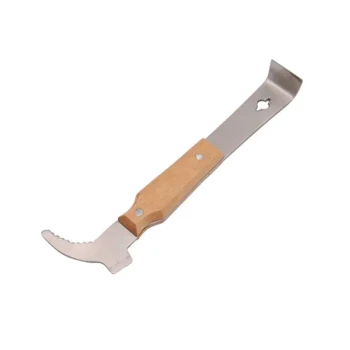
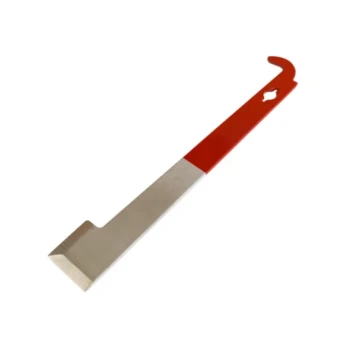
The hive tool is the beekeeper's most essential instrument. It is a specialized steel lever used to pry apart hive boxes and frames, which bees weld together with a sticky resin called propolis.
Its sharp, flat edge is also perfect for scraping away unwanted wax and propolis from hive components, keeping the hive clean and manageable.
The Smoker: Calming the Colony
A smoker is a small, handheld device used to puff cool, white smoke around the hive entrance and over the top of the frames before and during an inspection.
The smoke masks the bees' natural alarm pheromones, preventing a coordinated defensive response. It also encourages them to engorge on honey, which makes them calmer and less inclined to sting.
The Bee Brush: A Gentle Guide
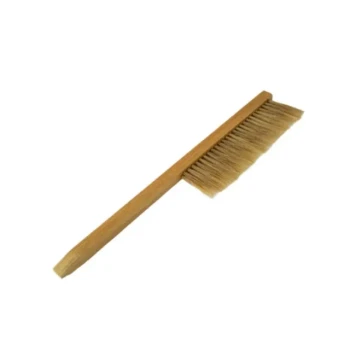
A bee brush has very soft bristles and is used to gently sweep bees off a frame. This is crucial when you need a clear view for inspection or when removing frames for a honey harvest without harming the bees.
Feeders: Providing Supplemental Nutrition
Feeders are used to provide sugar syrup to a colony. This is essential for newly established hives that haven't built up honey stores or for any hive during periods when natural nectar sources are scarce.
Understanding the Trade-offs in Protective Gear
Personal protection is paramount. Your choice of gear involves a direct trade-off between the level of protection and your ability to work with dexterity.
The Veil: Non-Negotiable Protection
A veil is the absolute minimum piece of protective gear you should ever use. It protects your face, head, and neck, which are the most sensitive and dangerous places to be stung.
Gloves: Protection vs. Dexterity
Your choice of gloves presents a clear decision point. Leather gloves offer the best sting resistance but can be clumsy, making delicate tasks difficult.
Lighter options like goatskin or nitrile-coated gloves offer a much better feel and greater control when handling frames and equipment, but they provide less protection than thick leather.
Bee Suits and Jackets
A full bee suit or jacket offers comprehensive protection for your body. A full suit is ideal for beginners as it builds confidence, while many experienced beekeepers opt for a jacket-and-veil combination for more mobility.
Making the Right Choice for Your Goal
Your initial equipment purchase should be guided by your comfort level, budget, and goals.
- If your primary focus is maximum safety and confidence: Start with a full bee suit and durable leather gloves. This will allow you to learn without the fear of stings.
- If your primary focus is starting with the absolute minimum: The non-negotiable core is the complete hive, a veil, a hive tool, and a smoker. You can add other items later.
- If your primary focus is dexterity and feeling connected to the bees: Choose a high-quality jacket and veil combo with flexible goatskin gloves to better feel the equipment you are handling.
Ultimately, these tools are the bridge that allows you to partner with your bees and participate in the life of the colony.
Summary Table:
| Essential Equipment Category | Key Items | Primary Function |
|---|---|---|
| Hive Structure | Hive Body, Frames, Honey Supers, Queen Excluder | House the colony and manage honey production |
| Hive Management Tools | Hive Tool, Smoker, Bee Brush, Feeder | Safely inspect and manipulate the hive |
| Protective Gear | Veil, Gloves, Bee Suit/Jacket | Protect the beekeeper from stings during hive work |
Ready to equip your apiary with professional-grade tools? At HONESTBEE, we specialize in supplying durable, reliable beekeeping supplies and equipment to commercial apiaries and distributors. Our wholesale-focused operations ensure you get the quality gear you need to manage your colonies safely and efficiently. Contact us today to discuss your equipment needs and see how we can support your beekeeping success!
Visual Guide
Related Products
- HONESTBEE 15-in-1 Beekeeper Multi-Tool with Hammer and Pliers for Beekeeping
- Stainless Steel J Hook Hive Tool for Beekeeping
- HONESTBEE Advanced Ergonomic Stainless Steel Hive Tool for Beekeeping
- Ergonomic Plastic Frame Spacer Tool for Rapid Hive Management Beekeeping
- Stainless Steel Queen Grafting Tool for Beekeeping and Bee Queen Grafting
People Also Ask
- What is the recommended method for storing beekeeping tools? Expert Vertical Storage Solutions for Your Apiary
- How does a favorable microclimate interact with beekeeping tools? Boost Overwintering Success and Equipment Longevity
- Why is the treatment of beekeeping tools with high-concentration chemical disinfectants necessary for preventing AFB?
- How do specialized beekeeping tools and high-specification protective equipment assist in colony health management?
- Why design beekeeping tools with ergonomics in mind? Empowering All Beekeepers with Inclusive Equipment