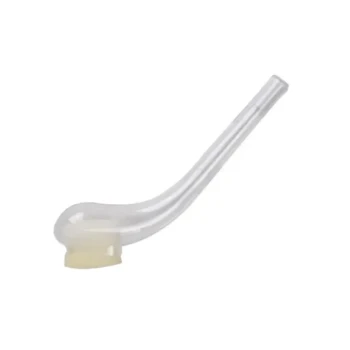
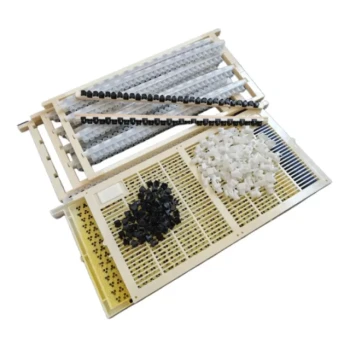
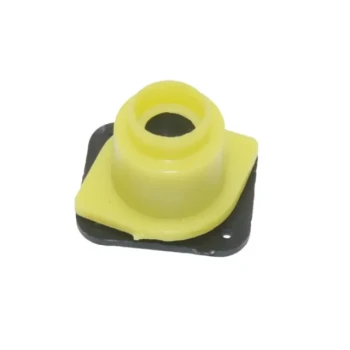
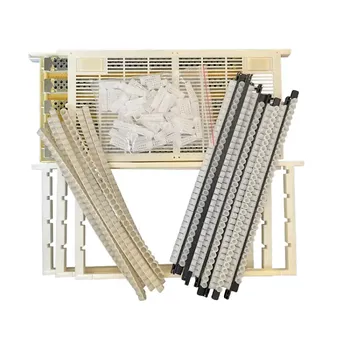
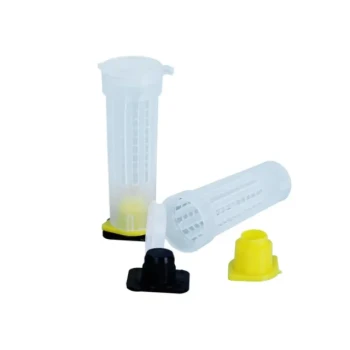
Specialized queen-rearing tools and artificial insemination instruments give commercial apiaries control over both colony numbers and colony genetics. Queen-rearing equipment supports the planned production, mating, replacement, and distribution of queens, while artificial insemination equipment lets breeders select specific queen-and-drone pairings. Together, these systems help apiaries expand without relying solely on wild swarms or uncontrolled mating.
The central advantage is control: queen-rearing tools make colony expansion more repeatable, while artificial insemination instruments make genetic improvement more deliberate, measurable, and consistent.
How Queen-Rearing Tools Support Colony Expansion
Increasing Queen Production
A healthy queen can lay up to 1,500 eggs per day, making queen quality and availability central to commercial growth. Grafting needles, queen cell frames, cell bars, and related rearing supplies allow breeders to raise multiple queens from selected stock instead of depending on naturally produced queen cells.
This creates a more predictable pipeline of queens for new colonies, replacement programs, and sales.
Supporting Colony Division
A commercial apiary can expand by dividing strong colonies and assigning suitable queens to the resulting units. Queen-rearing and colony-division tools help beekeepers organize this process and improve the likelihood that each new colony develops a stable reproductive structure.
Reliable consumables and standardized procedures also reduce the risk of poor occupancy, failed queen introduction, and uneven colony development.
Maintaining Replacement Capacity
Queens age at different rates, and colonies may also lose queens through disease, environmental stress, swarming, or handling. Maintaining an internal supply of quality queens allows an apiary to replace failed or aging queens promptly.
Regular replacement schedules should be based on queen performance, colony conditions, and local management practices rather than a rigid calendar. The operational principle is consistent: planned replacement is less disruptive than emergency replacement.
Housing Newly Established Colonies
Queen production alone does not create additional productive colonies. New queens require mating units, nucs, hive bodies, frames, and other hardware before they can contribute to apiary expansion.
Mating nucs and standardized hive equipment allow breeders to move queens through rearing, mating, evaluation, and colony establishment efficiently. For distributors and commercial buyers, coordinated access to both biological supplies and hive hardware reduces delays between queen production and colony deployment.
How Artificial Insemination Improves Genetic Management
Controlling Queen-and-Drone Pairings
In natural mating, a queen typically mates with drones in flight, making the exact genetic contribution difficult to control. Artificial insemination instruments allow breeders to collect selected drone semen and introduce it into a queen under controlled conditions.
This makes it possible to design specific genetic pairings and maintain clearer breeding records.
Propagating Desired Traits
Commercial breeders may select for traits such as honey production, disease resistance, gentleness, colony cohesion, and reduced swarming tendencies. Artificial insemination helps concentrate breeding decisions around those traits by limiting the uncertainty associated with uncontrolled mating.
The result is not an instant guarantee of superior colonies. It is a more disciplined method for testing, selecting, and propagating useful genetic lines over successive breeding cycles.
Preserving Line Purity
When an apiary maintains valuable or specialized genetic lines, uncontrolled mating can gradually dilute their characteristics. Instrumental insemination supports greater control over hybridization and helps breeders preserve selected lines or create planned crosses.
This is particularly valuable when supplying queens to multiple commercial operations that require predictable behavioral and production characteristics.
Accelerating Selection Cycles
A queen’s high reproductive capacity means that selected genetics can be distributed through large numbers of offspring. Worker bees reach adulthood in approximately 21 days, so breeders can evaluate colony development and performance across relatively structured production cycles.
Artificial insemination does not eliminate the need for field evaluation. It improves the breeder’s ability to make deliberate genetic choices before evaluating how those choices perform under commercial conditions.
Why the Two Systems Work Best Together
Genetics Must Be Matched With Production Capacity
Artificial insemination can produce carefully planned queens, but those queens still need to be reared, mated or stabilized, evaluated, and placed into colonies. Queen-rearing equipment provides the production framework that turns genetic plans into deployable queens.
This is why commercial programs often need a coordinated range of grafting tools, cell frames, mating nucs, queen excluders, insemination instruments, and hive hardware.
Expansion Requires Standardized Infrastructure
Rapid colony growth depends on more than biological success. New colonies need standardized boxes, frames, and related equipment at the correct time.
For large apiaries and B2B suppliers, box-jointing, frame-cutting, and precision woodworking capabilities can support the physical side of expansion. A dependable supply of standardized hive components prevents newly reared queens and divided colonies from waiting for housing.
Consistent Tools Improve Process Repeatability
Commercial queen production involves repeated, precise tasks. Purpose-built tools help standardize grafting, cell handling, queen transfer, mating-unit preparation, and insemination.
Repeatability supports better training, more consistent quality control, and easier comparison between breeding batches.
Operational Benefits for Commercial Apiaries
Faster Recovery After Colony Loss
Environmental stress, disease, pests, and disasters can reduce colony numbers quickly. An apiary with queen-rearing capability can rebuild more independently by producing replacement queens and dividing surviving strong colonies.
This reduces dependence on emergency purchases and helps restore operating capacity.
Lower Dependence on Wild Swarms
Wild swarms may be unpredictable in timing, genetics, temperament, and productivity. Planned queen production gives beekeepers greater influence over the colonies they establish and the traits they introduce into the operation.
That control supports more reliable expansion and reduces the biological uncertainty of sourcing colonies opportunistically.
More Predictable Commercial Performance
Replacing weak or poorly performing queens with selected stock can improve colony organization and productivity when the new queens are properly introduced and supported. Stronger colony cohesion and reduced swarming pressure may also reduce labor associated with colony management.
Actual results depend on nutrition, disease control, climate, forage availability, and overall husbandry. Queen genetics are an important input, not a substitute for sound apiary management.
Improved Supply Planning
For distributors, wholesalers, and resellers, a full-spectrum portfolio is commercially valuable because queen production requires interconnected products rather than one isolated instrument. Buyers may need rearing consumables, insemination equipment, mating units, colony-division supplies, and hive-production hardware within the same operating cycle.
Rapid response, technical product guidance, and efficient order fulfillment are therefore part of the value proposition. Availability at the right time can affect whether a breeding batch becomes a productive colony group or a delayed inventory commitment.
Understanding the Trade-offs
Equipment Does Not Replace Expertise
Artificial insemination requires trained handling, appropriate sanitation, careful semen collection, and accurate queen manipulation. Poor technique can injure queens, reduce acceptance, or produce unreliable breeding outcomes.
Queen-rearing also depends on timing, colony strength, larval selection, grafting skill, and suitable environmental conditions.
Genetic Control Has Biological Limits
A planned queen-and-drone pairing improves control, but colony performance remains influenced by multiple genetic and environmental factors. Traits such as productivity, temperament, and disease resistance are not always expressed uniformly across every colony.
Breeders must continue evaluating progeny in real apiary conditions instead of assuming that a selected pairing will perform identically everywhere.
Higher Precision Means Higher Process Requirements
Specialized instruments usually require more careful maintenance, calibration, storage, and user training than general-purpose beekeeping tools. The investment is justified when the apiary has enough breeding volume, replacement demand, or genetic value to use the equipment consistently.
For smaller operations, purchasing ready-bred queens may be more economical than building a complete instrumental insemination program.
Integrated Supply Matters
A shortage of mating nucs, cell frames, hive boxes, or replacement parts can interrupt an otherwise successful breeding program. Commercial buyers should assess compatibility, replenishment lead times, technical support, and delivery reliability alongside the initial equipment price.
The most useful supplier is one that can support the complete workflow, not merely provide a single specialist tool.
Making the Right Choice for Your Goal
The appropriate product mix depends on whether the priority is colony volume, genetic improvement, replacement reliability, or supply-chain efficiency.
- If your primary focus is colony expansion: Prioritize grafting tools, queen cell frames, mating nucs, colony-division supplies, and standardized hive hardware that can house new colonies without delay.
- If your primary focus is genetic improvement: Invest in artificial insemination instruments, selected drone and queen lines, breeding records, and field-evaluation processes.
- If your primary focus is queen replacement: Build dependable access to rearing supplies and quality replacement queens so failed or aging queens can be addressed before colony performance declines.
- If your primary focus is distribution or resale: Offer a coordinated portfolio supported by rapid quotations, technical expertise, responsive service, and reliable fulfillment across both queen-rearing and hive-production categories.
When the right tools, genetics, training, and supply support are managed as one system, commercial apiaries can expand more predictably while building stronger and more consistent bee populations.
Summary Table:
| Tool Category | Role in Colony Expansion | Role in Genetic Management |
|---|---|---|
| Queen Rearing Tools (e.g., grafting needles, queen cell frames, cell bars) | Enable mass production of selected queens; support colony division and replacement. | Provide a framework for raising queens from desired stock, preserving genetic lines. |
| Artificial Insemination Instruments | Support controlled breeding to maintain or increase colony numbers with specific genetic traits. | Allow precise control of queen-and-drone pairings; propagate desired traits; preserve line purity. |
| Mating Nucs & Hive Hardware | Provide housing for new queens and colonies, facilitating expansion. | Enable evaluation of new genetics under standardized conditions. |
Elevate your apiary's breeding and expansion programs with HONESTBEE's comprehensive wholesale supply. As your one-stop partner for beekeeping tools, machinery, and consumables, we provide specialized queen-rearing and artificial insemination equipment, plus hive production hardware, ensuring rapid response, expert guidance, and ultra-fast delivery. For distributors and B2B resellers, our full-spectrum portfolio and dedicated service support your profit margins and operational reliability. Contact us today to discuss your needs and experience the HONESTBEE advantage.
Related Products
- Queen Bee Artificial Insemination Instrument Equipment for Instrumental Insemination
- Plastic Chinese Queen Grafting Tool for Bee Queen Rearing
- Stainless Steel Beekeeping Queen Grafting Tool for Honey Bee Rearing
- Retractable Chinese Queen Rearing Grafting Tools Equipment
- Black 2 Pack Beekeeper Queen Grafting Tool for Bee Queen Larva Transferring Needle
People Also Ask
- Why is maintaining sanitary conditions important during artificial insemination? Protect Your Queen from Fatal Infections
- Why are artificial insemination instruments critical in bee hybridization? Master Genetic Control & Pure Breeding
- What is the core value of bee artificial insemination instruments in breed improvement? Achieve Precise Genetic Control
- Why is professional bee artificial insemination equipment considered a core tool for genetic control in honeybee breeding? Ensure 100% Purity
- Why is high-purity CO2 used for queen bee artificial insemination? Unlock Precision Breeding & Faster Egg-Laying