Synthetic Nasonov pheromone lures work by reproducing the scent signal honeybee workers use to identify and orient toward a nest entrance. In a swarm trap, the ideal commercial formulation is a standardized blend of citral and geraniol in a 2:1 ratio, delivered through a controlled-release lure. Scout bees detect the odor, investigate the trap as a potential nesting site, and can guide the swarm toward it—without depending on old comb or residual hive odors.
The key value of a synthetic Nasonov lure is consistency: a correctly formulated, controlled-release citral–geraniol blend gives swarm-catching equipment a reproducible chemical attractant that is easier to standardize, distribute, and deploy than aged hive materials.
How Synthetic Nasonov Lures Function
They imitate a natural orientation signal
Worker honeybees release Nasonov pheromone by exposing the Nasonov gland and fanning their wings. The resulting odor helps other bees locate nest entrances and can also support orientation toward important sites such as water sources.
A synthetic lure does not create a real colony. Instead, it reproduces the chemical cue that tells searching bees, particularly scouts, that a location may be suitable for occupation.
They attract scout bees first
Swarm scouts search for potential nesting locations before the main swarm relocates. When a scout detects a Nasonov-like scent inside a swarm trap, it may investigate the structure and assess it alongside other factors such as shelter, size, and location.
If the site is accepted by enough scouts, the swarm may be directed toward the trap. The lure therefore functions primarily as an initial discovery and orientation aid, not as a guarantee of capture.
They reduce dependence on old comb
Traditional swarm traps often use aged comb or hive odors to make the equipment more attractive. Synthetic lures provide a more standardized alternative that can be used in clean, unoccupied hive bodies or dedicated trap boxes.
This is particularly valuable for commercial operations because trap performance is less dependent on the availability, condition, and hygiene of old comb.
The Ideal Chemical Composition
Use a 2:1 citral-to-geraniol blend
For the formulation described in the primary reference, the preferred composition is:
- Citral: two parts
- Geraniol: one part
This 2:1 ratio is intended to reproduce the characteristic terpenoid profile associated with natural Nasonov pheromone and provide a consistent attractant for swarm-trapping applications.
Understand the role of related compounds
Natural Nasonov pheromone contains multiple volatile compounds, and supplementary descriptions commonly identify citral, geraniol, and nerol among its components. However, the specified commercial formulation here is the standardized citral–geraniol blend, rather than an unspecified mixture of all related compounds.
For procurement and product specification, the important distinction is between:
- A defined, repeatable formulation: citral and geraniol at 2:1.
- A broad natural-pheromone description: which may reference additional compounds such as nerol.
A broader ingredient list is not automatically a better lure. For B2B supply, reproducibility, documented composition, and consistent release performance are more important than simply increasing the number of ingredients.
Control the release rate
Chemical composition alone does not determine field performance. The lure must also release the attractant gradually rather than evaporating immediately or becoming too weak to detect.
Micro-encapsulated or sealed liquid-vial formats can provide a continuous scent source inside the trap. For distributors and equipment suppliers, the release system should be treated as part of the product specification, not as packaging alone.
How Lures Should Be Used in Swarm Traps
Place the lure inside the trap body
The lure should be positioned inside the swarm trap or unoccupied hive body so that the odor becomes associated with the intended nesting cavity. The goal is to make the trap itself the point of investigation and potential occupation.
It should be secured so it cannot leak, become contaminated, or interfere with the bees’ access to the cavity.
Pair the lure with suitable equipment
A pheromone lure cannot compensate for unsuitable trap design. Effective deployment normally combines the lure with a clean, structurally sound hive body or trap that offers adequate shelter and a practical entrance.
For commercial apiaries, standardized trap dimensions and consistent lure placement make field results easier to compare and operational procedures easier to train.
Use it as part of a monitoring system
Scout activity should be monitored after deployment. Evidence of bee visitation, repeated inspection, or increased activity can indicate that the trap is being considered.
Once a swarm occupies the trap, the colony should be managed according to local beekeeping practice and applicable regulations.
Why This Matters for Commercial Buyers
It creates a repeatable consumable
Synthetic lures can be supplied as standardized consumables rather than relying on irregular sources of old comb. This supports planned seasonal purchasing and consistent deployment across multiple apiary locations.
For wholesalers and resellers, the product can complement swarm traps, hive bodies, entrances, inspection equipment, and colony-management supplies.
It supports faster operational deployment
Ready-to-use lures reduce preparation time for apiary teams. A controlled-release vial can be placed in a trap without preparing or transporting aged comb for every installation.
This can simplify fulfillment for distributors serving customers who need complete swarm-catching kits rather than individual components.
It improves product consistency
A defined chemical ratio and standardized packaging make it easier for suppliers to communicate product specifications, manage inventory, and maintain repeatable customer expectations.
For B2B buyers, consistency should include the chemical ratio, vial format, release duration, packaging integrity, batch identification, and storage requirements.
Understanding the Trade-offs
Attraction is not the same as capture
A lure attracts attention, but scouts also evaluate the trap’s location, cavity characteristics, exposure, and general suitability. Poor placement or an unsuitable trap can result in investigation without occupation.
Product claims should therefore describe the lure as an attractant or orientation aid, not as a guaranteed swarm-capture device.
More pheromone is not necessarily better
An excessive concentration may produce an unnatural odor profile or shorten the useful life of the product through rapid evaporation. The objective is a stable, detectable signal over the intended deployment period.
Controlled release is generally more useful than simply increasing the volume of active ingredients.
Nasonov lures should not be confused with queen pheromones
Nasonov pheromone is an orientation and location signal released by worker bees. Queen mandibular pheromone, sometimes called queen substance, is a different pheromone system with different biological functions.
Products marketed as queen pheromone substitutes should not automatically be described as Nasonov lures. Clear chemical identification is essential for accurate sourcing, labeling, and customer guidance.
Storage and handling affect performance
Volatile compounds can lose effectiveness if exposed to unsuitable temperatures, damaged seals, or prolonged storage outside recommended conditions. Packaging should protect the lure from leakage and uncontrolled evaporation.
Distributors should verify manufacturer storage guidance and maintain stock rotation, particularly before peak swarm seasons.
Making the Right Choice for Your Goal
The best purchasing decision combines the correct chemical formulation with reliable delivery and equipment compatibility.
- If your primary focus is swarm-catching performance: Choose a controlled-release lure based on a standardized 2:1 citral-to-geraniol formulation and deploy it inside a suitable, well-positioned trap.
- If your primary focus is product consistency: Require documented composition, batch control, packaging integrity, and defined release characteristics from the supplier.
- If your primary focus is wholesale distribution: Source lures alongside compatible swarm traps, hive bodies, and beekeeping consumables to provide a complete, ready-to-deploy product range.
- If your primary focus is apiary efficiency: Use synthetic lures to reduce dependence on aged comb and standardize trap preparation across multiple locations.
- If your primary focus is accurate product positioning: Describe the lure as a synthetic Nasonov orientation attractant, and do not conflate it with queen mandibular pheromone products.
A properly specified synthetic Nasonov lure gives beekeepers and suppliers a practical, repeatable way to improve swarm-trap readiness without relying on inconsistent hive odors.
Summary Table:
| Aspect | Description |
|---|---|
| Function | Mimics worker bee Nasonov scent to attract scout bees to investigate trap |
| Ideal Chemical Composition | 2:1 citral to geraniol blend |
| Release Mechanism | Controlled-release (micro-encapsulated or sealed vial) for gradual scent emission |
| Usage | Place inside trap; pair with clean, suitable hive body; monitor scout activity |
| Advantages | Consistency, repeatability, reduced dependence on old comb, easy deployment |
Enhance your swarm-catching efficiency with our standardized synthetic Nasonov pheromone lures, featuring a precise 2:1 citral-geraniol blend. As a one-stop supplier for commercial apiaries and distributors, HONESTBEE offers high-quality lures alongside a full spectrum of beekeeping equipment. Our rapid response, dedicated service, and ultra-fast delivery ensure you stay ahead of the season. Contact us today to discuss wholesale pricing, OEM/ODM support, or to place your order.
Related Products
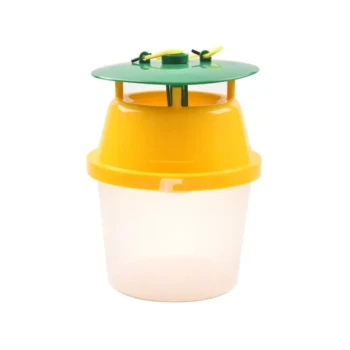
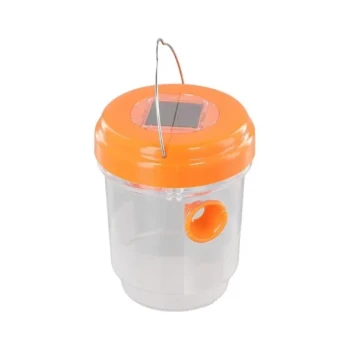
- Professional Bucket Style Wasp and Moth Pheromone Trap
- Heavy-Duty Ergonomic Grip Galvanized Pollen Shovel
- Premium Traditional Copper Bee Smoker with Bellows
- Professional Dual Action Queen Excluder Scraper for Beekeeping
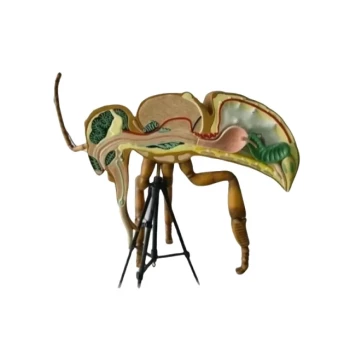
- Honey Bee Lifecycle Model: A Detailed Honeycomb Display of Bee Development
People Also Ask
- What is the function of Pheromone Traps in the biosecurity monitoring of apiaries? Precision Tools for Pest Control
- What role do Pheromone Traps play in the IPM for Large African Hive Beetles? Essential Surveillance & Control Tips
- How do professional wasp traps function? Master Physical Control of Oriental Hornets to Protect Your Apiary
- What are the practical advantages of using professional wasp traps and protective equipment in apiary management? Scale Up
- Why replace sugar syrup bait in wasp traps every three days? Ensure Maximum Attraction and Catch Rates