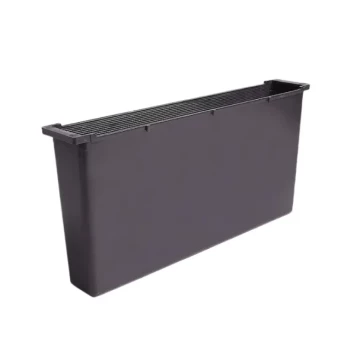
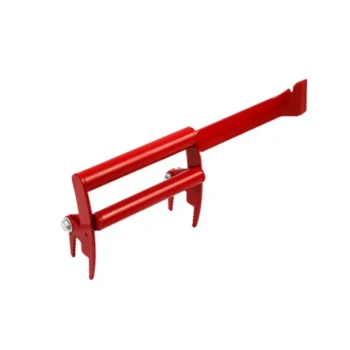
The frame feeder acts as a critical control variable in apicultural research and professional colony management. By providing a consistent supply of sugar syrup during periods of nectar scarcity, these feeders prevent colony decline due to starvation. This isolation of nutritional variables ensures that observed changes in mite reduction or brood health are directly attributable to the treatment being tested rather than environmental stress.
A professional-grade frame feeder stabilizes experimental data by maintaining colony vigor through controlled nutrition, while simultaneously offering integrated mechanical pest control options that reduce reliance on chemical interventions.
Isolating Treatment Efficacy Through Nutritional Support
Eliminating Starvation as a Variable
Experimental stability requires that the only changing factor is the mite control treatment itself. Frame feeders supply essential carbohydrates to honeybee colonies during nectar dearths, ensuring the population remains stable and active. This prevents "background noise" in data caused by colony weakening or starvation-induced brood termination.
Protecting Brood Development Data
Accurate evaluation of mite treatments often involves measuring honeybee brood area and health. By ensuring bees are adequately nourished, frame feeders allow researchers to confirm that brood growth—or its inhibition—is a result of the experimental treatment. This level of control is essential for validating the safety and efficacy of new veterinary products.
Ensuring Consistent Internal Hive Conditions
Unlike external feeding methods, frame feeders reside within the hive, maintaining a stable internal environment. This proximity ensures that even weakened colonies can access resources without the energy expenditure of foraging. This stability is vital when testing temperature-sensitive or volatile treatments like Thymol.
Advanced Functionality: Integrated Pest Management (IPM)
Drone Brood Induction for Physical Control
Multi-functional frame feeders are designed with specific bottom spaces that encourage bees to build drone brood. Because Varroa mites preferentially infest drone cells, these feeders act as "mite traps" within the hive architecture. This physical mechanism allows beekeepers to remove mite-heavy frames, providing a non-chemical layer of control during experiments.
Reducing Chemical Dependency in Trials
Using hardware-based mite control methods alongside nutritional support allows for a more holistic management approach. By mechanically reducing mite pressure through drone brood removal, the baseline infestation is lowered. This provides a cleaner starting point for evaluating the true chemical efficacy of the treatment under review.
Standardizing Internal Hive Geometry
Standardized feeders contribute to a uniform internal hive volume, which is critical for gas-phase treatments. By using consistent hardware, distributors ensure their clients are operating with predictable vapor dilution rates. This technical precision is what separates professional-grade equipment from generic alternatives.
Understanding the Trade-offs
Management Intensity and Labor Costs
While frame feeders provide superior data stability, they require manual filling and monitoring, which increases labor overhead. For large-scale operations, this must be balanced against the precision of the data required. Poorly designed feeders can also lead to bee drowning if they lack proper ladders or textured surfaces.
Potential for Robotic Interference
In some experimental setups, the presence of a large internal feeder may alter the natural cluster formation of the bees. While this provides a more controlled nutritional environment, it may slightly deviate from "wild" hive behavior. Researchers must account for this structural change when designing their trial protocols.
Making the Right Choice for Your Portfolio
As a distributor or wholesaler, providing the right hardware is about more than just sales; it is about providing professional-grade solutions that guarantee results for your clients. Selecting a partner with deep industry expertise ensures your inventory meets these rigorous technical standards.
- If your primary focus is research and product trials: Prioritize standardized multi-functional feeders that allow for both nutritional stability and drone brood trapping to ensure the highest data integrity.
- If your primary focus is commercial resale and efficiency: Select high-capacity, rapid-fill designs that minimize labor costs for the end-user while maintaining the colony's nutritional baseline.
- If your primary focus is rapid market penetration: Leverage a supplier with ultra-fast delivery and a full-spectrum product portfolio to meet seasonal demand without delay.
The right frame feeder is not just a container for syrup, but a precision instrument for maintaining the biological and structural integrity of the hive.
Summary Table:
| Feature | Contribution to Experimental Stability | Key Benefit for Beekeepers |
|---|---|---|
| Nutritional Support | Eliminates starvation and "background noise" in data | Isolates treatment efficacy results |
| Internal Placement | Maintains a stable hive microclimate and volume | Ensures consistent vapor dilution |
| IPM Integration | Facilitates drone brood trapping for physical control | Reduces baseline chemical dependency |
| Brood Protection | Prevents starvation-induced brood termination | Validates safety of veterinary products |
Partner with HONESTBEE for Professional-Grade Beekeeping Solutions
As a global leader in apiary hardware, HONESTBEE empowers distributors and B2B resellers with a comprehensive, one-stop sourcing experience. We understand that precision and reliability are paramount in professional beekeeping. Whether you need specialized frame feeders for research or high-efficiency honey-filling machinery for commercial operations, our full-spectrum product portfolio is designed to maximize your profit margins and ensure supply chain stability.
Why Choose HONESTBEE?
- Industry Expertise: Deep technical knowledge to support your clients' complex experimental and commercial needs.
- Full-Spectrum Portfolio: Everything from hive-making machines and hardware to honey-themed cultural merchandise.
- Rapid Fulfillment: Ultra-fast delivery and efficient order processing to meet seasonal demand without delay.
- Premium Service: Dedicated support including OEM/ODM capabilities and rigorous quality certifications.
Ready to elevate your inventory with the industry's most reliable equipment? Contact our wholesale team today to explore our comprehensive catalog and experience exceptional B2B service.
References
- Noor Islam, Muhammad Amjad, Ehsan-ul-Haq, Falak Naz. Comparative field efficiency of the extracts of plant materials for controlling Varroa destructor in relation to brood development in honey bee (Apis mellifera) colonies. DOI: 10.12692/ijb/16.1.126-138
This article is also based on technical information from HonestBee Knowledge Base .
Related Products
- Professional In-Hive Frame Bee Feeder by HONESTBEE
- 3.5L Plastic Beehive Frame Feeder Deep Frame Water Feeder for In Hive Use
- In-Hive Dual Compartment Frame Bee Feeder for Targeted Colony Nutrition
- Professional In-Hive Bee Feeder HONESTBEE Frame for Beekeeping
- Rapid Bee Feeder White Plastic 2L Round Top Feeder for 8 or 10-Frame Bee Hives
People Also Ask
- What precautions should be taken when feeding bees inside the hive? Safeguard Your Colony from Robbing and Leaks
- Why should sugar syrup or dry sugar not be left out in the open when feeding bees? Avoid a Dangerous Feeding Frenzy
- What is a bee frame feeder and what are its disadvantages? Choose the Best Feeding Strategy for Your Apiary
- Why are professional bee feeders necessary for the stable development of bee colonies in commercial apiaries?
- How is sugary syrup fed to bees inside the hive? A Guide to Safe & Efficient In-Hive Feeders