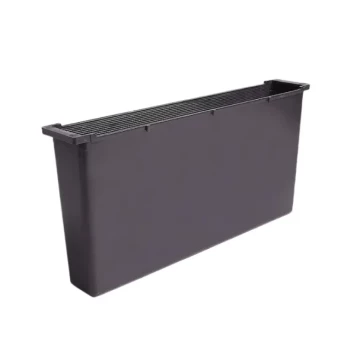
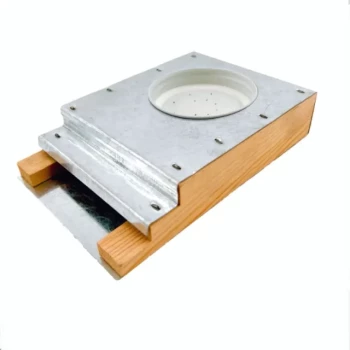
Professional bee feeders are the primary defense against environmental instability in commercial apiaries, providing a reliable source of clean water and artificial nutrition like syrup or pollen substitutes. By bridging the gap during periods of nectar scarcity or extreme drought, these devices ensure that a colony’s physiological needs are met without interruption. This intervention is critical for maintaining continuous queen egg-laying and population growth, preventing the colony from stalling or collapsing when natural resources fail.
Core Insight: In a commercial setting, a bee feeder is not just a food container; it is an energy management tool. It stabilizes the colony’s reproductive cycle against weather fluctuations and significantly preserves the caloric energy of worker bees, allowing the apiary to maintain consistent production levels despite external shortages.
The Physiological Impact on the Colony
Bridging Nutritional Gaps
Natural foraging sources are rarely consistent. Professional feeders allow the beekeeper to introduce artificial nutrition immediately when nectar flows stop or drought sets in.
This ensures the colony does not consume its winter stores prematurely or starve during a dearth.
Sustaining Reproductive Momentum
The queen bee’s egg-laying rate is directly tied to the incoming food supply. If the workers perceive a resource shortage, they will throttle food to the queen, causing her to stop laying.
Continuous feeding via professional equipment "tricks" the colony into perceiving a constant flow, ensuring the population curve continues to rise even when nature is dormant.
Conservation of Energy
Foraging for water and distant nectar sources is the most energy-intensive activity for a bee. The primary reference highlights that feeders reduce the energy expended by worker bees searching for distant water sources.
By providing resources in-hive or close by, you preserve the lifespan of the worker bees, keeping the workforce strong for when the actual honey flow begins.
Operational Advantages for Commercial Apiaries
Scaling Management Efficiency
In large-scale operations managing over 150 colonies, reliance on manual, ad-hoc feeding methods is unsustainable. Professional feeders are designed for high-density beekeeping, allowing for rapid deployment of feed across hundreds of hives.
This mechanization significantly reduces the labor intensity required to keep colonies alive during off-seasons.
Standardization and Consistency
Using industrial-grade feeding equipment ensures that every colony receives resources in a consistent manner. Just as standardized hive dimensions are critical for automation, standardized feeders allow for predictable management routines.
This consistency helps mitigate environmental risks across the entire apiary, ensuring uniform colony strength rather than a mix of strong and starving hives.
Understanding the Trade-offs
Hygiene and Disease Risk
While professional tools generally reinforce hygiene, feeders can become vectors for pathogens if not maintained. Residual syrup can ferment, or feeders can become drowning hazards if designed poorly.
Commercial operations must couple feeder use with the rigorous inspection protocols mentioned in the supplementary context to prevent cross-infection.
Dependency Risks
Over-reliance on feeders can mask genetic weaknesses. If a colony requires constant feeding to survive even minor gaps in natural forage, it may lack the genetic vigor or foraging drive necessary for a truly productive apiary.
Feeders should be used to smooth out environmental spikes, not to permanently prop up failing genetics.
Making the Right Choice for Your Goals
To determine how to integrate professional feeders into your operation, consider your immediate objectives:
- If your primary focus is Colony Growth: Prioritize feeders to maintain queen egg-laying continuity during minor dearths, ensuring your population peaks exactly when the main honey flow arrives.
- If your primary focus is Risk Management: Use feeders primarily as a hydration and emergency calorie system to prevent colony collapse during extreme drought or unexpected climatic shifts.
Ultimately, professional feeders transform beekeeping from a passive reliance on weather to an active, managed production system.
Summary Table:
| Key Benefit | Impact on Colony Development | Commercial Value |
|---|---|---|
| Nutritional Bridge | Prevents starvation during nectar dearths or droughts | Ensures 100% colony survival rate |
| Reproductive Momentum | Keeps the queen laying eggs consistently | Maximizes population for peak honey flow |
| Energy Conservation | Reduces flight time for foraging water/syrup | Extends worker bee lifespan and workforce strength |
| Operational Scaling | Standardizes feeding across 150+ colonies | Minimizes labor costs and management time |
Maximize Your Apiary’s Productivity with HONESTBEE
At HONESTBEE, we understand that for commercial apiaries and distributors, consistency is the foundation of profitability. Our professional-grade feeding systems are engineered to eliminate environmental risks, ensuring your colonies remain strong regardless of nectar scarcity.
As a comprehensive wholesale provider, we offer more than just feeders—we supply the full spectrum of beekeeping tools, from industrial honey-filling machines to hive-making hardware and essential consumables. Partner with us to access high-quality equipment that scales with your business needs.
Ready to stabilize your colony growth and boost your production levels? Contact HONESTBEE Today to Discuss Bulk Wholesale Solutions
References
- Ariadne Freitas Silva, Cristiane Alves Fogaça. Meliponário didático pedagógico. DOI: 10.30612/realizacao.v9i17.16118
This article is also based on technical information from HonestBee Knowledge Base .
Related Products
- HONESTBEE Professional Entrance Bee Feeder Hive Nutrition Solution
- HONESTBEE Entrance Bee Feeder Professional Hive Nutrition Solution for Beekeeping
- Professional In-Hive Frame Bee Feeder by HONESTBEE
- Professional Hive Front Entrance Bee Feeder
- HONESTBEE Professional Hive Top Bee Feeder Feeding Solution
People Also Ask
- What types of bee feeders are available for beginners? Start with the Simple Entrance Feeder
- What are the advantages and disadvantages of using an entrance feeder for bees? Balance Convenience and Hive Security.
- How does a bee entrance feeder work? A Simple Guide to Convenient Hive Feeding
- What is a bee entrance feeder and what are its drawbacks? Essential Guide to Hive Security and Feeding Efficiency
- How to make an entrance feeder for bees? A DIY Guide for Safe & Effective Feeding