A metal queen excluder is a controlled barrier between the brood chamber and honey supers. Its precisely spaced openings allow worker bees to pass upward while restricting the larger queen, preventing her from laying eggs in the honey-storage combs. Properly installed and managed, it helps produce cleaner, brood-free honey frames; however, it can also slow bee movement if poorly fitted, obstructed, or used at the wrong time.
A queen excluder supports organized honey production by separating brood rearing from honey storage. It is most useful when clean supers and efficient harvesting are priorities, but it should be treated as a management tool—not a permanently installed hive component.
How a Metal Queen Excluder Works
The grid controls bee movement
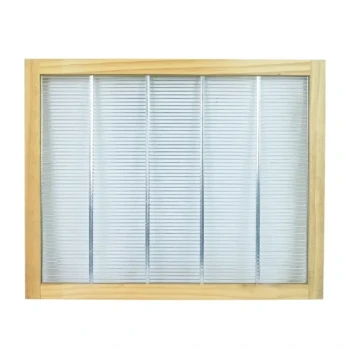
A metal queen excluder consists of a precision grid mounted in a frame. It is installed between the lower brood box and the upper honey supers.
Worker bees are small enough to pass through the openings. The larger queen is restricted to the brood area below, so she cannot normally enter the supers to lay eggs.
It separates brood from stored honey
Without an excluder, the queen may expand brood production into upper boxes. This can place eggs, larvae, and developing brood in frames intended for honey harvest.
By limiting the queen’s movement, the excluder helps keep the upper combs dedicated to nectar storage and honey ripening.
It affects drones as well
The openings are designed primarily around the size difference between worker bees and the queen. Drones are also generally unable to pass through the grid, so the excluder must not be obstructed by dead drones or other hive debris.
Where It Fits in a Hive Equipment Setup
Position it directly below the honey supers
The normal position is between the brood chamber and the first honey super. The excluder should lie flat and align correctly with the hive boxes so bees cannot bypass it around the edges.
For distributors and beekeepers, this makes the excluder a complementary component within a broader hive equipment portfolio that includes brood boxes, supers, frames, covers, and harvesting equipment.
Match the excluder to the hive configuration
The excluder should correspond to the hive box dimensions and equipment format being used. An incorrect size can create gaps, restrict access, or make routine inspections more difficult.
A well-fitting metal model provides a consistent barrier and is suited to repeated use in commercial or managed apiaries.
Operational Benefits for Honey Production
It keeps harvest comb cleaner
The primary production benefit is brood-free honey comb. Frames from the supers are less likely to contain eggs, larvae, or capped brood, simplifying inspection, removal, and extraction.
This is especially valuable when customers expect clean, uniform honey frames or when an operation needs predictable harvesting workflows.
It simplifies frame inspection and extraction
When brood is confined to the lower boxes, operators can inspect honey supers with a clearer purpose: evaluating nectar storage, capping, and readiness for harvest.
Separating brood and honey also reduces the risk of extracting frames that contain developing bees or mixed-purpose comb.
It supports structured commercial management
For commercial and highly organized honey production, the excluder provides a repeatable method for controlling where the queen can lay. This supports standardized hive layouts and more consistent handling across an apiary.
For suppliers, the product is therefore relevant not only as an individual accessory but also as part of a complete, efficiently sourced hive-equipment solution.
How to Use It Effectively
Install it only when the colony can support the separation
A queen excluder can slow movement between boxes, particularly when colonies are weak or the upper super has not yet been properly established.
Beekeepers should consider colony strength, nectar flow, and the bees’ ability to occupy the super before relying on the barrier for full production management.
Check the grid during inspections
Inspect the excluder for burr comb, propolis buildup, debris, and dead drones. Blocked openings reduce worker movement and can make the excluder function like a physical bottleneck.
The grid should remain clean enough for workers to pass freely, and the surrounding hive boxes should maintain a proper fit.
Consider an upper entrance
An upper entrance into the honey super can provide returning foragers with an additional route into the storage area. This may reduce congestion at the excluder and help maintain more efficient traffic between the field and the super.
Its suitability depends on the hive design, local conditions, and the beekeeper’s broader entrance-management practices.
Remove it when its function is no longer needed
Some operators remove the excluder after nectar storage is well established and the risk of brood expansion into the upper boxes has declined. This can allow freer movement between boxes while preserving the existing honey-storage arrangement.
The excluder should also be removed before overwintering where it could obstruct the winter cluster’s upward movement toward stored honey reserves.
Understanding the Trade-offs
It can restrict beneficial bee movement
Although worker bees can pass through the grid, the barrier still adds resistance between brood and storage areas. In some colonies, this may slow super occupation or reduce traffic through the transition point.
This is why some beekeepers refer to excluders informally as “honey excluders” when they believe the device is reducing honey-storage efficiency.
Poor maintenance reduces performance
A correctly dimensioned grid can still become ineffective if burr comb, propolis, or dead drones block the openings. Uneven installation or damaged metal can also create bypasses or movement restrictions.
Routine inspection is therefore part of the product’s operating requirement, not an optional extra.
It is not appropriate for every beekeeping approach
Apiaries practicing unrestricted or more natural beekeeping may intentionally omit queen excluders. Their management objective is not to maintain strict brood-and-honey separation.
The right decision depends on whether the priority is structured, clean harvesting or freer colony movement and natural brood expansion.
It does not replace colony management
An excluder limits the queen’s access to the supers, but it does not manage swarm pressure, colony strength, nectar flow, ventilation, or honey maturity.
It should be integrated into a complete management plan rather than treated as a standalone solution.
Making the Right Choice for Your Goal
Select and supply the excluder according to the operating model, hive format, and expected harvesting workflow.
- If your primary focus is clean, brood-free honey frames: Install a correctly sized metal queen excluder between the brood chamber and honey supers, then inspect it regularly for blockage.
- If your primary focus is commercial production consistency: Standardize excluder dimensions across compatible hive equipment and include them in a coordinated sourcing program for supers, frames, and related accessories.
- If your primary focus is maximum bee movement: Use the excluder selectively, consider an upper entrance, and remove it when queen restriction is no longer necessary.
- If your primary focus is natural or unrestricted colony development: Evaluate whether omitting the excluder better matches your management philosophy and harvesting objectives.
- If your primary focus is reliable equipment fulfillment: Work with a supplier able to confirm fit, provide responsive technical support, and coordinate fast delivery across the full hive-equipment portfolio.
Used with the right timing and maintenance, a metal queen excluder gives beekeepers precise control over the boundary between brood production and honey harvesting.
Summary Table:
| Aspect | Details |
|---|---|
| Function | Restricts queen, allows workers to pass |
| Placement | Between brood chamber and honey supers |
| Benefits | Clean, brood-free honey frames; easier extraction |
| Maintenance | Check for blockages (burr comb, propolis, drones) |
| Considerations | May slow movement; not suitable for all beekeeping |
| Removal | Remove before overwintering or when not needed |
Optimize your hive equipment with HONESTBEE. For commercial apiaries and distributors, we offer a full range of queen excluders and hive accessories. Benefit from one-stop sourcing, rapid delivery, and dedicated support. Contact us today to discuss wholesale pricing and supply reliability.
Related Products
- Metal Queen Bee Excluder for Beekeeping
- Premium Wood Framed Metal Wire Queen Bee Excluder
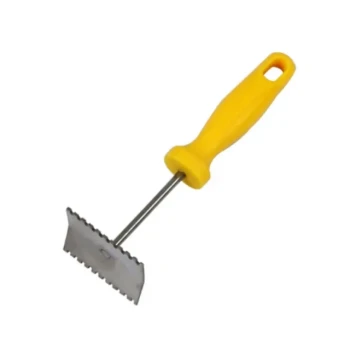
- Stainless Steel Scraper for Metal Queen Bee Excluders
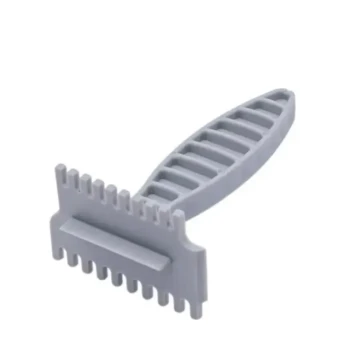
- Lightweight Durable Plastic Queen Excluder Scraper for Beekeeping
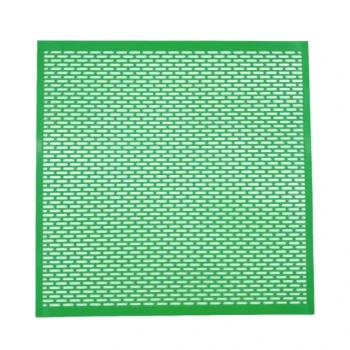
- High Performance Plastic Queen Excluder for Beekeeping and Apiary Management
People Also Ask
- Why are standardized hive frames and queen excluders essential for maintaining honey purity and quality? Scale Your Purity
- What types of queen excluders are available for beekeepers? Choose the Right Tool for Your Hive
- How does a queen-bee excluder function as a defense against Small Hive Beetles? Protect Your Honey with Resource Denial
- What is the primary function of a queen excluder within a commercial beehive? Ensure Purity in Honey Production
- Can a queen excluder be used as a propolis trap? Understand Bee Space for Better Hive Management