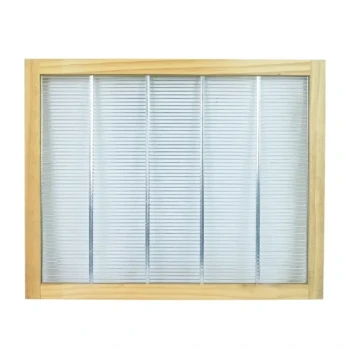
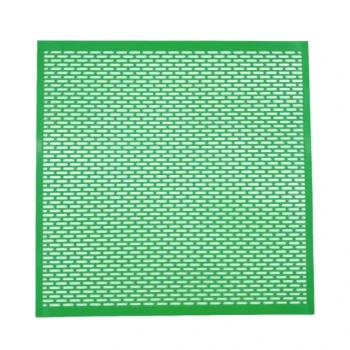
The function of a queen-bee excluder in Small Hive Beetle (SHB) management is primarily one of resource denial. By physically preventing the queen from entering the upper supers, the excluder ensures that no honeybee brood (eggs and larvae) exists in those sections. Since SHB larvae rely on honeybee brood as their primary food source, keeping the upper hive brood-free eliminates the specific environment the beetles need to reproduce successfully.
By limiting the queen's movement, the excluder restricts the presence of brood to the lower hive bodies. This isolates the beetle's reproductive grounds to a specific zone, allowing the colony to concentrate its defensive efforts rather than patrolling the entire hive for breeding threats.
The Mechanics of Resource Deprivation
Isolating the Food Source
The primary reference establishes that Small Hive Beetle larvae feed mainly on honeybee brood.
By installing an excluder, you create a physical barrier that the queen cannot pass, but worker bees can.
This ensures the upper boxes (supers) contain only honey and pollen, effectively starving potential beetle larvae of the protein-rich brood they require to develop.
Reducing Breeding Space
Without access to brood in the upper supers, the beetles are forced to attempt reproduction only in the lower brood box.
This significantly reduces the total surface area within the hive that is vulnerable to infestation.
The upper supers become a "safe zone" where the risk of slime-outs caused by beetle larvae is drastically minimized.
Enhancing Colony Defense
Concentrating Defensive Behavior
Because the excluder limits the potential breeding ground to the bottom box, the colony's defensive strategy becomes more efficient.
Worker bees do not have to defend the entire vertical stack against active beetle reproduction.
They can concentrate their defenses in the lower brood chamber, where the queen and brood are located.
Facilitating Beetle Removal
When the beetles are forced to congregate in the lower hive to find reproductive sites, they become easier targets for the workers.
With the threat localized, worker bees can more effectively corral, harass, and drive the adult beetles out of the hive.
Understanding the Limitations
It Does Not Stop Adult Beetles
It is critical to understand that the excluder is not a physical barrier to the adult Small Hive Beetle.
Adult beetles are small enough to pass through the slots of the excluder and move between boxes.
The device stops the reproduction cycle in the upper supers, not the movement of the adult pests themselves.
Dependence on Colony Strength
The excluder assists the bees, but it does not replace the need for a strong population.
If the colony is weak, concentrating the beetles in the bottom box can still overwhelm the workers.
The excluder is a force multiplier for defense, not a standalone cure.
Making the Right Choice for Your Goal
To effectively utilize a queen excluder as part of your Integrated Pest Management strategy, consider your specific objectives:
- If your primary focus is protecting your honey crop: Use the excluder to ensure supers remain brood-free, preventing beetle larvae from destroying the honey harvest with slime.
- If your primary focus is supporting a recovering colony: Ensure the lower brood box is dense with bees before adding the excluder, so the workforce is strong enough to manage the concentrated beetle threat below.
By strategically limiting where brood can exist, you dictate the terms of the battle, giving your bees a distinct tactical advantage.
Summary Table:
| Mechanism | Impact on Small Hive Beetles (SHB) | Benefit to Beekeeper |
|---|---|---|
| Resource Denial | Prevents queen access to supers, ensuring no brood (SHB food) exists there. | Protects honey supers from larval damage and 'slime-outs'. |
| Area Restriction | Limits SHB breeding grounds to the lower brood chamber only. | Simplifies hive management and pest monitoring efforts. |
| Defense Focus | Concentrates worker bee defensive behavior in a smaller, localized area. | Increases the colony's ability to corral and remove adult beetles. |
| Physical Barrier | Restricts queen movement while allowing workers and adult beetles to pass. | Maintains hive organization and ensures clean, brood-free honey. |
Elevate Your Apiary Management with HONESTBEE
Protecting your honey harvest requires the right strategy and the highest quality equipment. HONESTBEE is dedicated to supporting commercial apiaries and distributors with a comprehensive wholesale range of beekeeping solutions. From precision-engineered queen excluders and hive-making machinery to professional honey-filling lines and essential consumables, we provide everything you need to scale your operations and combat pests like the Small Hive Beetle effectively.
Partner with a supplier that understands the complexities of large-scale beekeeping. Contact HONESTBEE today to discuss our wholesale offerings and industrial equipment solutions—let’s grow your business together!
References
- Ayşe Ebru BORUM. BIOSECURITY AND GOOD BEEKEEPING PRACTICES IN BEEKEEPING. DOI: 10.31467/uluaricilik.1175874
This article is also based on technical information from HonestBee Knowledge Base .
Related Products
- Premium Wood Framed Metal Wire Queen Bee Excluder
- High Performance Plastic Queen Excluder for Beekeeping and Apiary Management
- Metal Queen Bee Excluder for Beekeeping
- Wooden Queen Bee Excluder for Beekeeping
- Stainless Steel Scraper for Metal Queen Bee Excluders
People Also Ask
- What types of queen excluders are available for beekeepers? Choose the Right Tool for Your Hive
- Why are standardized hive frames and queen excluders essential for maintaining honey purity and quality? Scale Your Purity
- What is the purpose of an entrance queen excluder? Prevent Absconding and Stabilize Your New Honeybee Colony
- What is the function of a queen excluder? Maximize Honey Yield and Ensure Data Integrity for Your Apiary
- Why is a queen excluder necessary for maintaining honey quality? Ensure Purity in Commercial Beekeeping