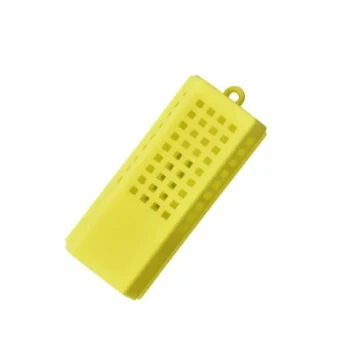
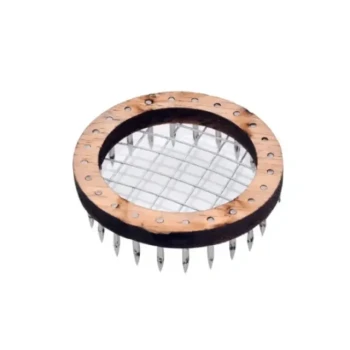
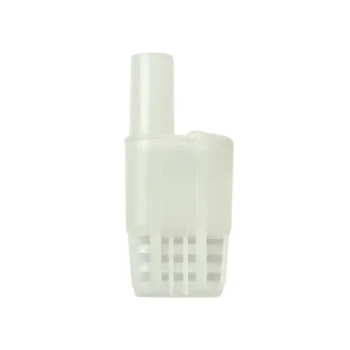
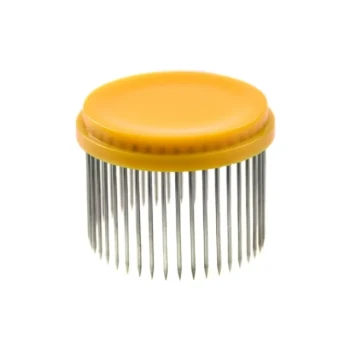
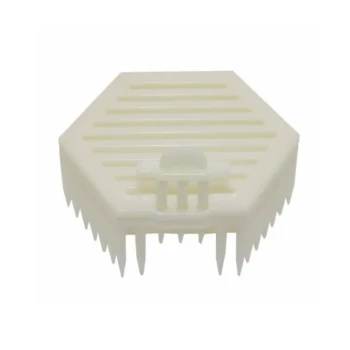
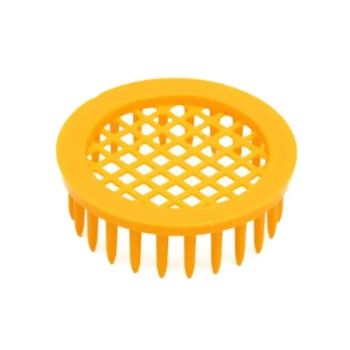
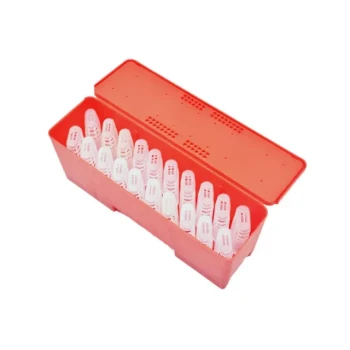
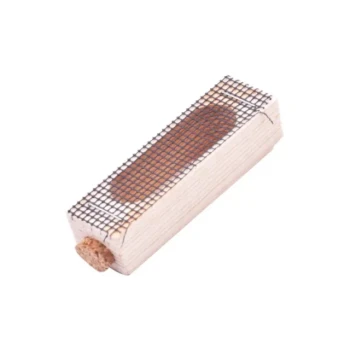
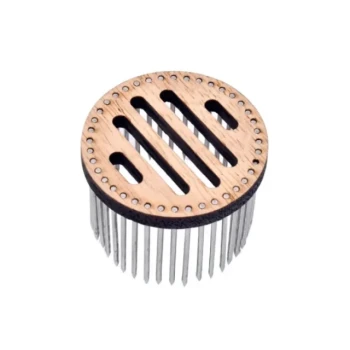
The Modular Cage-Style Queen Rearing System simplifies honeybee queen production by replacing the high-skill task of manual grafting with a hardware-based, automated egg-laying process. By confining the queen within a plastic grid, she is forced to lay eggs directly into removable plastic plugs, ensuring precise larval positioning every time. This systematic approach allows even less-experienced beekeepers to produce high-quality queens at scale while significantly reducing the risk of larval damage.
This system transforms queen rearing from a delicate art into a standardized manufacturing process. By integrating specialized hardware to control egg placement, distributors can offer a solution that guarantees higher larval acceptance rates and lower labor costs for commercial apiaries.
Eliminating the Grafting Barrier
Automated Larval Positioning
Manual grafting requires steady hands and exceptional eyesight to move microscopic larvae without injury. This modular system uses a plastic grid cage to confine the queen to a specific area where she lays eggs directly into pre-positioned plugs.
This hardware-driven approach eliminates the "human error" factor. It ensures that every larva is perfectly centered and ready for transfer without ever being touched by a grafting tool.
Minimizing Mechanical Damage
Traditional grafting carries a high risk of desiccation or physical trauma to the delicate young larvae. Because the queen lays directly into the integrated cell cups, there is zero physical contact required during the most sensitive stage of development.
For the professional beekeeper, this results in higher survival rates and more robust queens. For the distributor, it means providing a product that delivers immediate, measurable improvements in hive productivity.
Streamlining Large-Scale Operations
Standardized Rearing Frames
The modular system utilizes specialized queen rearing frames that act as carriers for multiple units. These frames consolidate individual cells into a single, manageable structure that fits seamlessly into standard hive equipment.
This standardization allows for rapid response times when managing hundreds of queens simultaneously. It simplifies the workflow by allowing nurse bees to focus their royal jelly production on a concentrated area.
Scalable Genetic Propagation
Commercial breeders use these systems to replicate superior genetic traits—such as disease resistance and high foraging ability—across hundreds of colonies. The modular nature of the equipment allows for easy expansion as the operation grows.
By offering a comprehensive product portfolio that includes these modular systems, wholesalers can position themselves as partners in their clients' genetic improvement programs. This builds long-term value beyond a simple equipment sale.
Enhancing Colony Health and Data
Integrated Mite Management
Beyond queen production, these cages can be used to create artificial broodless periods. By temporarily restricting the queen's laying activity, beekeepers can force Varroa mites onto adult bees, making oxalic acid treatments significantly more effective.
This dual-purpose functionality increases the profit potential for the end-user. It transforms a specialized breeding tool into an essential component of a holistic integrated pest management (IPM) strategy.
Quantitative Performance Monitoring
Professional monitoring cages allow breeders to evaluate queen phenotypes by isolating egg-laying behavior from the social complexities of the hive. This provides the quantitative data necessary for high-level strain selection.
Having access to this level of precision allows commercial apiaries to guarantee high-fecundity queens. This expertise is a key selling point for distributors targeting high-end professional breeders.
Understanding the Trade-offs
Initial Investment and Equipment Management
The primary downside of a modular system is the upfront hardware cost compared to traditional grafting needles. Apiaries must commit to a specific ecosystem of plugs and cages, which requires careful inventory management.
Learning Curve for Queen Acceptance
While the system simplifies the "work," it does not eliminate the need for proper colony timing. If the cell starter colony is not correctly prepared, the bees may still reject the larvae, regardless of how perfectly they were positioned by the hardware.
Applying This to Your Distribution Strategy
Choosing the Right Approach for Your Clients
- If your primary focus is high-volume commercial apiaries: Emphasize the labor-saving benefits and the ability to standardize production across multiple teams.
- If your primary focus is hobbyist or boutique breeders: Highlight the "non-grafting" aspect to appeal to those who lack the specialized skills for manual transfer.
- If your primary focus is genetic improvement programs: Focus on the monitoring and isolation capabilities of the modular cages to support data-driven breeding.
By leveraging deep professional industry expertise and a commitment to ultra-fast delivery, distributors can provide the essential infrastructure needed to modernize queen production globally.
Summary Table:
| Feature | How It Simplifies Production | Benefit for Distributors/Wholesalers |
|---|---|---|
| Automated Egg-Laying | Queen lays directly into plugs; no manual grafting needed. | Appeals to all skill levels; reduces product returns. |
| Standardized Frames | Consolidates cells into uniform, manageable carrier units. | Simplifies inventory for standard hive equipment. |
| Zero-Contact Design | Protects delicate larvae from mechanical damage/desiccation. | Higher success rates lead to increased customer loyalty. |
| Dual-Purpose Use | Can be used for Varroa mite management via brood restriction. | Increases product value and sell-through potential. |
| Scalable Hardware | Modular units allow for rapid expansion of queen production. | High-volume repeat orders for plugs and consumables. |
Partner with HONESTBEE to Modernize Your Beekeeping Supply Chain
Are you looking to provide your clients with the latest in honeybee breeding technology? HONESTBEE specializes in catering to commercial apiaries and B2B resellers with a comprehensive wholesale offering. From modular queen rearing systems and hive-making machinery to honey-themed cultural merchandise, we are your one-stop sourcing partner.
Why Choose HONESTBEE?
- Full-Spectrum Portfolio: Access everything from specialized hardware to essential industry consumables.
- B2B-Focused Support: Benefit from high profit margins, OEM/ODM capabilities, and deep professional industry expertise.
- Operational Excellence: Experience ultra-fast delivery, rapid response times, and efficient order fulfillment designed for large-scale operations.
Don't let supply chain delays slow your growth. Contact us today to request a wholesale catalog and pricing and see how our premium trading services can support your business.
References
- سیدابراهیم فرخاری. مروری بر روشهای پرورش ملکه زنبور عسل. DOI: 10.62810/jns.v7i1.10
This article is also based on technical information from HonestBee Knowledge Base .
Related Products
- Premium Nicot Style Queen Rearing Kit with Hair Roller Bee Cages
- Professional Multi-Functional Queen Bee Cage
- Professional Multi-Compartment Queen Cage with Sliding Lid
- Professional Queen Cage with Sliding Gate and Feeder Plug
- Premium Nicot Style Cell Bar Holder and Queen Cell Cup Holder System
People Also Ask
- What is the primary function of a queen rearing kit? Eliminate Manual Grafting for Superior Bee Breeding
- What are some alternative methods to grafting for queen cell production? Discover Graft-Free Queen Rearing Systems
- How do specialized queen rearing kits and queen management tools improve the success rate of bee colony expansion?
- How do modern queen bee rearing and breeding kits improve apiary management? Transition to Proactive Precision Breeding
- How is 'active' queen rearing defined in beekeeping? Master Intentional Colony Management & Genetic Control