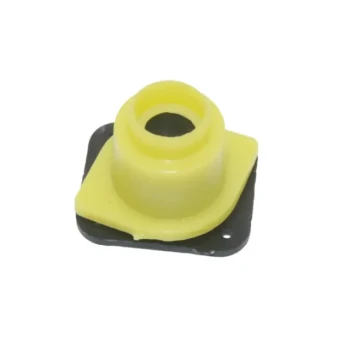
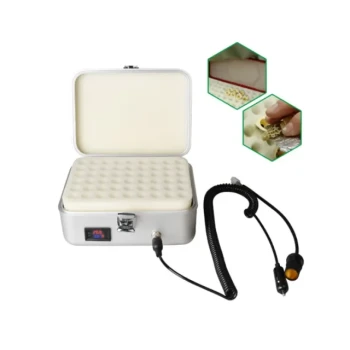
The primary function of a queen rearing kit is to allow a queen bee to lay eggs directly into removable plastic plugs, thereby automating the transfer process. This specific design allows beekeepers to secure viable larvae for queen production without the risks associated with manually moving them.
The core value of a queen rearing kit is that it eliminates the need for manual grafting. It ensures the larvae are physically undamaged and of the exact age required for successful queen development.
The Mechanics of the System
The Role of the Plastic Plug
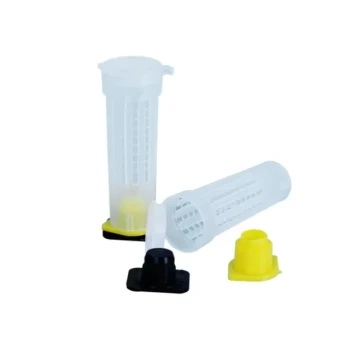
The fundamental innovation of the kit is the plastic plug. Instead of laying eggs into a wax honeycomb cell that is fixed to a frame, the queen deposits eggs into these removable cups.
Confining the Queen
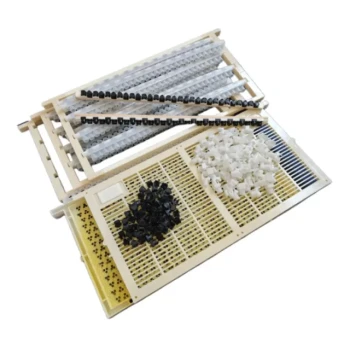
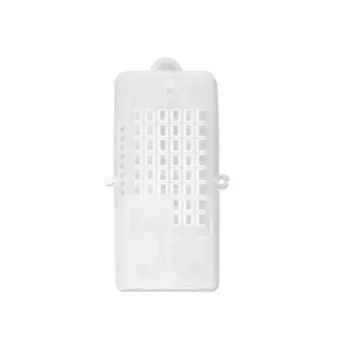
To force the queen to use these specific plugs, the kit utilizes a plastic comb box fitted with a front queen excluder plate. This plate confines the queen to the box while allowing worker bees to pass through and tend to her.
Seamless Transfer
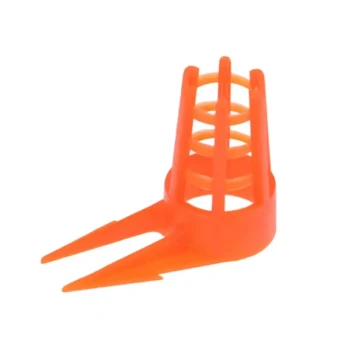
Once the eggs hatch, the plugs can be removed from the rear cover plate without touching the larvae. These plugs are then inserted into queen cell starter caps and attached to cup holders on a frame bar, ready for the colony to raise as new queens.
Solving the "Grafting" Problem
Eliminating Manual Handling Risks
Traditional queen rearing requires "grafting"—the manual use of tools to scoop minute larvae out of cells. This process is delicate; a slight mistake can damage the larva or deprive it of royal jelly.
Protecting Larval Health
By allowing the queen to lay directly into the rearing vessel, the larva remains untouched. This dramatically increases the survival rate by removing the variable of human error during transfer.
Ensuring Precise Larval Age
Successful queen rearing depends on using larvae that are just hours old. Because the beekeeper controls exactly when the queen enters and leaves the confinement box, the age of the larvae is guaranteed to be correct.
Understanding the Trade-offs
Equipment Management vs. Skill Acquisition
While this system reduces the need for high manual dexterity (grafting skills), it increases the equipment burden. The kit involves multiple small components like plugs, caps, and covers that must be cleaned, stored, and assembled.
Acceptance Rates
Sometimes, a queen may be reluctant to lay in the plastic cups immediately. It may require acclimation or coating the plastic with a thin layer of wax or honey to encourage the queen to accept the artificial environment.
Making the Right Choice for Your Goal
To determine if a queen rearing kit is the right approach for your apiary, consider your specific constraints:
- If your primary focus is avoiding manual grafting: The kit is the superior choice, as it bypasses the need for fine motor skills and specialized needles.
- If your primary focus is ensuring specific larval timing: The kit provides the highest control, allowing you to calculate the exact age of the larvae based on the queen's confinement window.
By removing the physical risks of transfer, a queen rearing kit turns a delicate surgical procedure into a manageable mechanical process.
Summary Table:
| Feature | Traditional Manual Grafting | Queen Rearing Kit |
|---|---|---|
| Larva Handling | Manual scoop (high risk) | Untouched in plastic plug |
| Success Rate | Depends on operator skill | High (human error removed) |
| Larval Age | Estimated by size | Guaranteed by confinement |
| Equipment | Grafting tool & wax cells | Comb box, plugs, & cell caps |
| Key Benefit | Low initial equipment cost | Better larva health & survival |
Scaling Your Queen Production with HONESTBEE
Are you looking to streamline your apiary's breeding process? At HONESTBEE, we specialize in empowering commercial apiaries and distributors with high-performance beekeeping solutions. Our comprehensive wholesale catalog includes premium queen rearing kits, hive-making machinery, and honey-processing equipment designed for efficiency.
Whether you need precision hardware or essential industry consumables, our portfolio offers the reliability required to sustain large-scale operations. Contact us today to optimize your supply chain and see how our tools can bring professional-grade results to your business.
Related Products
- Premium Nicot Style Queen Rearing Kit with Hair Roller Bee Cages
- Jenter Queen Rearing Kit Complete Set for Bee Breeding
- Nicot Queen Rearing Kit for Beekeeping and Grafting in Nicot System
- No Grafting Queen Rearing Kit: System for Royal Jelly Production and Queen Rearing
- Retractable Chinese Queen Rearing Grafting Tools Equipment
People Also Ask
- What are some alternative methods to grafting for queen cell production? Discover Graft-Free Queen Rearing Systems
- How do specialized queen rearing kits and queen management tools improve the success rate of bee colony expansion?
- How do modern queen bee rearing and breeding kits improve apiary management? Transition to Proactive Precision Breeding
- How is 'active' queen rearing defined in beekeeping? Master Intentional Colony Management & Genetic Control
- What components are typically included in a queen rearing kit? Simplified Non-Grafting Systems for Success