Ultrasonic cleaning baths utilize acoustic cavitation to fundamentally alter the cellular structure of bee products like pollen, bee bread, and propolis. By generating high-frequency mechanical vibrations and shear forces, the bath ruptures microscopic cell walls, allowing extraction solvents to penetrate the material rapidly and release phenolic compounds without the need for aggressive heat.
Core Insight: The primary value of ultrasonic extraction is the ability to achieve high yields of bioactive compounds at low temperatures. By replacing thermal energy with mechanical energy (cavitation), you preserve heat-sensitive phenols that would otherwise degrade in traditional boiling or reflux methods.
The Mechanism of Extraction
Acoustic Cavitation
The process begins when the ultrasonic bath generates high-frequency pressure waves within the solvent.
This creates cavitation bubbles—microscopic voids that expand and collapse violently.
Mechanical Shear Forces
When these bubbles collapse, they generate intense shear forces, micro-jets, and shock waves in the immediate vicinity.
These physical forces act like microscopic hammers, battering the solid matter suspended in the solvent.
Cellular Disruption and Penetration
For complex matrices like bee pollen and bee bread, these forces effectively break down cellular structures and barriers.
Once the cell walls are ruptured, the solvent can penetrate the material instantly, dissolving and extracting the target phenolic compounds.
Key Processing Advantages
Preservation of Bioactivity
Phenolic compounds and flavonoids are often heat-sensitive and can degrade rapidly at high temperatures.
Ultrasonic extraction is effective at lower temperatures (e.g., 40°C), ensuring the maximum enrichment of these active substances without thermal damage.
Increased Yield
By physically breaking apart the sample matrix, the solvent contacts a larger surface area of the material.
This results in a significantly higher yield of phenolic components compared to passive soaking or simple mechanical stirring.
Process Efficiency
The combination of rapid cell disruption and enhanced solvent penetration drastically shortens the processing time.
What might take hours using traditional maceration can often be achieved in minutes with ultrasonic assistance.
Understanding the Trade-offs
Heat Generation Monitoring
While the process allows for low-temperature extraction, the mechanical energy of ultrasound eventually converts to heat.
Operators must monitor the bath temperature to ensure it does not rise inadvertently during long cycles, which would negate the preservation benefits.
Matrix Destruction
The shear forces are destructive by nature.
If the goal is to keep the physical structure of the bee pollen granule intact for visual or textural reasons, this method is unsuitable as it pulverizes the material.
Making the Right Choice for Your Goal
To determine if ultrasonic extraction aligns with your processing needs, consider your specific targets:
- If your primary focus is Bioactive Potency: Use this method to maintain low temperatures (around 40°C) to protect sensitive flavonoids and phenols from thermal degradation.
- If your primary focus is Efficiency/Throughput: Implement ultrasonic baths to drastically reduce extraction times while maximizing the solvent's ability to recover compounds from complex matrices.
- If your primary focus is Structural Integrity: Avoid this method, as the cavitation effect is designed to disintegrate cellular barriers and will destroy the physical form of the bee product.
Ultrasonic extraction offers a superior balance of speed and preservation for maximizing the recovery of therapeutic compounds from bee products.
Summary Table:
| Feature | Traditional Maceration | Ultrasonic Extraction |
|---|---|---|
| Mechanism | Passive Solvent Soaking | Acoustic Cavitation & Shear Forces |
| Process Time | Hours to Days | Minutes |
| Temperature | Often Requires Heat | Effective at Low Temp (≤40°C) |
| Compound Yield | Lower | Significantly Higher |
| Bioactivity | Risk of Thermal Degradation | Maximum Preservation |
| Physical State | Maintains Structure | Pulverizes/Disintegrates Matrix |
Elevate Your Bee Product Processing with HONESTBEE
Maximize the bioactive potency of your pollen and propolis extracts with professional-grade equipment. HONESTBEE provides commercial apiaries and distributors with the high-performance machinery needed to scale production while maintaining therapeutic quality.
From specialized honey-filling and hive-making machines to a full spectrum of beekeeping tools and essential consumables, we empower your business with industry-leading technology.
Ready to optimize your extraction yield? Contact our expert team today to discover how our wholesale solutions can enhance your efficiency and product value.
References
- Nesrin Ecem Bayram, Aslı Özkök. Phenolic and free amino acid profiles of bee bread and bee pollen with the same botanical origin – similarities and differences. DOI: 10.1016/j.arabjc.2021.103004
This article is also based on technical information from HonestBee Knowledge Base .
Related Products
- Professional Stainless Steel Honey Filtering Machine with Water Bath Heating for Beekeeping
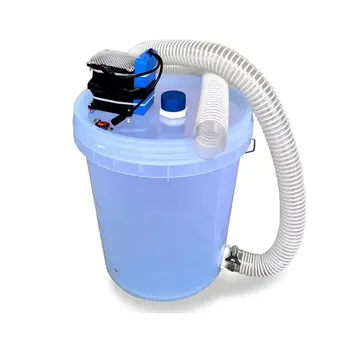
- Portable Electric Bee Vacuum with Lithium Battery and 20L Collection Bucket
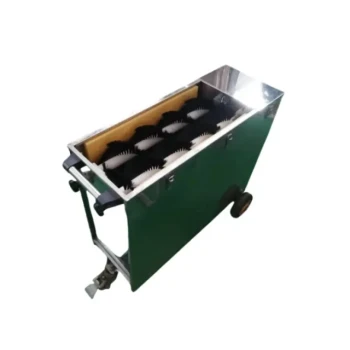
- Commercial Grade Vertical Electric Bee Sweeper for Bee Removal
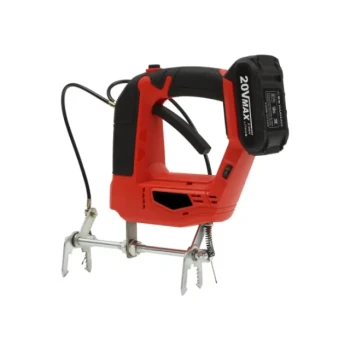
- High Performance Cordless Electric Bee Shaker for Beekeeping
People Also Ask
- What is the best way to filter honey? A Guide to Quality, Clarity, and Raw Preservation
- Is it necessary to filter honey after extraction? A Guide to Straining vs. Raw Honey
- Why is filtering honey an important step in honey processing? Ensure Purity, Clarity & Marketability
- Why do people filter honey? For Clarity, Stability, and Consumer Appeal
- What are the benefits of using honey filters? Achieve Purity, Efficiency, and Market Appeal