An upper entrance acts as a dynamic regulation tool for the hive, adapting its function to meet the distinct challenges of different seasons. In winter, it serves primarily as an exhaust port for moisture and stale air, while during the summer honey flow, it transforms into a vital ventilation shaft and a high-efficiency shortcut for foraging bees.
By decoupling the hive's ventilation needs from its entrance needs, an upper opening allows you to stabilize the internal environment. It prevents fatal moisture buildup in the cold and reduces heat stress during peak production.
Winter Dynamics: The Battle Against Moisture
The primary threat to a colony in winter is not the cold itself, but the combination of cold and wet conditions.
The Chimney Effect
Heat naturally rises within the hive. An upper entrance, often created by a notch in the inner cover or a spacer shim, utilizes this physics to create a passive airflow.
This allows warm, moisture-laden air generated by the bee cluster to escape rather than getting trapped at the top of the hive.
Preventing Condensation
Without an upper escape route, warm moist air hits the cold inner cover and condenses into water droplets.
This cold water can drip back down onto the cluster. If the bees become wet during freezing temperatures, the colony will likely perish.
Summer Dynamics: Maximizing Production
As temperatures rise and the nectar flow begins, the colony's needs shift from conservation to high-volume traffic and heat management.
Critical Ventilation
High external temperatures and the metabolic heat of thousands of active bees can overheat the hive.
An upper entrance works in tandem with the lower entrance to create a cross-draft. This helps the bees regulate the internal temperature efficiently without expending excessive energy on fanning.
Efficient Forager Access
During a large honey flow, speed is essential. Nectar is typically stored in the upper boxes (honey supers).
An upper entrance allows foragers to fly directly into the supers to offload nectar. This bypasses the brood nest, reducing congestion in the lower hive and speeding up turnaround times.
Understanding the Trade-offs
While beneficial, upper entrances introduce variables that must be managed to maintain the consistent warmth and stable environment mentioned in the supplementary references.
Managing Heat Retention
While ventilation is necessary, too much airflow in early spring can be detrimental.
Bees need to keep the brood nest consistently warm to rear new larvae. An upper entrance that is too large during cool spring nights may vent too much precious heat.
Defense Challenges
An upper entrance adds a second point of entry that the colony must guard.
If a colony is weak or the nectar flow stops (dearth), an unguarded upper entrance can make the hive vulnerable to robbing by wasps or other bees.
Optimizing Your Hive Setup
To get the most out of an upper entrance, you must adjust your strategy based on your immediate objective.
- If your primary focus is Overwintering: Ensure the upper opening is shielded from direct wind and is just large enough to vent moisture without draining all the colony's heat.
- If your primary focus is Honey Production: Open the upper entrance fully to allow maximum traffic flow directly into the honey supers, reducing travel time for foragers.
- If your primary focus is Colony Security: Monitor the entrance closely during nectar dearths and close it if you notice signs of robbing or if the colony population is low.
Properly managed, an upper entrance changes from a simple hole in the box to a critical control valve for hive health.
Summary Table:
| Season | Primary Function | Key Benefit |
|---|---|---|
| Winter | Moisture Exhaust | Prevents condensation and colony freezing |
| Spring | Heat Regulation | Balances brood warmth with fresh air |
| Summer | Forager Shortcut | Reduces congestion and speeds up nectar storage |
| Summer | Ventilation | Lowers internal heat stress through cross-drafts |
| Year-round | Air Quality | Ensures constant supply of oxygen and removal of stale air |
Elevate Your Apiary’s Productivity with HONESTBEE
Optimizing your hive dynamics is just the first step. To truly scale your operations, you need professional-grade equipment that works as hard as your bees. HONESTBEE specializes in supporting commercial apiaries and distributors with a complete wholesale range of beekeeping solutions.
From high-precision hive-making and honey-filling machines to durable hardware and essential consumables, we provide the tools you need to maximize efficiency and honey yields. Whether you are stocking up on specialized beekeeping tools or looking for honey-themed merchandise to expand your brand, our portfolio is designed for your success.
Ready to upgrade your beekeeping operation?
Contact HONESTBEE Today for Wholesale Inquiries
Related Products
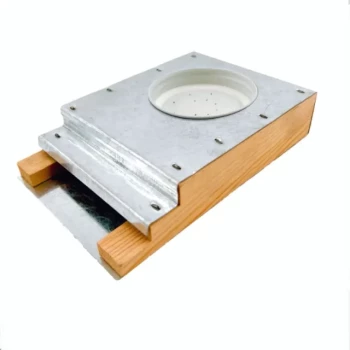
- Multi-Functional Sliding Hive Entrance for Beekeeping
- Professional Reversible Beehive Hive Entrance
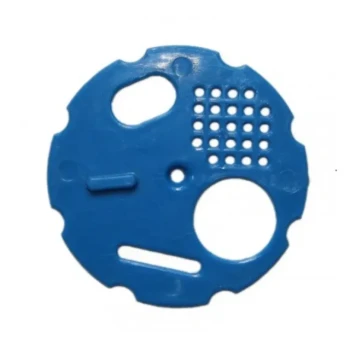
- Beehive Entrance Discs Plastic Bee Entrance Disc for Bee Hives
- Professional Hive Front Entrance Bee Feeder
- Multi-Functional Rotary Hive Entrance Disc for Beekeeping
People Also Ask
- What roles does the hive entrance (piquera) play in beehive management and colony health? Essential Guide for Pro Apiaries
- Where is the hive entrance typically located? Optimize Your Hive's Health and Honey Production
- What role does the size of the entrance play in hive ventilation? Master Beehive Climate Control
- What is the best entrance for a bee hive? Maximize Colony Health & Honey Production
- What happens if you block the entrance to a bee hive? Avoid This Dangerous Mistake