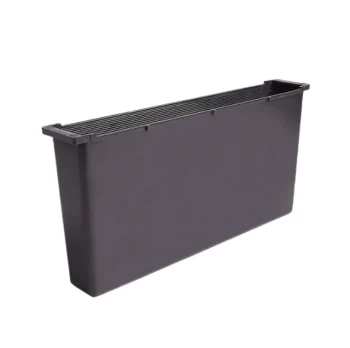
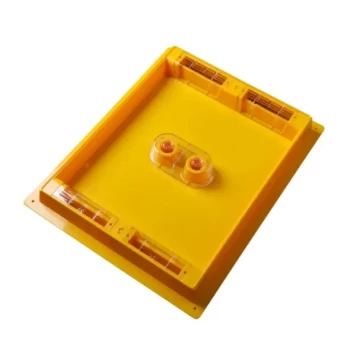
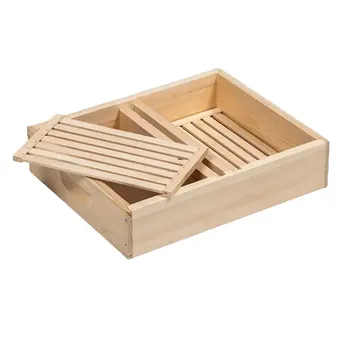
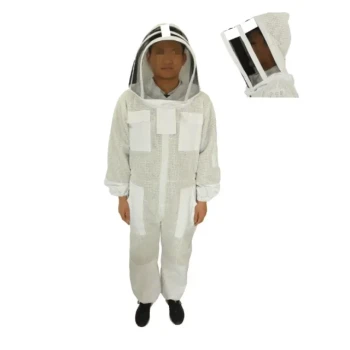
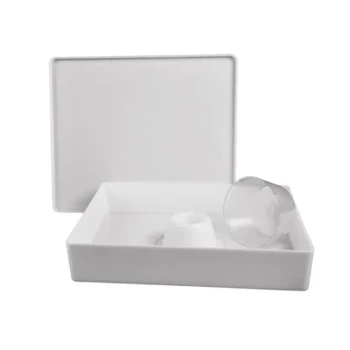
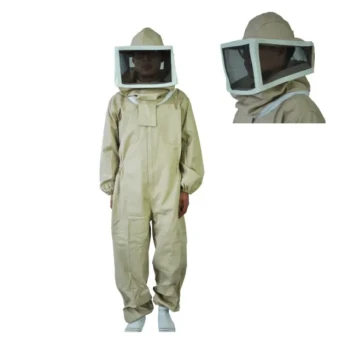
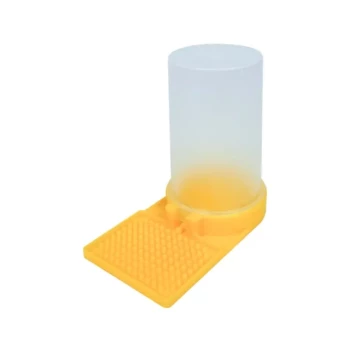
Protective overwintering and feeding equipment help prevent covert viral infections from becoming active outbreaks by reducing the colony stress that allows viruses to replicate rapidly. When bees have reliable nutrition and a stable hive climate during forage shortages, autumn, and winter, their physiological condition is better maintained. This supports longer adult bee lifespans and reduces the risk of sudden colony depopulation associated with viruses such as ABPV, CBPV, and DWV.
The key principle is stress reduction: equipment does not remove viruses from a colony, but it helps preserve the host–virus balance by maintaining adequate nutrition and a more stable hive environment.
Why Covert Infections Become Dangerous
Viruses Can Remain Asymptomatic
Honey bee colonies may carry viral infections without showing obvious disease. In this covert state, the virus and the colony remain in a relatively stable balance.
The presence of a virus therefore does not automatically mean an outbreak is imminent. The greater risk arises when colony conditions deteriorate.
Stress Can Trigger Viral Replication
Environmental, biological, and nutritional stress can weaken the colony’s ability to maintain that balance. Dormant or low-level viruses may then replicate more rapidly and become associated with visible disease.
This transition can occur during periods when colonies are already vulnerable, particularly forage shortages and overwintering.
Colony Decline Can Accelerate Quickly
Once viral activity increases, adult bee longevity may be reduced. A shrinking adult population can further impair thermoregulation, brood care, and food management, creating a cycle of additional stress.
The result may be rapid autumn or winter depopulation rather than a gradual, easily managed decline.
How Feeding Equipment Reduces Viral Risk
It Maintains Nutrition During Forage Gaps
Specialized feeding equipment allows beekeepers to supply food when natural forage is insufficient or unavailable. This helps reduce nutritional stress during late-season shortages and other periods of limited forage.
Consistent access to feed supports the colony’s basic physiological demands when external food sources cannot be relied upon.
It Improves Feeding Reliability
Appropriate feeders help make supplemental feeding more controlled and dependable. Reliable delivery is particularly important when weather, seasonal conditions, or local forage limitations prevent bees from meeting their nutritional needs independently.
The objective is not simply to provide feed once, but to reduce avoidable interruptions in colony nutrition.
It Supports Adult Bee Retention
Nutritional stress can contribute to weakened colonies and shorter adult bee lifespans. By helping maintain adequate food availability, feeding equipment supports the population needed to sustain the colony through difficult periods.
A stronger adult population is better positioned to maintain internal hive functions and resist compounding stress.
How Overwintering Equipment Stabilizes the Hive
It Reduces Environmental Stress
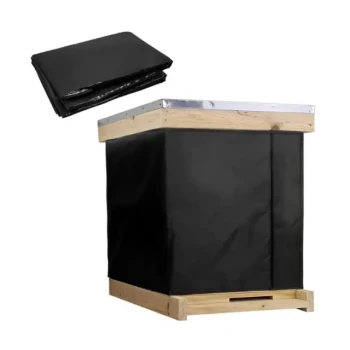
Climate-protective overwintering hive equipment helps moderate the colony’s exposure to adverse external conditions. Stable hive conditions reduce the physiological effort bees must expend responding to environmental extremes.
This is important because energy spent coping with unstable conditions is energy not available for maintaining colony health.
It Helps Preserve Colony Stability
Overwintering equipment contributes to a more consistent hive environment during the period when colonies are especially sensitive to population loss and food limitations.
By reducing environmental disruption, it helps preserve the host–virus balance that can otherwise be disturbed by winter stress.
It Protects Against Compounding Problems
A poorly protected colony may experience several pressures at once: inadequate food, environmental instability, and a declining adult population. These factors can reinforce one another and increase the likelihood that covert infections become active.
Overwintering equipment is therefore part of a broader risk-reduction system rather than an isolated disease-control product.
Why Equipment Works as Part of a System
Disease Prevention Begins With Colony Conditions
Protective equipment addresses the conditions that allow viral problems to escalate. It does not function as a direct antiviral treatment, nor does it eliminate viruses already present in the colony.
Its value lies in reducing preventable stress before the colony reaches a critical state.
Feeding and Overwintering Measures Complement Each Other
Feeders address nutritional pressure, while climate-protective equipment addresses environmental pressure. Used together, they reduce two major categories of stress that can disrupt colony stability.
This combined approach is more comprehensive than relying on either feeding or hive protection alone.
Reliable Supply Supports Timely Intervention
For distributors, wholesalers, and B2B resellers, availability is part of the practical disease-prevention value. Equipment that arrives too late for a forage shortage or overwintering preparation cannot provide its intended protection.
A full-spectrum supplier, rapid response capability, and efficient order fulfillment help beekeepers obtain the right equipment before seasonal stress intensifies.
Understanding the Trade-offs
Equipment Does Not Guarantee Disease-Free Colonies
Even well-fed and well-protected colonies may carry viruses or develop disease. Equipment reduces stress-related risk, but it is not a substitute for sound apiary management, observation, and appropriate disease-control practices.
The correct claim is risk reduction, not complete prevention.
Poor Equipment Selection Can Limit Results
A feeder or overwintering product must be suitable for the colony, hive configuration, climate, and management system. An unsuitable product may provide inadequate protection or create additional handling challenges.
Professional product guidance is particularly valuable for resellers serving different apiary environments.
Overreliance on Supplemental Protection Is a Mistake
Feeding equipment and overwintering protection should support, not replace, routine colony assessment. Beekeepers still need to monitor food stores, adult bee population, seasonal conditions, and signs of abnormal colony decline.
The strongest approach combines equipment with timely management decisions.
Making the Right Choice for Your Goal
The most effective purchasing strategy is to match equipment selection with the specific stressors your customers or colonies face.
- If your primary focus is overwintering survival: Prioritize climate-protective hive equipment that helps maintain a stable colony environment during cold and unstable conditions.
- If your primary focus is forage-shortage management: Choose dependable feeding equipment that supports consistent supplemental nutrition when natural forage is inadequate.
- If your primary focus is distributor or reseller value: Build a full-spectrum product offering backed by rapid response, professional expertise, and efficient fulfillment so customers can prepare before seasonal risk peaks.
- If your primary focus is viral-risk reduction: Combine nutritional support and environmental protection rather than relying on a single equipment category.
By reducing nutritional and environmental stress before it becomes critical, protective equipment helps colonies keep covert viral infections under control and remain resilient through vulnerable seasons.
Summary Table:
| Equipment Type | Primary Benefit | Mechanism |
|---|---|---|
| Feeding Equipment | Maintains nutrition during forage gaps | Reduces nutritional stress, supports adult bee retention |
| Overwintering Equipment | Stabilizes hive environment | Reduces environmental stress, preserves colony stability |
| Combined Use | Comprehensive stress reduction | Addresses both nutritional and environmental pressures |
Equip Your Customers for Resilient Colonies
At HONESTBEE, we understand that preventing viral outbreaks starts with reducing colony stress. Our comprehensive range of beekeeping tools, machinery, and equipment includes feeding systems and overwintering protection designed to maintain colony health even in the toughest seasons.
For distributors, wholesalers, and B2B resellers, we offer:
- One-stop sourcing for all beekeeping needs
- Rapid response and dedicated customer service
- Deep professional expertise to guide product selection
- Ultra-fast delivery with efficient order fulfillment
Don't let stress turn covert infections into active outbreaks. Contact us today to discuss how our premium equipment can support your clients' colonies and your business growth.
Related Products
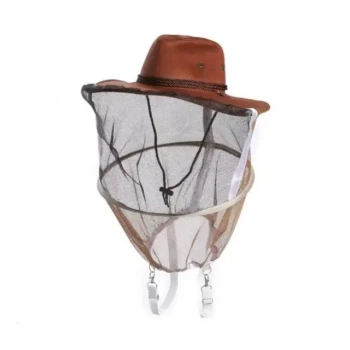
- Premium Cowboy Beekeeper Hat with Visibility Veil Outdoor Professional Beekeeping Protective Gear
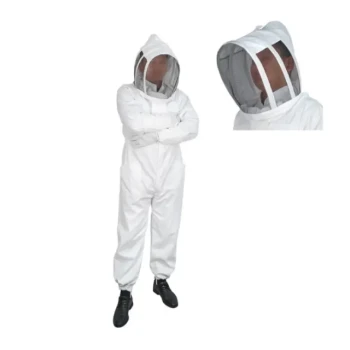
- Premium Cotton Beekeeper Suit with Reinforced Fencing Veil
- White Cotton Beekeeping Jacket and Veil for Bee Keepers
- Beekeeping Jacket with Hood and Veil for Beekeepers
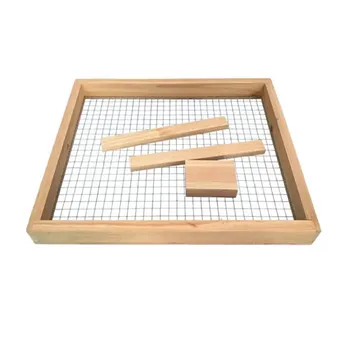
- Heavy-Duty Candy Board with Galvanized Mesh for Beekeeping
People Also Ask
- What design features contribute to the stability and fit of the beekeeper hat? Key Features for Maximum Hive Safety
- How is the beekeeper hat designed for comfort and practicality? Explore Key Features for Enhanced Apiary Safety
- What is the general protective gear recommendation for new beekeepers? Your Essential Beginner's Safety Guide
- How does beekeeping protective gear facilitate the queen bee selection process? Enhancing Precision in Queen Breeding
- What should beekeepers consider when choosing protective gear? A Guide for Maximum Safety & Comfort