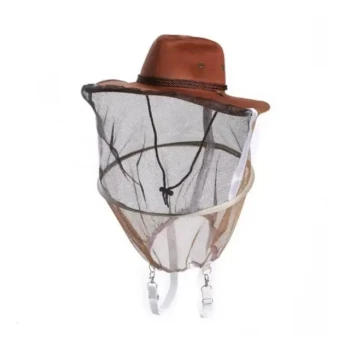
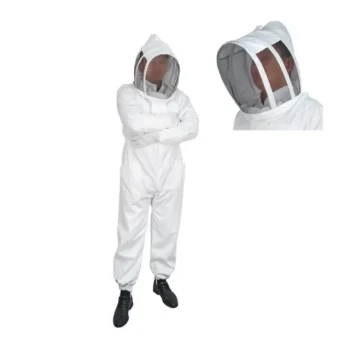
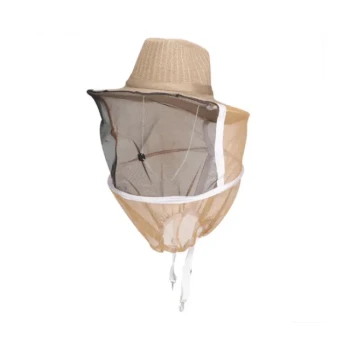
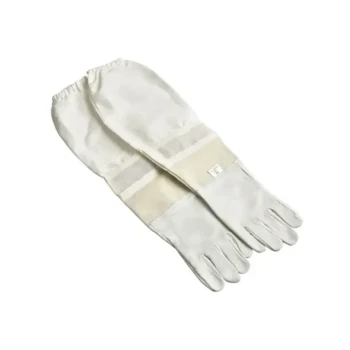
Professional protective equipment acts as the foundational defense for maintaining apiary workflows in regions plagued by the Asian hornet (Vespa velutina). By utilizing industrial-grade, fully enclosed suits, beekeepers can safely perform high-risk tasks—such as colony inspections, trap maintenance, and nest removal—despite the threat of potent venom. This physical security ensures that essential operations continue without interruption, preventing the operational paralysis that often results from high predation pressure.
In environments with high predation pressure, protective gear is not merely a safety precaution; it is an operational asset. By neutralizing the physical risk of stings, professional equipment allows for the precise, frequent interventions necessary to manage invasive threats and prevent the abandonment of colonies.
Mitigating the Specific Threat of Vespa velutina
Puncture Resistance Against Potent Venom
Asian hornets possess venom that poses a significantly higher safety threat than that of standard honeybees.
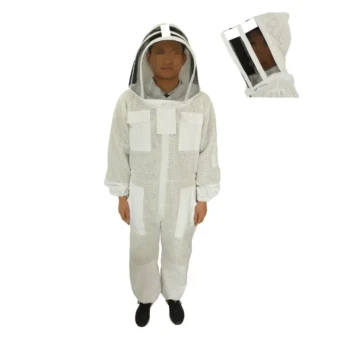
Professional gear utilizes specialized, industrial-grade materials designed specifically to resist deep punctures. This allows operators to work in environments where standard beekeeping veils or thin cotton suits would fail to provide adequate protection.
The Necessity of Full Enclosure
The aggressive nature of Asian hornets requires equipment that eliminates all potential entry points.
Professional-grade suits feature fully enclosed vision windows and secure seals at the wrists and ankles. This absolute barrier is critical for ensuring no insects can breach the suit during the chaotic activity of a nest removal or trap clearing.
Enabling Essential Management Tasks
Uninterrupted Colony Inspections
High predation pressure from hornets often causes honeybee colonies to become defensive and agitated.
With comprehensive protective gear, the beekeeper can inspect hives thoroughly without retreating due to aggressive colony behavior. This ensures that the health of the bee population is monitored regardless of external environmental stressors.
Active Hornet Trap Maintenance
Managing traps brings the operator into direct contact with concentrated numbers of live hornets.
Professional suits allow for the regular clearing and baiting of these traps without downtime. This maintenance is essential for reducing the predator load on the apiary and securing the perimeter.
Nest Removal Operations
The most dangerous task in hornet-infested regions is the physical removal of hornet nests.
This operation is impossible without industrial-grade protection, as the risk of swarming attacks is immediate. Professional gear converts a life-threatening hazard into a manageable procedure, allowing the apiary to actively reduce the local hornet population.
Preserving Operational Discipline
Eliminating "Fear-Based" Neglect
Without adequate protection, operators may hesitate to perform necessary checks due to safety concerns.
High-quality gear prevents the neglect or abandonment of colonies often caused by the fear of stings. It ensures that fear does not dictate the schedule of apiary management.
Precision Under Pressure
When the operator is confident in their safety, their movements remain calm and precise.
This composure reduces stress on the bees during inspections. It allows for scientific regulation of the colony, such as removing burr combs or harvesting, to continue with high efficiency even during hornet outbreaks.
Understanding the Trade-offs
Thermal Management Challenges
The heavy, puncture-resistant fabrics required to stop hornet stings often reduce airflow compared to lighter suits.
Operators must manage heat stress carefully, particularly during summer months when hornet activity peaks. The trade-off for impenetrable safety is often a reduction in thermal comfort and breathability.
Reduced Tactile Feedback
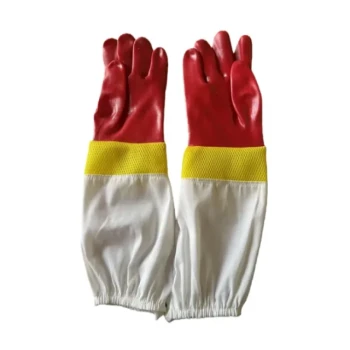
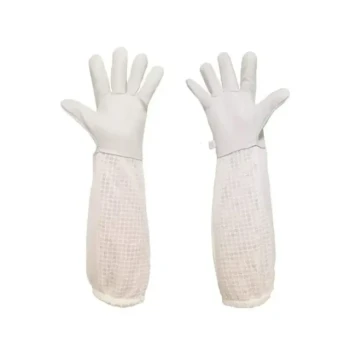
Thicker gloves and heavy canvas provide safety but can limit manual dexterity.
This reduction in tactile feedback requires the beekeeper to adjust their handling techniques. Operators must be extra vigilant to avoid crushing bees or mishandling frames while wearing heavier protective gear.
Making the Right Choice for Your Goal
To maintain operational continuity, select equipment based on the specific intensity of the threat you face:
- If your primary focus is active nest removal: Prioritize industrial-grade, fully enclosed suits with reinforced layers, accepting reduced dexterity for maximum puncture resistance against potent venom.
- If your primary focus is routine colony maintenance: Ensure your gear features fully sealed vision windows and thick fabrics to prevent stings from agitated bees, while verifying that glove thickness still allows for the precise manipulation of frames.
Investing in professional-grade protection effectively converts a biological hazard into a manageable operational variable, ensuring the long-term viability of the apiary.
Summary Table:
| Feature | Professional Protective Equipment Benefit | Impact on Operational Continuity |
|---|---|---|
| Material | Industrial-grade, puncture-resistant fabric | Enables safe nest removal and high-risk hornet management |
| Seal Design | Fully enclosed vision windows & secure seals | Prevents insect breach during intense predator activity |
| Operator Safety | Neutralizes threat of potent hornet venom | Eliminates fear-based neglect; ensures regular inspections |
| Workflow | Enables calm, precise handling under pressure | Reduces bee stress and maintains hive health during outbreaks |
Secure Your Apiary’s Future with HONESTBEE
Protect your workforce and ensure operational continuity against invasive threats like Vespa velutina. HONESTBEE specializes in supporting commercial apiaries and distributors with a comprehensive range of professional-grade beekeeping tools, machinery, and safety equipment. From industrial-grade puncture-resistant suits to specialized hive-making and honey-filling machines, we provide the essential hardware and consumables needed to thrive in challenging environments.
Don't let predators paralyze your production. Contact us today to explore our wholesale offerings and discover how our expert solutions can safeguard your honey-themed cultural merchandise and commercial operations.
References
- Hossam F. Abou‐Shaara, Areej A. Al-Khalaf. Using Maximum Entropy Algorithm to Analyze Current and Future Distribution of the Asian hornet, Vespa velutina, in Europe and North Africa Under Climate Change Conditions. DOI: 10.51963/jers.v24i1.2011
This article is also based on technical information from HonestBee Knowledge Base .
Related Products
- Premium Cowboy Beekeeper Hat with Visibility Veil Outdoor Professional Beekeeping Protective Gear
- Beekeeping Jacket with Hood and Veil for Beekeepers
- White Cotton Beekeeping Jacket and Veil for Bee Keepers
- Beekeeping Gloves Goatskin Leather with Long Cotton Sleeve for Beekeepers
- Premium Cotton Beekeeper Suit with Reinforced Fencing Veil
People Also Ask
- What design features contribute to the stability and fit of the beekeeper hat? Key Features for Maximum Hive Safety
- How is the beekeeper hat designed for comfort and practicality? Explore Key Features for Enhanced Apiary Safety
- What is the general protective gear recommendation for new beekeepers? Your Essential Beginner's Safety Guide
- How does beekeeping protective gear facilitate the queen bee selection process? Enhancing Precision in Queen Breeding
- What should beekeepers consider when choosing protective gear? A Guide for Maximum Safety & Comfort