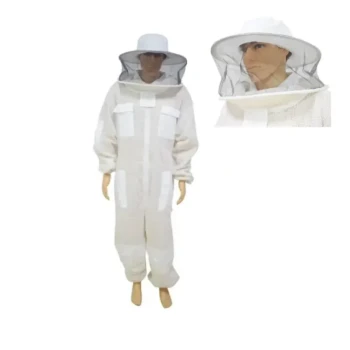
Professional protective clothing serves as a critical operational asset that directly influences the quality and sanitary standards of honey production. By providing a reliable physical barrier against stings, it eliminates the operator's hesitation and fear, enabling the calm, precise, and deliberate handling required to maintain honeycomb integrity and prevent contamination.
While the immediate function of protective gear is personal safety, its deeper value lies in operational control. It transforms beekeeping from a defensive interaction into a managed scientific process, allowing beekeepers to execute complex hygiene protocols and thorough inspections without rushing.
The Impact on Hygiene and Product Integrity
Preventing Contamination Through Controlled Movement
The primary threat to honey hygiene during harvest is often human error driven by the fear of bee attacks. Without adequate protection, operators may rush harvesting operations.
Professional clothing eliminates this urgency, allowing for slow, controlled movements. This precision prevents the accidental breakage of honeycombs, which helps exclude wax debris and other external pollutants from the final product.
Maintaining Honeycomb Structure
Rough handling caused by inadequate protection can compromise the structural integrity of the hive's frames.
By ensuring the beekeeper feels secure, protective gear facilitates gentle manipulation of the hive components. This preserves the natural state of the honeycomb, ensuring that the extraction process adheres to strict hygiene standards.
Facilitating Scientific Management
Enabling Deep and Frequent Inspections
Scientific beekeeping requires data, which can only be gathered through direct observation of the colony.
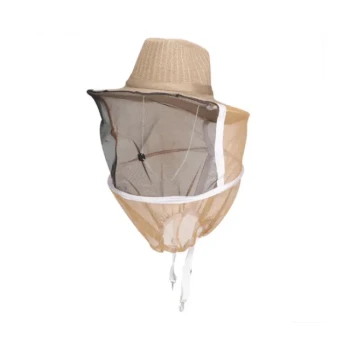
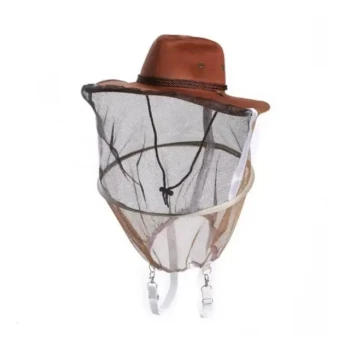
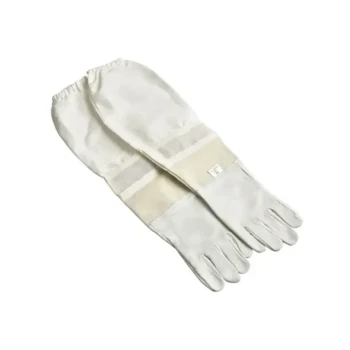
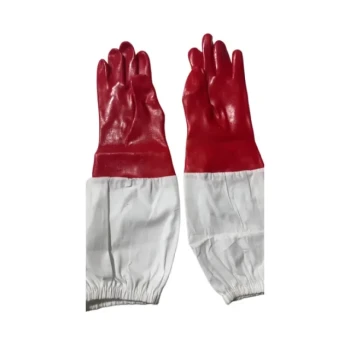
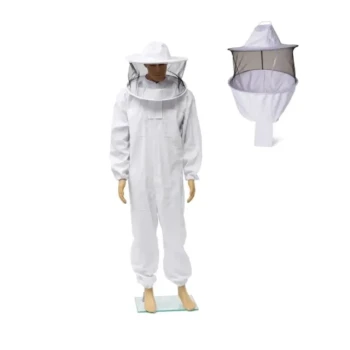
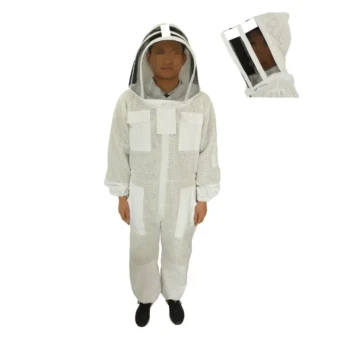
Protective suits, veils, and gloves allow management personnel to perform regular, deep inspections of the colony's core. This accessibility is critical for monitoring the health of the brood and the queen without interruption.
Optimizing Harvest Timing
Quality honey production relies on harvesting at the precise moment of maturity.
With the safety provided by professional gear, operators can frequently monitor pollen and nectar reserves. This allows for data-driven decisions on exactly when to harvest, directly influencing the yield and moisture content (quality) of the honey.
Proactive Disease and Pest Control
A healthy colony produces superior honey, but maintaining health requires hands-on intervention.
Protective equipment allows operators to implement pest control measures and disease treatments effectively and safely. This ensures the long-term stability of the apiary and prevents colony collapse, which would otherwise halt production.
Understanding the Trade-offs
The Risk of Reduced Dexterity
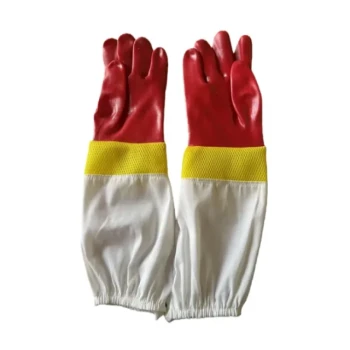
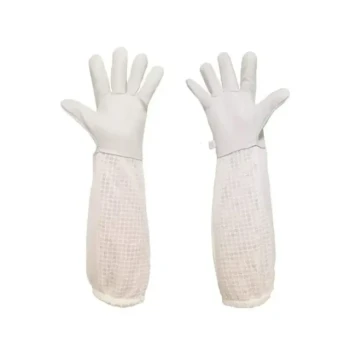
While protection is vital, heavy protective gear—specifically thick gloves—can reduce tactile sensitivity.
Loss of dexterity may lead to clumsy handling or the accidental crushing of bees, which releases alarm pheromones and agitates the colony. It is essential to balance protection with the ability to handle frames gently.
Gear Hygiene Maintenance
Protective clothing protects the human, but it can also act as a vector for contamination if not managed correctly.
Suits must be cleaned regularly. Dirty gear can harbor pathogens or retain alarm pheromones from previous inspections, which counteracts the goal of maintaining a calm, hygienic environment.
Making the Right Choice for Your Goals
To leverage protective clothing for better honey production, consider your primary operational objectives:
- If your primary focus is Hygiene Standards: Prioritize gear that allows for maximum mobility and calm movement to prevent rushed, messy harvesting.
- If your primary focus is Colony Health: Ensure your gear provides enough security to allow for prolonged, deep inspections of brood patterns and pest levels.
- If your primary focus is Efficiency: Select equipment that balances protection with dexterity to minimize the time spent fumbling with frames while maintaining safety.
True scientific management is achieved when safety gear is viewed not just as armor, but as a precision tool that enables higher standards of care.
Summary Table:
| Factor | Contribution to Production | Benefit to Honey Quality |
|---|---|---|
| Operational Control | Facilitates calm, precise movement | Reduces comb breakage and debris contamination |
| Deep Inspection | Enables frequent monitoring of colony health | Ensures optimal harvest timing and moisture levels |
| Physical Barrier | Eliminates operator hesitation/rushing | Maintains honeycomb structural integrity |
| Pest Management | Safe implementation of disease treatments | Supports colony stability and superior honey yield |
Partner with HONESTBEE for Professional-Grade Success
At HONESTBEE, we understand that professional protective clothing is more than safety gear—it is a precision tool for scientific apiary management. We cater specifically to commercial apiaries and distributors, providing a comprehensive wholesale selection of beekeeping tools, specialized hardware, and essential consumables.
From advanced hive-making and honey-filling machinery to high-durability protective suits that balance safety with dexterity, our portfolio is designed to enhance your operational efficiency and product hygiene.
Ready to scale your production with industry-leading equipment?
Contact HONESTBEE today to discuss our wholesale offerings and discover how our expertise can support your business growth.
References
- Caleb Kiplimo Bett. Factors Influencing Quality Honey Production. DOI: 10.6007/ijarbss/v7-i11/3458
This article is also based on technical information from HonestBee Knowledge Base .
Related Products
- White Cotton Beekeeping Jacket and Veil for Bee Keepers
- Beekeeping Jacket with Hood and Veil for Beekeepers
- Premium Cotton Beekeeper Suit with Reinforced Fencing Veil
- Beekeeper Cowboy Hat and Veil for Beekeeping
- Premium Cowboy Beekeeper Hat with Visibility Veil Outdoor Professional Beekeeping Protective Gear
People Also Ask
- What are the features of an economical beekeeping jacket? Essential Protection for Budget-Conscious Beekeepers
- What are the pros of using a beekeeping jacket? Unlock Superior Comfort and Mobility for Your Apiary
- What factors should a new beekeeper consider when choosing between a jacket and a full suit? Security vs. Comfort
- What are the advantages of a beekeeping jacket? Superior Mobility & Comfort for Routine Hive Inspections
- When is a beekeeping jacket considered a more suitable choice than a full suit? Optimize Your Apiary Mobility