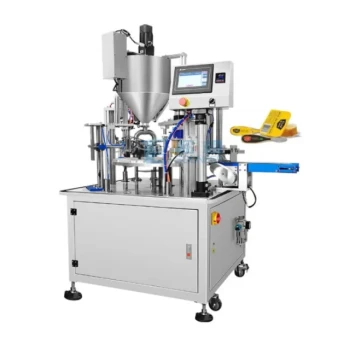
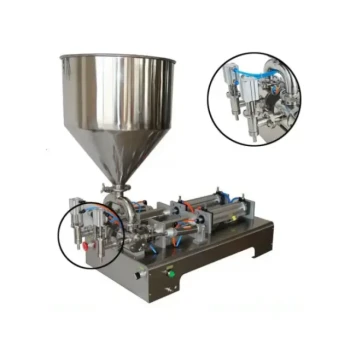
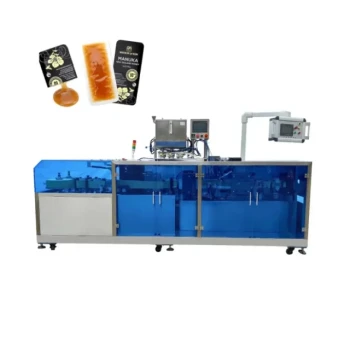
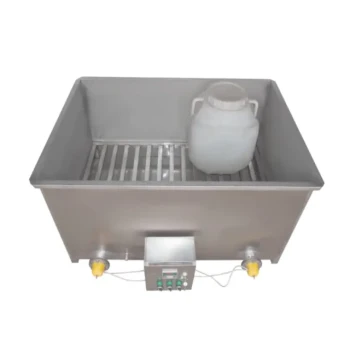
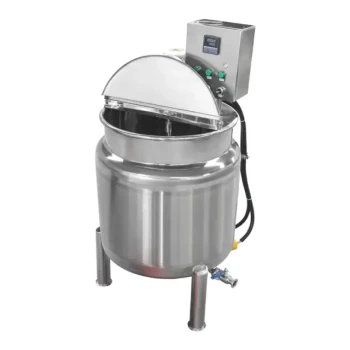
Systemic insecticide contamination can compromise raw honey purity before extraction even begins. Neonicotinoids such as imidacloprid and clothianidin are absorbed by crops and transported through plant tissues into floral nectar, where residues may persist for days or months. Contaminated nectar can also absorb lipophilic pesticide residues from polluted wax comb, and converting nectar into honey does not reliably remove these compounds. Clean, sanitary honey processing and filling machinery is therefore essential for preventing secondary contamination, protecting product quality, and meeting commercial food safety requirements.
Honey purity depends on both the hive environment and the processing line. Residue screening identifies contaminated batches, while clean hive components and hygienic, temperature-controlled machinery help ensure that acceptable honey remains pure through extraction, filtration, and filling.
How Insecticides Enter Raw Honey
Contamination Begins in the Foraging Environment
Honeybees collect nectar across broad agricultural and ecological areas. When systemic insecticides are applied to flowering crops, plants can transport active ingredients through the phloem into floral nectar.
These residues may remain available to foraging bees for extended periods. As a result, contamination can occur at the point where nectar is collected, before the beekeeper has any opportunity to process it.
Contaminated Wax Creates a Second Pathway
Wax comb can retain lipophilic chemical residues in its cell walls. Even when newly collected nectar is uncontaminated, it may absorb residues after being stored in pesticide-contaminated comb.
This makes wax foundations, frames, and other hive components part of the overall purity-control system. Replacing or managing contaminated comb is as important as monitoring the surrounding agricultural environment.
Honey Conversion Does Not Remove Synthetic Residues
The transformation of nectar into honey changes its concentration, moisture, and sugar profile, but it does not guarantee the destruction or removal of synthetic insecticides. Residues can therefore remain in the finished raw honey.
Some surveys have reported neonicotinoid residues in as many as 70% of commercial honey samples, particularly in agricultural regions. The exact risk depends on local pesticide use, exposure levels, bee-foraging patterns, and testing methods.
What Contamination Means for Commercial Purity
Residues Are a Food Safety Issue
Pesticide contamination can prevent a batch from meeting applicable food safety and market-access requirements. A visually clear or naturally flavored honey may still contain residues that are detectable only through laboratory analysis.
For commercial apiaries, purity cannot be judged by appearance alone. Batch-level testing is needed to identify contaminated harvests before blending, packaging, or distribution.
Purity Includes More Than Pesticide Absence
Commercial honey standards commonly address several physico-chemical properties. Reference parameters include moisture of no more than 20%, sucrose of no more than 5%, a fructose-to-glucose ratio of at least 1, and a minimum pollen count of 25,000 grains per gram.
Pure honey should also contain no added food ingredients, synthetic sugars such as C4 sugars, or antibiotics. Excessive heating must be avoided because it can alter the honey’s natural composition and quality indicators.
Contamination Can Reduce Market Value
A rejected or recalled batch creates direct costs for testing, reprocessing, disposal, and customer management. It can also damage buyer confidence among wholesalers, distributors, retailers, and industrial users.
Reliable purity controls protect more than a single shipment. They support consistent specifications, repeat purchasing, and access to markets with stricter compliance expectations.
Why Clean Processing and Filling Machinery Matters
Equipment Can Either Control or Spread Contamination
Honey processing equipment comes into direct contact with large volumes of product. Residues left in pumps, filters, pipes, filling heads, valves, or storage areas can transfer from one batch to the next.
A hygienic system with cleanable food-contact surfaces and controlled product flow reduces this batch-to-batch contamination risk. Sanitary stainless-steel components are particularly important because they support effective cleaning and resist corrosion.
Enclosed Systems Reduce Secondary Exposure
Fully enclosed processing and filling systems limit contact with dust, moisture, foreign matter, and environmental contaminants. They also reduce unnecessary human handling during transfer and packaging.
Sealed workflows help protect honey from oxidation and external contamination while it moves from extraction through filtration and filling. This is especially valuable for high-volume commercial operations where repeated manual handling creates more opportunities for error.
Precise Filling Protects Product Consistency
Volumetric filling machines provide controlled dosing and repeatable package weights. Consistent filling supports accurate labeling, inventory planning, and order fulfillment for distributors and wholesalers.
Precision also limits spills and product accumulation around filling equipment. Cleaner operating conditions make sanitation more manageable and reduce the risk that residue or old product will enter a subsequent batch.
Low-Temperature Controls Preserve Natural Quality
Honey’s viscosity often requires controlled warming for efficient pumping and filtration. However, excessive heat can degrade natural enzymes and alter other quality characteristics.
Industrial systems should therefore provide precise, low-temperature or constant-temperature control. The objective is to improve flow while preserving the honey’s natural pollen, enzyme profile, moisture level, and biological activity.
Building a Reliable Purity-Control System
Test Raw Honey Before Processing
Laboratory residue testing should be performed before a batch enters shared extraction, filtration, or filling equipment. Testing can identify pesticide residues, including compounds such as sulfoxaflor, that would otherwise be carried into commercial products.
Separating or removing nonconforming batches early protects equipment, downstream inventory, and customer orders. It also prevents contaminated honey from being unintentionally blended with compliant material.
Control Hive Components at the Source
Clean wax foundations and properly maintained hive components reduce the risk of transferring stored chemical residues into new nectar. Standardized hive manufacturing can also provide tight-fitting, consistent structures that support stable colony conditions and efficient mechanized handling.
Source-level controls do not replace laboratory testing. They reduce the contamination burden before harvest and make later processing controls more effective.
Maintain Hygienic Equipment Procedures
Cleaning schedules should cover every product-contact area, including transfer pumps, filters, pipes, filling nozzles, seals, and storage vessels. Procedures should also address changeovers between batches with different origins or risk profiles.
Equipment selection matters because accessible, hygienic designs are easier to inspect and clean consistently. Online monitoring sensors can further support control of temperature, flow, and operating conditions during production.
Preserve Traceability Through Distribution
Each batch should remain identifiable from hive or harvest source through processing, filling, storage, and shipment. Traceability allows a processor to isolate a problem without unnecessarily withdrawing unrelated inventory.
For distributors and B2B resellers, dependable batch records and rapid documentation are practical commercial advantages. They support faster responses to buyer inquiries and reduce disruption when a compliance question arises.
Understanding the Trade-offs
Filtration Cannot Replace Residue Testing
Filtration can remove suspended particles and improve physical clarity, but ordinary filtration should not be treated as a guaranteed method for removing dissolved systemic insecticides. A clear batch may still fail residue requirements.
Testing must therefore be treated as a release-control measure, while filtration serves the separate goals of removing unwanted particulates and preparing honey for packaging.
Heating Improves Flow but Can Damage Quality
Moderate, controlled warming can make viscous honey easier to pump and fill. Excessive or poorly controlled heating, however, can affect enzymes, moisture, and other natural properties.
The appropriate solution is precise thermal management rather than indiscriminate high-temperature treatment. Equipment should be selected around the required viscosity and throughput while maintaining gentle product handling.
Automation Requires Proper Sanitation
Automated machinery reduces manual handling and improves repeatability, but it does not eliminate contamination risk. Poorly cleaned automated lines can distribute residues efficiently across multiple batches.
Sanitary design, validated cleaning procedures, inspection, and operator discipline must accompany automation. The machinery is a control tool, not a substitute for a complete food safety program.
Premium Equipment Does Not Correct Poor Sourcing
A modern filling line cannot make contaminated honey compliant after the fact. If pesticide exposure, contaminated wax, or poor batch segregation is ignored upstream, processing equipment has limited ability to recover the product.
Commercial apiaries need coordinated sourcing, testing, hive management, processing, and documentation. One weak link can undermine the value of the entire operation.
Making the Right Choice for Your Goal
The most effective commercial approach combines residue screening, clean hive components, hygienic equipment, gentle temperature control, and traceable batch handling.
- If your primary focus is regulatory compliance: Test raw honey before shared processing, isolate nonconforming batches, and maintain documentation linking each lot to its source and processing history.
- If your primary focus is product purity: Use clean wax and hive components together with enclosed, sanitary stainless-steel transfer and filling equipment.
- If your primary focus is natural quality retention: Select precise low-temperature controls that improve honey flow without excessive heating or unnecessary loss of enzymes, pollen, moisture, and biological activity.
- If your primary focus is commercial throughput: Use automated filtration and volumetric filling systems that provide repeatable dosing, efficient order fulfillment, and reduced manual handling.
- If your primary focus is distributor and reseller confidence: Build a dependable one-stop supply chain supported by responsive technical service, rapid documentation, and consistent batch specifications.
Clean honey is achieved through disciplined control from the foraging environment to the final sealed container.
Summary Table:
| Factor | Impact on Honey Purity | Mitigation Strategy |
|---|---|---|
| Systemic insecticides in nectar | Residues persist in honey | Test raw honey before processing; source from low-risk areas |
| Contaminated wax comb | Lipophilic residues transfer to honey | Replace or manage wax foundations; use clean hive components |
| Honey conversion | Does not remove synthetic residues | Reliance on testing, not processing |
| Processing equipment | Can cause batch-to-batch contamination | Use hygienic, enclosed, stainless-steel systems |
| Heating | Excessive heat degrades quality | Use precise low-temperature controls |
Ready to ensure the purity of your honey and streamline your processing? At HONESTBEE, we supply a full range of hygienic honey processing and filling machinery, plus all the beekeeping essentials you need. Whether you're a commercial apiary seeking reliable equipment or a distributor looking for a trusted one-stop source, our rapid response and dedicated service are here for you. Contact us today to discuss your requirements and benefit from our expert support and competitive solutions!
Related Products
- Fully Automatic Honey Filling Packaging Machine for Processing Line
- Precision Durable Efficient HONESTBEE Rotary Honey Filling Machine
- Automatic Honey Filling and Filtering Machine for Beekeeping Bottle Filling
- Economy Small Honey Filling Machine Honey Bottle Filler Packaging Machine
- Double Nozzle Small Honey Filling Machine Honey Sachet Packing Packaging Equipment
People Also Ask
- Why are fully automatic honey filling and packaging lines essential? Boost Your Honey's Market Value and Quality
- What is a fully-automatic honey filler? Streamline Your Production with High-Precision Automation
- How do automated honey filling and packaging machines affect profitability? Boost Margins with HONESTBEE Technology
- How do automated honey filling and packaging machines contribute to the market value of honey products? Maximize Your ROI
- How do industrial-grade automated honey filling and packaging machines mitigate the risk of physical contamination?