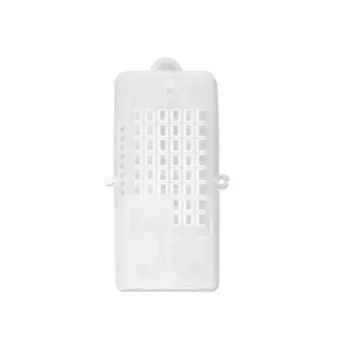
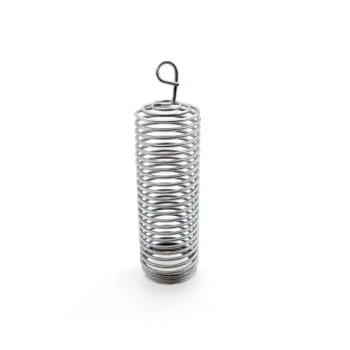
The material composition of queen cell cups is a critical determinant of royal jelly yield because it directly dictates the acceptance rate of worker bees. While natural beeswax cups provide superior biocompatibility and the highest raw production volumes, industrial plastic cups offer necessary durability, with wax-coated plastic serving as a high-performance hybrid that balances biological acceptance with mechanical strength.
Maximizing royal jelly production requires balancing the instinctual preferences of the bees with the operational needs of the beekeeper. Natural beeswax elicits the strongest feeding response, but treated plastic offers a scalable, durable alternative that closely mimics nature.
The Biological Impact of Material
Beeswax: The Standard for Biocompatibility
Natural beeswax cell cups are the most effective material for inducing royal jelly secretion. Because they possess the highest biocompatibility, they align perfectly with the worker bees' instincts. This results in the highest acceptance rates of transferred larvae and, consequently, the maximum volume of royal jelly deposited per cup.
Plastic: The Challenge of Acceptance
Industrial plastic cups are frequently used for their durability, but they present a biological hurdle. Pure plastic lacks the natural texture and pheromonal signature of wax, which typically leads to lower acceptance rates by nurse bees compared to natural wax. Without modification, the yield per colony may decrease because fewer larvae are accepted and fed.
The Hybrid Solution: Wax-Coated Plastic
To solve the acceptance issue of plastic, cups can be treated with a beeswax coating. This simulates the natural texture and scent of a wax cell, "tricking" the bees into accepting the artificial cup as readily as a natural one. This approach maintains the mechanical strength of plastic while significantly increasing royal jelly yield.
Operational Implications of Material Choice
Standardization for Harvesting
While beeswax yields more jelly, plastic cups (whether coated or not) provide the standardization required for modern apiculture. Supplementary data indicates that standardized artificial cups are essential for efficient, semi-mechanical, or mechanical extraction of jelly. They fit precisely into integrated wooden cell bars, allowing for the removal of entire sets of cells at once.
Hygiene and Contamination Control
The material choice also impacts the purity of the final product. Using food-grade plastic ensures that the royal jelly is not contaminated by chemical leaching. Furthermore, the rigid structure of plastic facilitates easier cleaning of larvae and jelly extraction compared to fragile wax cups.
Understanding the Trade-offs
Durability vs. Instinct
The primary trade-off in selecting a material is between the longevity of the equipment and the biological response of the hive. Beeswax cups are fragile and often single-use, requiring constant reformation, which is labor-intensive. Plastic cups are reusable and durable but risk lower production yields if not properly coated or introduced to the hive.
Simulation of Nature
Regardless of the base material, the goal is to simulate the natural environment of a queen cell. If the material feels foreign, the nurse bees may reject the grafted larvae. Therefore, if you choose plastic for its operational benefits, you must accept the additional step of coating or priming the cups to ensure the "microclimate" feels natural to the bees.
Making the Right Choice for Your Goal
To select the optimal material for your operation, consider your specific production targets:
- If your primary focus is maximum biological yield: Prioritize natural beeswax cups or heavily wax-coated plastic to ensure the highest possible larval acceptance rate.
- If your primary focus is operational efficiency: Utilize standardized food-grade plastic cups that integrate seamlessly with mechanical harvesting systems and cell bars.
- If your primary focus is long-term durability: Choose high-quality plastic cups but treat them with a beeswax coating to prevent the drop in yield typically associated with synthetic materials.
Success in royal jelly production ultimately relies on using materials that trick the colony into believing they are building natural queen cells, triggering the mass secretion of jelly.
Summary Table:
| Material Type | Larval Acceptance Rate | Durability & Reusability | Operational Efficiency | Best Suited For |
|---|---|---|---|---|
| Natural Beeswax | Highest (Natural) | Low (Fragile/Single-use) | Low (Labor intensive) | Small-scale / Max yield focus |
| Pure Plastic | Lower (Synthetic) | High (Long-lasting) | High (Standardized) | Large-scale mechanical extraction |
| Wax-Coated Plastic | High (Hybrid) | High (Durable base) | Medium (Requires coating) | Professional commercial apiaries |
Maximize Your Royal Jelly Output with HONESTBEE
Elevate your production efficiency with high-performance beekeeping technology. HONESTBEE provides commercial apiaries and distributors with premium wholesale solutions, including specialized queen rearing kits, honey-filling machines, and high-durability cell cups designed to optimize larval acceptance. Whether you need industrial-grade hive-making machinery or essential apiary consumables, we deliver the tools required for global competitiveness.
Ready to scale your operation? Contact us today to explore our full spectrum of professional beekeeping equipment and tailored wholesale offers.
References
- Mohammad A.A. Salem Salem, Sohair A Gad Alla. STUDIES ON SOME FACTORS AFFECTING ROYAL JELLY PRODUCTION OF HONEYBEE COLONIES, Apis mellifera L.. DOI: 10.21608/zjar.2021.191284
This article is also based on technical information from HonestBee Knowledge Base .
Related Products
- Brown Nicot Queen Cell Cups for Breeding Queen Bees Beekeeping
- JZBZ Type Wide Base Plastic Queen Cell Cups for Base Mounting and Queen Rearing
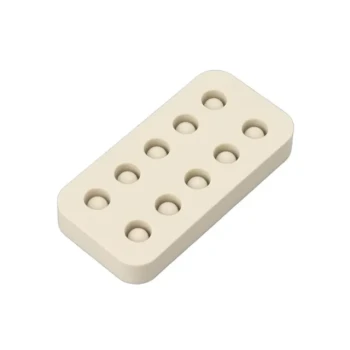
- 10-Cell Silicone Beeswax Bee Queen Cups Forming Mold
- Premium Nicot Style Cell Bar Holder and Queen Cell Cup Holder System
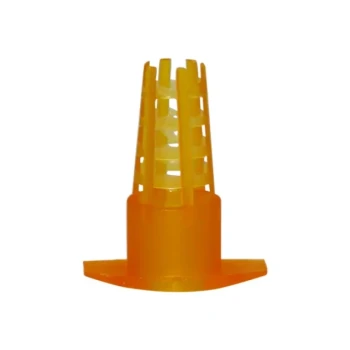
- JZBZ Push-In Queen Cell Cups for Beekeeping
People Also Ask
- What role do specialized queen rearing tools play in developing mite-resistant honeybee stock? Master Genetic Selection
- What materials are used to make artificial queen cell cups for grafting? Beeswax vs. Plastic Guide
- What roles do specialized queen cell cups play in royal jelly production? Optimize Your Hive's Secretion and Yield
- How does the standardized depth of queen cell cups affect larval acceptance? Boost Success with 6mm Precision
- Why is a diluted royal jelly solution applied to queen cell cups? Boost Acceptance in Artificial Grafting