Pollinator Capacity is the critical metric that allows commercial apiaries to transform environmental data into predictable production schedules. By calculating the number of functional pollinators in a landscape—factoring in pesticide-induced mortality risks—operators can accurately forecast honey yields. This quantitative foresight enables apiaries to calibrate the operating loads of honey-filling and packaging lines, preventing both equipment idling and raw material bottlenecks.
Core Takeaway: Utilizing Pollinator Capacity as a predictive tool bridges the gap between field ecology and industrial processing. It empowers commercial operations to optimize their machinery usage and ensure a steady, high-volume supply of finished products for global distributors.
From Landscape Metrics to Production Efficiency
Predicting Yield with Quantitative Data
Pollinator Capacity provides a mathematical foundation for estimating the total volume of honey a specific landscape can produce. By accounting for environmental stressors like pesticides, apiaries avoid overestimating their harvest potential. This accuracy is essential for procurement managers who must secure packaging materials and logistics support well in advance of the harvest.
Optimizing Equipment Load and Resource Allocation
With a precise yield forecast, apiaries can plan the specific operating hours for high-precision honey-filling equipment. This ensures that machinery runs at peak efficiency without the costly energy waste associated with under-capacity operation. It also allows for the rational scheduling of labor, focusing human effort on biological management rather than downstream processing.
Preventing Supply Chain Disruptions
By aligning packaging line capacity with predicted honey volume, apiaries eliminate the risk of raw material shortages that stall production. For B2B resellers, this translates to ultra-fast delivery and a more reliable fulfillment cycle. Quantitative planning ensures that the "one-stop sourcing" promise is backed by actual hardware readiness.
Industrializing the Honey Supply Chain
High-Speed Conversion and Hygiene
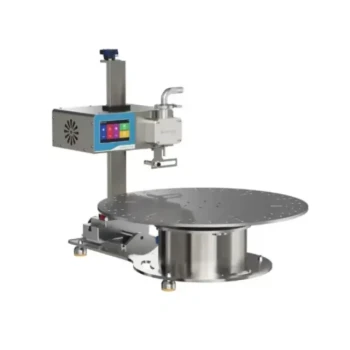
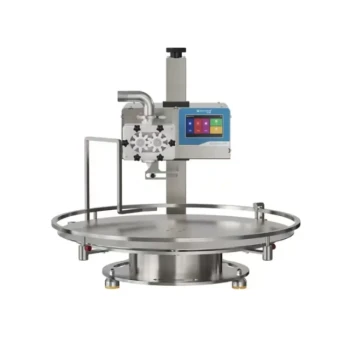
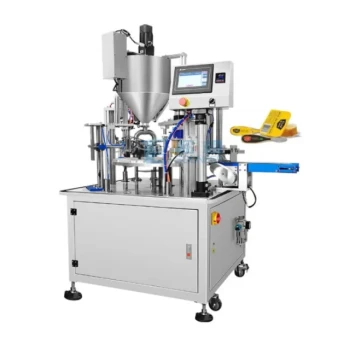
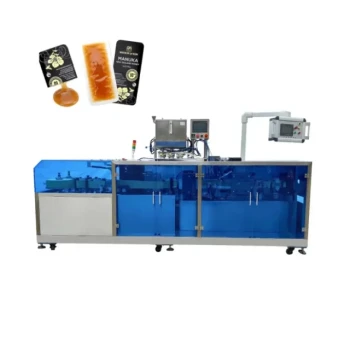
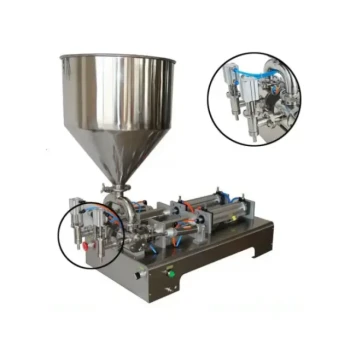
Professional honey-filling machines utilize metering pumps to ensure consistent unit volumes, which reduces raw material waste. This automation facilitates a rapid transition from extraction to final packaging, minimizing the risk of secondary contamination. For distributors, this means receiving a product that meets the most stringent international food safety standards.
Capturing Value from Pollination Byproducts
Commercial apiaries often provide pollination services for specific crops, such as pumpkins, which produce unique honey byproducts. By integrating professional extraction and filling machinery, apiaries can process these specialty honeys into high-value consumer goods. This diversification creates a more robust product portfolio for wholesalers looking for differentiated market offerings.
Empowering Direct Market Access
Industrial-grade machinery allows apiaries to move beyond the low-price acquisitions of traditional middlemen. High-quality, automated packaging creates a premium brand image that commands higher price points in competitive markets. This professionalization is what enables modern apiaries to scale their operations and support global distribution networks.
Understanding the Trade-offs
The Risk of Environmental Volatility
While Pollinator Capacity is a powerful predictive tool, it remains subject to sudden environmental shifts. Unforeseen weather events or localized pesticide misuse can still cause deviations from the predicted yield. Apiaries must maintain a level of operational flexibility to adjust packaging schedules if the field data changes rapidly.
Balancing Automation with Initial Capital Costs
Implementing high-speed, automated filling lines requires significant upfront investment in hardware infrastructure. While these systems drastically reduce long-term labor costs and improve hygiene, the initial expenditure can be a barrier for smaller operations. However, for those serving large-scale distributors, the efficiency gains usually justify the investment through increased volume and consistency.
Choosing the Right Strategy for Your Goal
How to Apply This to Your Operation
The integration of field metrics and industrial hardware is the hallmark of a professionalized honey supply chain. To maximize the value of your sourcing or production strategy, consider the following priorities:
- If your primary focus is supply chain reliability: Prioritize suppliers who use quantitative metrics like Pollinator Capacity to guarantee consistent fulfillment and prevent "out-of-stock" scenarios.
- If your primary focus is brand premium and quality: Seek out operations that utilize automated, high-precision filling lines to ensure strict hygiene and standardized packaging aesthetics.
- If your primary focus is rapid market response: Invest in or partner with apiaries that have integrated extraction and packaging capabilities to reduce the time between harvest and delivery.
Leveraging technical metrics to drive industrial automation is the most effective way to ensure a stable, high-quality honey supply in a competitive global market.
Summary Table:
| Impact Area | Role of Pollinator Capacity | Strategic Production Benefit |
|---|---|---|
| Yield Forecast | Quantitative data from landscape metrics | Accurate procurement of packaging & logistics |
| Machinery Load | Predicts total honey volume for processing | Peak efficiency for filling & packaging lines |
| Supply Chain | Aligns field output with fulfillment cycles | Eliminates bottlenecks & ensures fast delivery |
| Quality Control | Enables use of high-precision metering pumps | Consistent unit volumes & strict hygiene standards |
| Market Value | Drives transition to professional branding | Higher price points & direct market access |
Scale Your Wholesale Success with HONESTBEE
Transform your production efficiency with HONESTBEE, your one-stop partner for professional beekeeping machinery and consumables. We specialize in supplying commercial apiaries and distributors with high-precision honey-filling machines, hive-making equipment, and a full spectrum of industry essentials.
- Boost Profit Margins: High-efficiency hardware and competitive wholesale offerings designed for B2B resellers.
- Reliable Supply Chain: Ultra-fast delivery and rapid response times to keep your fulfillment cycles on track.
- Professional Expertise: Benefit from our deep industry knowledge and dedicated OEM/ODM support.
Ready to elevate your beekeeping business with premium trading services? Contact our expert team today to get started!
References
- Swantje Gebhardt, Martha Bakker. Understanding interactive effects between habitat configuration and pesticide use for pollination: towards better informed landscape management. DOI: 10.1186/s13717-025-00587-z
This article is also based on technical information from HonestBee Knowledge Base .
Related Products
- Precision Durable Efficient HONESTBEE Rotary Honey Filling Machine
- Fully Automatic Honey Filling Packaging Machine for Processing Line
- Semi Automatic Small Honey Bottle Filling Machine Honey Filler
- Economy Small Honey Filling Machine Honey Bottle Filler Packaging Machine
- Commercial Rotary Honey Filling Machine for Production
People Also Ask
- What is a key feature of the new generation of the honey filling machine? The Advanced Electronic Control Unit
- What are the common types of bottling machines used for honey? Choosing the Right Solution for Your Apiary
- How do honey filling machines work? Achieve Precision & Speed for Your Apiary
- How do honey filling and processing machines aid native bee product conservation? Boost Value with HONESTBEE Technology
- How do high-precision honey filling machines ensure quality? Optimize Your Commercial Production with HONESTBEE