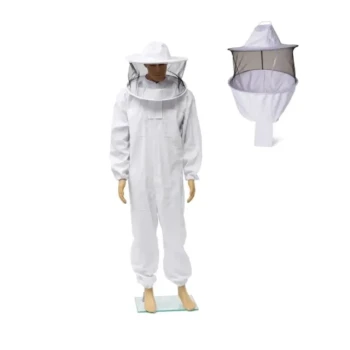
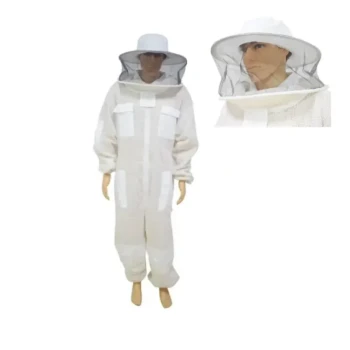
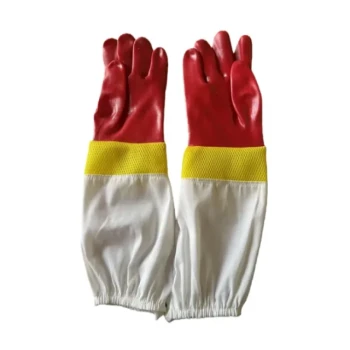
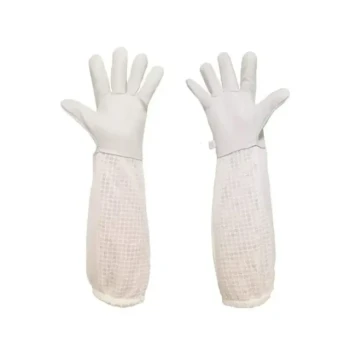
The price of a beekeeping suit is a direct indicator of its protective capability, material technology, and operational longevity. Generally, higher costs correlate with superior sting protection through multi-layered fabrics, while lower-priced options typically rely on single-layer materials that may offer adequate protection for hobbyists but lack the durability and features required for frequent apiary work.
The core differentiator in pricing is often the balance between breathability and sting resistance. Premium suits utilize complex, triple-layer mesh designs to provide maximum protection without trapping heat, whereas budget options often force a trade-off between being heavy and hot or lightweight and vulnerable.
Material Composition and Protection Levels
The Layering Advantage
Higher-priced suits frequently feature triple-layer fabric technology. This design creates a physical depth that is greater than the length of a bee's stinger, offering a "sting-proof" seal while maintaining airflow.
In contrast, budget suits often use a single layer of thick cotton or a polyester blend. While dense enough to prevent penetration, these materials can become uncomfortably hot and heavy during summer inspections.
Fabric Density and Weight
There is a critical relationship between the weight of the fabric and the level of protection. Heavier fabrics found in mid-range suits offer solid protection against stings but can be cumbersome and fatigue-inducing over long periods.
Lighter materials increase comfort and mobility but may fail to stop stings effectively unless they utilize high-grade, engineered synthetic blends found in top-tier pricing brackets.
Veil Visibility and Safety
The veil is the most critical safety component, and price significantly impacts its quality. High-quality suits employ non-flammable mesh that minimizes glare for clear visibility.
Cheaper alternatives may use standard netting that can obstruct vision in bright sunlight or degrade quickly, compromising the protective barrier around the face.
Hardware and Operational Features
Zipper Integrity and Seals
Premium suits invest heavily in durable metal zippers capable of withstanding propolis buildup and frequent washing. Crucially, high-end designs feature overlapping zippers at the chest and veil to create a true sting-proof seal.
Lower-cost suits may lack these overlaps or use plastic zippers, leaving small gaps where bees can enter—a common failure point in budget gear.
Ergonomics and Accessibility
Expensive suits often include "convenience" features that significantly improve the workflow, such as extra-long leg zippers that allow you to don the suit without removing your boots.
They also feature large pull rings for easy operation with gloved hands and easy-open veils that allow for quick hydration without removing the entire hood.
The Importance of Seals
Regardless of price, the points of entry must be secure, but higher-end models use high-quality Velcro and heavy-duty elastic at the wrists and ankles.
Premium suits often include thumb loops to keep sleeves from riding up, ensuring no skin is exposed when reaching into a hive.
Understanding the Trade-offs
The Durability vs. Cost Equation
For a serious beekeeper, the initial savings of a cheap suit often evaporate due to wear and tear. Low-cost materials may fray, and elastic bands can lose their snap, requiring earlier replacement.
The Comfort vs. Protection Balance
If you opt for a lower price point, you are often choosing between heat exhaustion and sting risk. To get a suit that is both cool and impervious to stings, you must generally move into the higher price bracket for ventilated, multi-layer synthetic fabrics.
Making the Right Choice for Your Goal
When selecting a suit, align your budget with your specific interaction level with the hives.
- If your primary focus is occasional hobbyist use: Look for a dense cotton or blend suit that ensures wrist and ankle seals are tight, accepting that it will be warmer to wear.
- If your primary focus is comfort and frequent inspections: Invest in a higher-priced, triple-layer ventilated suit to maximize airflow and ensure "sting-proof" confidence without the bulk.
- If your primary focus is longevity: Prioritize suits with metal hardware, reinforced knees/pockets, and non-flammable veil mesh to ensure the gear survives years of use.
Ultimately, the best suit balances your budget against the reality that comfort directly affects how calm and focused you remain while working with your bees.
Summary Table:
| Feature | Budget Suits (Low Price) | Premium Suits (High Price) |
|---|---|---|
| Material | Single-layer Cotton/Polyester | Triple-layer Ventilated Mesh |
| Sting Protection | Basic; depends on thickness | Superior; stinger cannot reach skin |
| Breathability | Limited; can be hot/heavy | Maximum airflow; keeps user cool |
| Hardware | Plastic zippers; basic elastic | Heavy-duty metal zippers; reinforced seals |
| Durability | Lower; prone to fraying/wear | High; built for frequent commercial use |
| Visibility | Standard netting; potential glare | Non-flammable mesh; high-clarity view |
Scale Your Beekeeping Success with HONESTBEE
Choosing the right protective gear is critical for operational efficiency and beekeeper safety. At HONESTBEE, we specialize in supporting commercial apiaries and distributors with high-performance beekeeping solutions. From premium triple-layer ventilated suits to advanced honey-filling machines and hive-making equipment, our comprehensive wholesale portfolio ensures your team stays protected and your production stays streamlined.
Why partner with HONESTBEE?
- Full Spectrum Supply: A one-stop shop for tools, machinery, and industry consumables.
- Commercial Grade Quality: Equipment designed for durability and high-frequency use.
- Global Distribution Support: Expertly serving the needs of distributors worldwide.
Ready to upgrade your equipment or stock your inventory with the industry's best? Contact HONESTBEE today to discuss our wholesale offerings and discover how we can add value to your beekeeping business.
Related Products
- Premium Cotton Beekeeper Suit with Reinforced Fencing Veil
- Professional Cotton Beekeeper Suit with Round Veil Design for Commercial Apiaries
- Professional Beekeeper Suit with Square Folding Cotton Veil
- Vented Beekeeping Jacket with Hood and Veil for Beekeepers
- White Cotton Beekeeping Jacket and Veil for Bee Keepers
People Also Ask
- What material and design specifications are recommended for a high-quality beekeeper suit? Top Gear Selection Guide
- How to Pre-treat Propolis Stains on Beekeeping Suits? Master Advanced Fabric Care and Soil Removal
- What features should be considered for sting protection in a beekeeping suit? Ensure Total Safety and Comfort
- What are the differences between full suits and jackets with veils in beekeeping? Choose Your Best Protection
- What features should be looked for in a beekeeping suit for maximum comfort? Prioritize Ventilation and Fit