The bee smoker acts as a biological override that disrupts the colony's defensive communication network. It assists in preventing defensive behavior through two primary mechanisms: masking the alarm pheromones that coordinate attacks and triggering a survival instinct that physically and temperamentally sedates the bees.
Core Takeaway The smoker is not a weapon, but a communication disruptor. By blocking the chemical signals used by guard bees and inducing a feeding response, it creates a temporary "safe window" for inspection. However, it is a preventative tool; once a colony has fully escalated to a high-alert state, smoke loses its efficacy.
The Mechanism of Action
Disrupting Chemical Communication
Honey bees rely heavily on pheromones to communicate threats. When a guard bee perceives danger, she releases a specific alarm pheromone that signals the rest of the colony to attack.
Masking the Signal
Smoke physically masks these volatile chemicals. By filling the air around the hive with smoke, you effectively jam the signal. This prevents the "attack command" from spreading from the guard bees to the thousands of workers inside the hive.
The Survival Instinct
Smoke triggers an ancient evolutionary response in bees: the fear of wildfire. Perceiving a potential need to abandon the hive, the bees instinctively rush to their stores to consume honey.
Physical Sedation
This gorging behavior has a tangible physical effect. A bee with a full honey stomach becomes lethargic and docile. Furthermore, the distended abdomen makes it physically difficult for the bee to curve its body into the position required to sting.
Strategic Application
Using "Cool" Smoke
The temperature of the smoke is vital. You must use "cool" smoke, achieved through the incomplete combustion of natural materials. Hot smoke can singe wings or overheat the colony, triggering the very aggression you are trying to prevent.
The Importance of Timing
Application requires patience, not just volume. After wafting smoke into the entrance or across the frames, you should wait approximately 30 to 60 seconds. This pause allows the bees to retreat and the gorging instinct to take effect before you manipulate the hive.
Minimal Intervention
Smoke should be used sparingly. It is a tool to be prepared and lit for every inspection, but it does not need to be heavily applied if the bees remain calm. Light smoke directed across the frames is often sufficient to maintain order.
Understanding the Trade-offs
The Agitation Threshold
The smoker is most effective as a preventative measure. The primary reference indicates that if a colony becomes excessively agitated or aggressive, the smoker may cease to be effective. Continuing to pump smoke into a fully enraged hive often yields no results.
Knowing When to Abort
If the smoke fails to calm the bees, it is a sign that the colony has escalated beyond the "masking" phase. At this point, the safest course of action is to stop the inspection and allow the bees to settle, rather than attempting to force compliance with more smoke.
Mastering Hive Management
If your primary focus is routine inspection:
- Apply a few puffs of cool smoke at the entrance and wait 30-60 seconds for the colony's defense system to deactivate before opening the hive.
If your primary focus is managing a defensive colony:
- Monitor the bees' reaction closely; if they ignore the smoke and continue to escalate, seal the hive immediately to prevent a dangerous situation.
If your primary focus is limiting chemical exposure:
- Use the smoker only when necessary to mask alarm pheromones or move bees off a specific frame, rather than continuously smoking the entire box.
Effective beekeeping relies on using the smoker to negotiate a truce, allowing you to work with the colony rather than against it.
Summary Table:
| Mechanism | Primary Action | Effect on Bee Behavior |
|---|---|---|
| Pheromone Masking | Jams alarm signals | Prevents the spread of the "attack command" |
| Survival Instinct | Triggers honey gorging | Bees focus on resource preservation over defense |
| Physical Sedation | Distends the abdomen | Makes stinging physically difficult and lethargic |
| Communication | Disrupts guard signals | Creates a temporary safe window for work |
Elevate Your Apiary Operations with HONESTBEE
At HONESTBEE, we understand that professional beekeeping requires precision tools that work in harmony with nature. As a premier provider for commercial apiaries and global distributors, we supply everything from high-efficiency bee smokers to advanced honey-filling machinery and specialized hive-making equipment.
Whether you are scaling your wholesale inventory or upgrading your industrial processing capabilities, our comprehensive portfolio of beekeeping hardware and essential consumables ensures your success.
Ready to optimize your production and hive management?
Contact our expert team today to discuss how our wholesale solutions can empower your business.
Related Products
- Stainless Steel Honey Bee Smoker Hive and Honeycomb Smoker for Beekeeping
- Professional Bee Smoker with Elongated Spout and Durable Bellows for Beekeeping
- Premium Traditional Copper Bee Smoker with Bellows
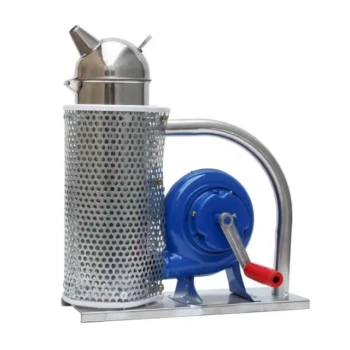
- Heavy Duty Manual Bee Smoker Blower for Beekeeping
- European Stainless Steel Bee Smoker for Honey Bee Hive
People Also Ask
- What are bee smokers made out of? Choose the Right Material for Your Apiary
- What type of bee smoker is recommended for a beginner? Top Picks for Easy Hive Management
- Why is a stainless steel bee smoker considered indispensable? Master Hive Management with Cool Smoke Technology
- How do bee smokers and colored light sources work together to assist in night-time honey harvesting? Expert Strategies
- How should a beekeeper use a smoker when approaching a hive? A Guide to Calm, Safe Inspections