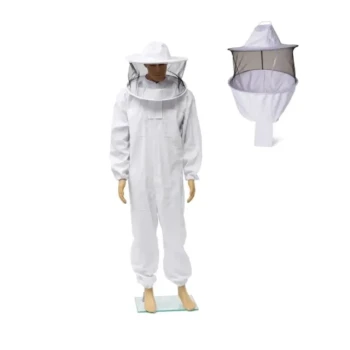
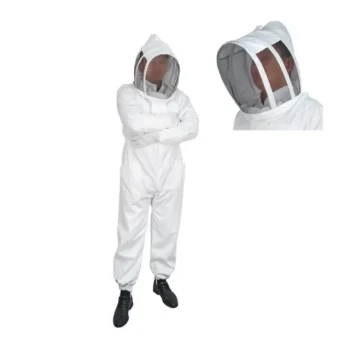
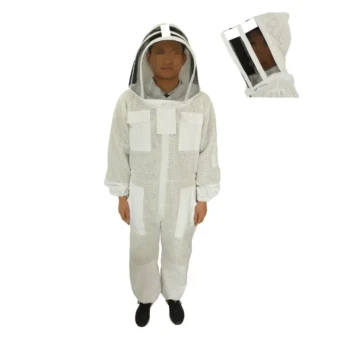
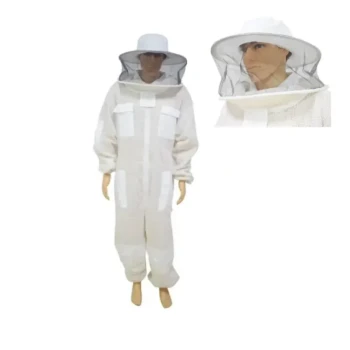
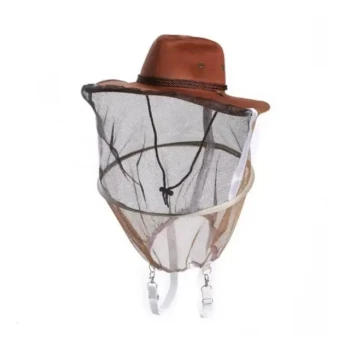
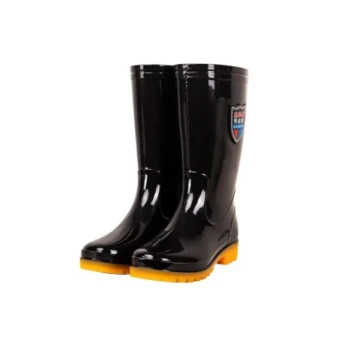
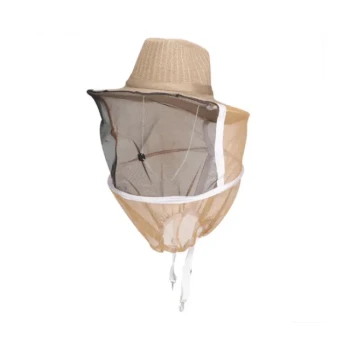
The primary mechanism for fire prevention in sustainable honey harvesting is the elimination of open flames through physical isolation. By outfitting operators with professional-grade beekeeping suits, the reliance on traditional fire-based smokers to deter bees is significantly reduced or entirely negated. This removal of the ignition source is the single most effective way to prevent accidental forest fires during hive management.
The adoption of high-quality protective gear shifts the safety strategy from aggressive deterrence (using smoke and fire) to passive defense (physical barriers). This allows beekeepers to maintain vegetation integrity and protect forest coverage by removing the risk of sparks or embers in dry environments.
The Mechanism of Risk Elimination
Replacing Deterrence with Isolation
Traditionally, beekeepers use smoke to mask alarm pheromones and calm the colony. This requires lighting fuel and maintaining a smoldering fire within a smoker.
Professional beekeeping suits provide comprehensive physical isolation. Because the operator is fully protected from stings by the equipment, the absolute necessity of using smoke for personal safety is removed.
Removing the Ignition Source
The primary reference explicitly states that these suits allow for safe hive management without the need for traditional smokers or open flames.
In dry seasons or high-risk areas, the "improper use of fire" to deter bees is a leading cause of wildfires. By relying on the suit rather than the smoker, the beekeeper removes the fire variable from the equation entirely.
Sustainability and Operational Efficiency
Protecting Vegetation Integrity
Sustainable honey harvesting depends on a healthy ecosystem. An accidental fire does not just threaten the apiary; it destroys the forest coverage and vegetation that provides the nectar and pollen bees require.
Using professional suits as a fire prevention measure creates a closed loop of safety: the gear protects the human, allowing the human to use techniques that protect the forage land.
Enhancing Operator Composure
Supplementary data suggests that the sense of security provided by professional gear allows operators to work with greater composure.
When an operator is not afraid of being stung, they move more deliberately and make fewer abrupt movements. This reduces the likelihood of accidents in the field—such as dropping tools or mismanaging equipment—further contributing to a controlled and safe environment.
Understanding the Trade-offs
Passive vs. Active Management
While suits prevent fire by removing the need for smoke, it is important to note that smoke has a biological function: it calms the bees.
Relying solely on the suit (to ensure zero fire risk) means the bees may remain more aggressive during the harvest. The suit protects the human, but the colony may experience higher stress levels than if "cool smoke" were used.
Thermal Comfort vs. Safety
To provide the "comprehensive physical barrier" required to forgo smoke, suits must be thick and well-sealed.
In hot climates, this increases the physical strain on the beekeeper. The trade-off is accepting higher operator heat stress to ensure absolute fire safety for the surrounding environment.
Making the Right Choice for Your Goal
When selecting equipment and protocols for your apiary, consider your environmental context.
- If your primary focus is Maximum Fire Prevention: Prioritize the highest-grade, puncture-proof suits available and eliminate the use of smokers entirely during dry seasons.
- If your primary focus is Colony Calmness: Utilize the suit for personal safety, but employ a "cool smoke" smoker with extreme caution, ensuring it is extinguished fully before leaving the site.
- If your primary focus is Operator Comfort: Acknowledge that lighter suits may require the use of smoke for protection, thereby re-introducing a fire risk that must be managed.
Ultimately, the professional beekeeping suit is not just personal protective equipment (PPE); it is a strategic environmental tool that safeguards the forest by rendering fire unnecessary.
Summary Table:
| Feature | Traditional Harvesting (Smoke-Based) | Sustainable Harvesting (Suit-Based) |
|---|---|---|
| Primary Safety Strategy | Aggressive deterrence (Active) | Physical isolation (Passive) |
| Ignition Risk | High (Open flames/smoldering embers) | Zero (No fire source required) |
| Environmental Impact | Risk of forest fire & habitat loss | Protects vegetation & nectar sources |
| Operator Protection | Moderate (Dependent on bee behavior) | Absolute (Comprehensive puncture-proof barrier) |
| Bee Stress Level | Lowered (Smoke masks pheromones) | Higher (Physical contact only) |
Secure Your Apiary and the Environment with HONESTBEE
At HONESTBEE, we specialize in empowering commercial apiaries and distributors with the highest-grade protective gear and equipment. Our professional beekeeping suits are engineered to provide a comprehensive physical barrier, allowing you to implement fire-free, sustainable harvesting practices that protect both your operators and the surrounding ecosystem.
From high-performance puncture-proof suits to industrial honey-filling machinery and hive-making equipment, we offer a full spectrum of wholesale solutions tailored to the needs of large-scale beekeeping operations.
Ready to elevate your operational safety and sustainability?
Contact HONESTBEE today for a custom wholesale quote
References
- Gileard Minja, Theresia J. Nkumilwa. The Role Of Beekeeping On Forest Conservation And Poverty Alleviation In Moshi Rural District,Tanzania. DOI: 10.19044/esj.2016.v12n23p366
This article is also based on technical information from HonestBee Knowledge Base .
Related Products
- Professional Cotton Beekeeper Suit with Round Veil Design for Commercial Apiaries
- Professional Beekeeper Suit with Square Folding Cotton Veil
- Professional Beekeeping Suit for Kids and Girls Childrens Bee Keeper Suit
- Premium Cotton Beekeeper Suit with Reinforced Fencing Veil
- Three-Layer Ventilated Beekeeper Suit with Structured Fencing Veil
People Also Ask
- What material and design specifications are recommended for a high-quality beekeeper suit? Top Gear Selection Guide
- How to Pre-treat Propolis Stains on Beekeeping Suits? Master Advanced Fabric Care and Soil Removal
- Why is it important to keep a beekeeping suit clean? Essential Safety & Maintenance Tips
- Is it generally safe to wash a beekeeping suit in a washing machine? Maintain Your Safety Gear Properly
- What are the primary functional requirements for a beekeeping suit to ensure user safety? Professional Sourcing Guide