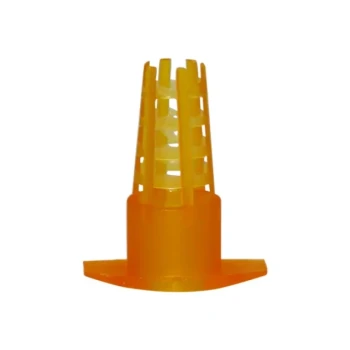
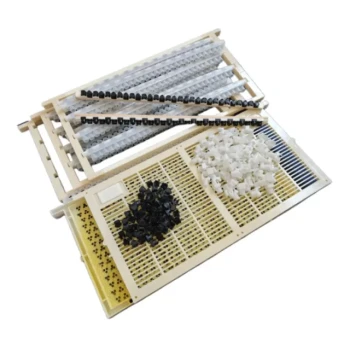
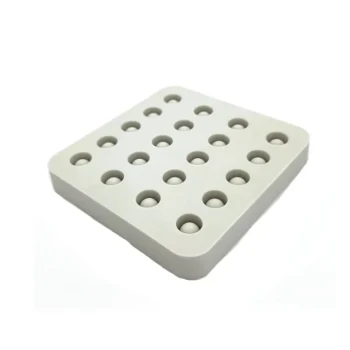
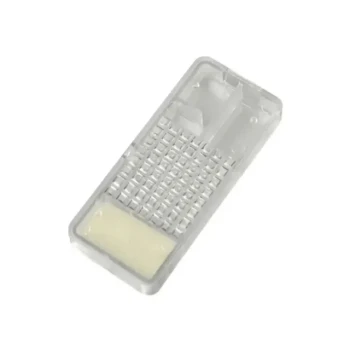
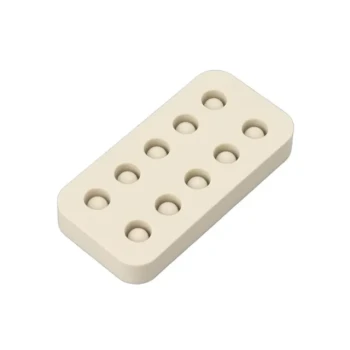
The use of specialized queen rearing cells and mating nuclei serves as the infrastructure for precise genetic control. By facilitating a controlled breeding environment, this equipment allows beekeepers to isolate and propagate specific, desirable traits—such as hygienic behavior and environmental resistance—rather than relying on random natural reproduction. This systematic approach stabilizes the apiary's genetic pool, significantly reducing the need for imported bee packages and enhancing the overall resilience of the colony.
Core Insight: Specialized rearing equipment transforms beekeeping from a passive observation of nature into an active genetic strategy. It enables the mass replication of superior maternal lines, ensuring that beneficial traits like disease resistance become the standard across your entire operation rather than a lucky exception.
The Mechanics of Genetic Control
Selecting for Specific Traits
Standard hives leave genetics to chance, but specialized rearing cells allow for targeted selection.
Beekeepers can isolate queens that demonstrate specific, high-value traits, such as hygienic behavior or a docile temperament.
This equipment acts as a physical carrier, enabling the "cloning" and distribution of these superior genes across the apiary.
Ensuring Genetic Stability
The goal of using mating nuclei is to create a controlled environment for the developing queen.
This ensures that the beneficial characteristics selected in the rearing phase are stabilized within the population.
By standardizing the genetics, you remove the variability that often leads to weak or failing colonies.
Operational Resilience and Independence
Reducing External Dependency
A major benefit of using this equipment is the reduction in reliance on imported bee packages.
Imported bees often carry unknown genetic backgrounds or lack adaptation to your specific local environment.
By rearing your own queens in mating nuclei, you create a self-sustaining system populated by locally adapted stock.
Systematic vs. Natural Replacement
Mating nuclei facilitate a shift from natural, uncontrolled replacement to systematic management.
Instead of waiting for a colony to naturally supersede a failing queen, you can proactively introduce high-quality replacements.
This intervention maintains high productivity levels and prevents the dips in population associated with natural queen failure.
Understanding the Trade-offs
The Demand for Active Management
Implementing this equipment requires a higher level of technical skill and intervention than traditional methods.
You cannot rely on the bees to manage their own genetics; you must actively select and transfer larvae.
Success depends on precise timing and strictly controlled environments, rather than passive hive monitoring.
The Risk of Reduced Diversity
While "mass-producing" superior lines improves performance, it naturally reduces genetic variation.
Over-reliance on a single maternal line can theoretically create vulnerabilities if a new threat emerges that the line is not resistant to.
Effective use of this equipment requires a strategy that balances trait standardization with sufficient genetic breadth.
Making the Right Choice for Your Goal
To maximize the genetic health of your colonies, align your use of this equipment with your specific operational targets:
- If your primary focus is Disease Management: Prioritize rearing cells to propagate queens explicitly selected for hygienic behavior to reduce reliance on chemical treatments.
- If your primary focus is Apiary Sustainability: Utilize mating nuclei to establish a closed breeding loop, eliminating the biosecurity risks and costs of importing external bee packages.
- If your primary focus is Production Consistency: Use systematic queen replacement to standardize colony temperament and foraging activity, ensuring predictable yields across all hives.
Mastering these tools grants you the power to dictate the biological future of your apiary, turning genetic luck into a reliable operational asset.
Summary Table:
| Feature | Impact on Genetic Health | Operational Benefit |
|---|---|---|
| Targeted Selection | Isolates superior traits like hygienic behavior | Predictable and docile colony temperament |
| Mating Nuclei | Stabilizes selected maternal lines | Ensures consistent performance across hives |
| Local Adaptation | Reduces reliance on imported bee packages | Higher survival rates in specific climates |
| Systematic Management | Replaces random supersedure with control | Prevents population dips and productivity loss |
Elevate Your Apiary’s Genetic Strategy with HONESTBEE
Take full control of your colony's future by transitioning from passive observation to active genetic management. HONESTBEE specializes in supporting commercial apiaries and distributors with the high-precision infrastructure needed for superior breeding.
From specialized queen rearing cells and mating nuclei to advanced beekeeping machinery and hive-making equipment, we provide the full spectrum of tools required to scale your operations. Our comprehensive wholesale offering ensures you have access to the essential consumables and hardware needed to foster disease-resistant, high-yield bee populations.
Ready to build a more resilient and self-sustaining apiary?
Contact HONESTBEE Today to Discuss Your Wholesale Needs
References
- Marwan M Keshlaf. The past and present status of beekeeping in Libya. DOI: 10.1080/00218839.2017.1306372
This article is also based on technical information from HonestBee Knowledge Base .
Related Products
- Twin Queen Styrofoam Honey Bee Nucs Mating and Breeding Box
- Portable Bee Mating Hive Boxes Mini Mating Nucs 8 Frames for Queen Rearing
- Automatic Heat Preservation 6 Frame Pro Nuc Box for Honey Bee Queen Mating
- Brown Nicot Queen Cell Cups for Breeding Queen Bees Beekeeping
- JZBZ Langstroth Queen Rearing Frame for Beekeeping
People Also Ask
- What are the benefits of using double nuc boxes in beekeeping? Boost Apiary Resilience & Growth
- What are the practical advantages of a double nuc box? Maximize Efficiency with Standardized Beekeeping Gear
- What is the frame capacity of each side in a double nuc box? Master Queen Rearing & Colony Starts
- What are the advantages of double nuc boxes in winter? Boost Survival Rates & Apiary Resilience
- What is the purpose of exploring double nuc boxes in beekeeping? Boost Apiary Resilience & Growth