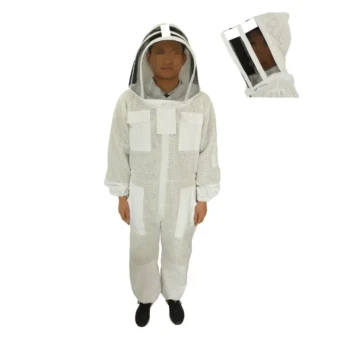
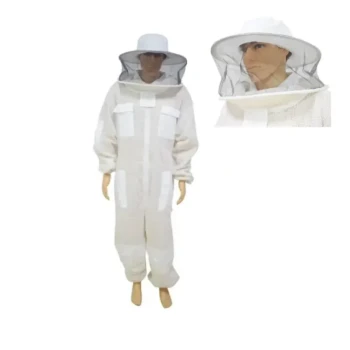
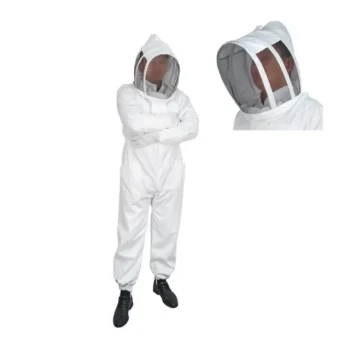
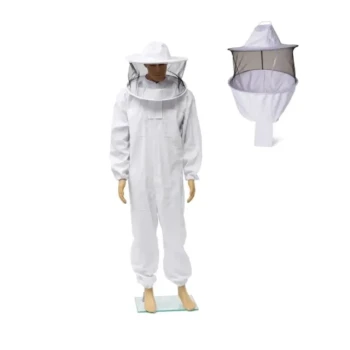
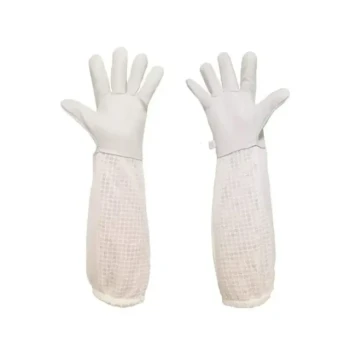
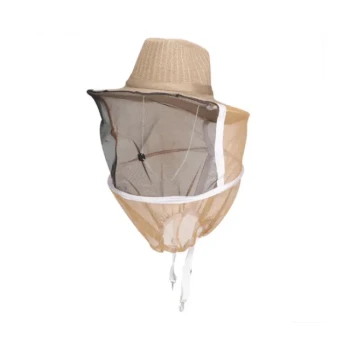
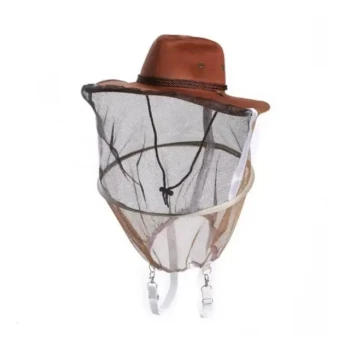
Vented beekeeping suits and veils function as a critical dual-purpose interface that ensures physical safety while enabling precision colony management. By establishing a robust barrier between the bees and the body, this gear neutralizes the immediate threat of stings, allowing the beekeeper to work with the steady, non-threatening movements required to keep a hive calm.
Core Takeaway The true value of protective gear lies in its ability to minimize hive disturbance; by removing the beekeeper's fear of stings, the suit enables calmer handling, which prevents the escalation of aggressive colony behavior and allows for more thorough, efficient management.
The Mechanics of Safety and Control
Establishing the Physical Barrier
The primary function of a vented suit and veil is to keep bees away from the body and clothing. This separation is the first line of defense, preventing direct contact with the skin and drastically reducing the likelihood of stings.
Breaking the Aggression Cycle
Honeybee aggression is often reactive. When a beekeeper is stung or fearful, their movements tend to become erratic or jerky, which further alarms the colony. By utilizing proper safety gear, the beekeeper remains protected, preventing the panic that triggers a defensive swarm response.
Facilitating Calm Hive Management
A calm colony is biologically less inclined to exhibit aggressive stinging behavior. The use of a veil and suit allows the beekeeper to perform inspections and relocations with a deliberate calmness. This minimizes disturbance to the bees, maintaining a lower stress environment for the entire colony.
Impact on Operational Efficiency
Enabling Complex Operations
With the safety assurance provided by professional gear, beekeepers can focus on complex tasks rather than self-preservation. This focus is essential for executing precise operations such as hive inspections, colony splitting, and honey harvesting without interruption.
Reducing Labor Intensity
Protective gear contributes to a reduction in the labor intensity required for hive maintenance. When the beekeeper is not fighting off defensive bees, the time required to service each hive is minimized. This efficiency is a prerequisite for increasing the scale of operations.
Supporting Pest and Disease Control
Effective management extends to the biological health of the hive. The confidence provided by the suit allows for the rigorous application of biological or physical control equipment necessary to prevent colony absconding or death due to disease.
Operational Trade-offs and Considerations
Equipment Hygiene is Critical
While the suit protects the user, the equipment itself requires maintenance. Regular hygiene maintenance of the gear is necessary to prevent the mechanical spread of pests and diseases between colonies, which can compromise biological assets.
Dependency on Integrated Tools
A suit is not a standalone solution for aggression. It must be used in conjunction with tools like the bee smoker, which produces cool smoke to mask alarm pheromones. Relying solely on the suit without managing the colony's pheromone signals can still lead to an agitated, albeit non-stinging, hive.
Making the Right Choice for Your Goal
To maximize the utility of your beekeeping equipment, align your usage with your specific operational objectives:
- If your primary focus is Beekeeper Safety: Prioritize the physical integrity of the veil and suit to ensure a complete seal that eliminates the fear of stings and prevents panic-induced accidents.
- If your primary focus is Efficiency and Scale: View the suit as a time-saving tool that allows you to move faster through inspections and manage a higher volume of hives with lower fatigue.
The correct use of vented suits and veils transforms beekeeping from a defensive struggle into a controlled, efficient management process.
Summary Table:
| Feature | Impact on Safety | Impact on Colony Management |
|---|---|---|
| Physical Barrier | Prevents direct stings and skin contact | Enables steady, non-threatening movements |
| Vented Material | Reduces heat stress and beekeeper fatigue | Allows for longer, more thorough hive inspections |
| Protective Veil | Guards face/neck from defensive attacks | Maintains beekeeper focus on complex tasks like queen spotting |
| Aggression Control | Breaks the panic-sting cycle for the user | Minimizes pheromone-triggered defensive swarm responses |
Elevate Your Apiary Operations with HONESTBEE
At HONESTBEE, we understand that professional beekeeping requires a balance of safety and speed. We cater specifically to commercial apiaries and distributors, providing a comprehensive wholesale range of high-performance vented suits, precision tools, and industrial-grade machinery.
Whether you need to equip a large-scale team with protective gear or optimize your facility with honey-filling and hive-making machines, our portfolio delivers the durability and efficiency your business demands. From essential consumables to specialized hardware, we empower you to scale your operations safely.
Ready to upgrade your equipment? Contact us today to discuss our wholesale offerings and discover how we can support your growth.
Related Products
- Vented Beekeeping Jacket with Hood and Veil for Beekeepers
- Three-Layer Ventilated Beekeeper Suit with Structured Fencing Veil
- Premium Three Layer Ventilated Bee Suit with Round Veil
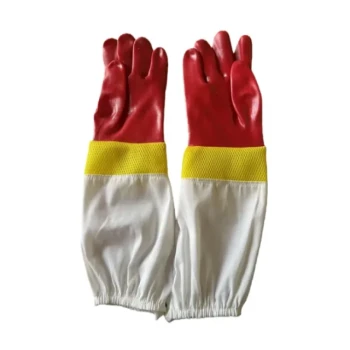
- Heavy Duty Red Rubber Beekeeping Gloves with Vented Mesh Cotton Sleeves
- Premium Cotton Beekeeper Suit with Reinforced Fencing Veil
People Also Ask
- Why is it necessary to periodically wash beekeeping suits and jackets? Protect Your Safety and Hive Peace
- What is the difference between a beekeeping suit and a bee jacket? Choose Your Best Protection
- What are the pros of using a beekeeping jacket? Unlock Superior Comfort and Mobility for Your Apiary
- What factors should a new beekeeper consider when choosing between a jacket and a full suit? Security vs. Comfort
- What are the features of an economical beekeeping jacket? Essential Protection for Budget-Conscious Beekeepers