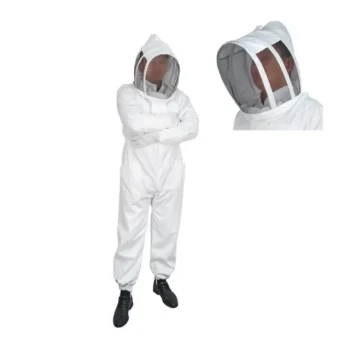
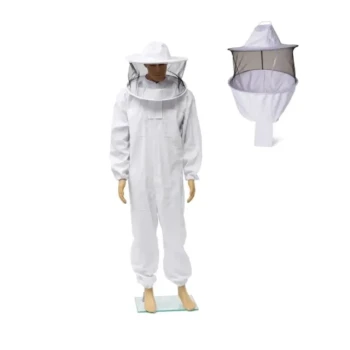
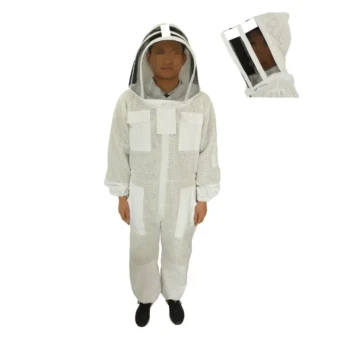
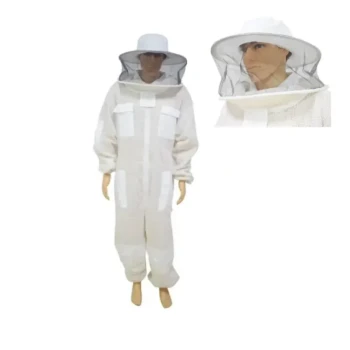
Periodic washing of beekeeping gear is a safety imperative, not just a hygiene preference. While laundering certainly removes accumulated dirt, sweat, and sticky hive substances like wax and propolis, its most critical function is the removal of bee venom and embedded alarm pheromones. Failure to wash these invisible chemical markers out of the fabric can trigger defensive behavior in bees during future inspections, making them more likely to attack and sting you again.
By washing your suit, you are effectively "resetting" the chemical signals you present to the hive. A clean suit prevents you from walking into an apiary smelling like a threat, ensuring calmer bees and a safer working environment.
The Science of Safety: Pheromones and Venom
Eliminating the Target
When a bee stings your suit, it deposits an alarm pheromone on the fabric. This chemical signal marks you as a threat and directs other bees to attack the same specific area.
Preventing Escalation
If you do not wash your suit, these pheromones persist. Returning to the hive with a pheromone-laden jacket can provoke an immediate, aggressive response from the colony, turning a routine inspection into a dangerous situation.
Reducing Allergen Exposure
Dried venom left on the fabric poses a health risk to the beekeeper. Regular washing removes these residues, reducing prolonged contact with venom and lowering the risk of developing or aggravating allergic reactions.
Hygiene and Material Integrity
Managing Hive Residue
Beekeeping is messy work involving propolis, wax, and honey. If allowed to accumulate, these substances can stiffen the fabric, reducing comfort and potentially compromising the seal of zippers or Velcro closures.
Preventing Fiber Degradation
Sweat and dirt are abrasive and chemically damaging to textiles over time. Periodic cleaning removes these contaminants, preventing premature rotting or weakening of the fabric that keeps you safe.
Understanding the Trade-offs: Cleanliness vs. Wear
The Risk of Over-Washing
While safety is paramount, washing a suit after every single use is not always necessary and can degrade the fabric. Excessive laundering accelerates wear and tear, potentially thinning the material that protects you from stings.
The Danger of Heat
One common pitfall is the use of mechanical dryers. Heat can shrink the protective fabric, exposing your skin, and will melt residual wax or propolis, spreading it into the mesh and ruining ventilation. Always air-dry your gear.
Optimizing Your Maintenance Routine
To balance safety with gear longevity, apply the following principles based on your specific situation:
- If your primary focus is safety after a difficult inspection: Wash the suit immediately to remove alarm pheromones, regardless of how "clean" it looks, to prevent future aggression.
- If your primary focus is routine maintenance: Wash the suit once a week or when it becomes visibly stained to prevent resource buildup without over-stressing the fabric.
- If your primary focus is preserving gear life: Use a gentle cycle with warm water and wash the item alone to avoid friction damage and cross-contamination.
Treat your protective clothing as a vital tool; keeping it chemically neutral is as important as keeping your hive tool sharp.
Summary Table:
| Aspect | Importance of Washing | Maintenance Recommendation |
|---|---|---|
| Safety | Removes alarm pheromones and venom that trigger bee aggression. | Wash immediately after any stinging incident. |
| Hygiene | Clears away sweat, propolis, and wax buildup. | Wash weekly or when visibly soiled. |
| Durability | Prevents fiber degradation from salt and dirt. | Use gentle cycles; avoid mechanical dryers. |
| Comfort | Keeps fabric supple and ensures zippers function correctly. | Air-dry to prevent shrinkage and wax melting. |
Elevate Your Apiary Safety with HONESTBEE
At HONESTBEE, we understand that high-quality protective gear is the backbone of a successful beekeeping operation. As a premier provider for commercial apiaries and distributors, we offer a comprehensive wholesale range including durable beekeeping suits, advanced honey-filling machinery, and essential industry consumables.
Our mission is to supply you with the tools and hardware needed to scale your business while ensuring maximum safety for your team. From specialized hive-making equipment to honey-themed cultural merchandise, we provide the full spectrum of support for your growth.
Ready to upgrade your equipment or restock your inventory? Contact our expert team today to discover how our wholesale solutions can enhance your efficiency and safety.
Related Products
- White Cotton Beekeeping Jacket and Veil for Bee Keepers
- Vented Beekeeping Jacket with Hood and Veil for Beekeepers
- Beekeeping Jacket with Hood and Veil for Beekeepers
- Economy Polyester Beekeeping Jacket with Veil and Hat
- Premium Cotton Beekeeper Suit with Reinforced Fencing Veil
People Also Ask
- What are the features of an economical beekeeping jacket? Essential Protection for Budget-Conscious Beekeepers
- What are the pros of using a beekeeping jacket? Unlock Superior Comfort and Mobility for Your Apiary
- What factors should a new beekeeper consider when choosing between a jacket and a full suit? Security vs. Comfort
- What are the advantages of a beekeeping jacket? Superior Mobility & Comfort for Routine Hive Inspections
- When is a beekeeping jacket considered a more suitable choice than a full suit? Optimize Your Apiary Mobility