The water content of honey is the primary determinant of its long-term freshness and stability. Lower water content directly correlates with better preservation, while higher water content introduces biological risks that can compromise the product.
The rule of thumb for honey storage is simple: the lower the moisture, the longer the shelf life. While low moisture may alter texture, high moisture threatens the honey's actual viability as a food product.
The Dynamics of Moisture and Spoilage
The Danger of High Water Content
Honey is naturally resistant to bacteria, but this defense mechanism relies heavily on low moisture. When water content is high, that natural protection is compromised.
This vulnerability is exacerbated if the honey is stored incorrectly. Poor storage conditions combined with high moisture create an environment ripe for biological activity.
The Mechanism of Fermentation
The specific risk associated with high moisture is fermentation. This process alters the chemical composition of the honey, effectively spoiling it for normal consumption.
Once fermentation occurs, the honey is no longer suitable for general resale. It is typically downgraded to "baker’s honey," which has significantly lower value and limited utility compared to table-grade honey.
Understanding the Trade-offs
The Side Effect of Low Moisture
While removing water ensures safety, it does have physical side effects. Honey with very low moisture content tends to crystallize or granulate rapidly.
Distinguishing Texture from Quality
It is critical to distinguish between spoilage and physical changes. Crystallization is merely a change in texture and seldom causes other problems.
Unlike fermentation, granulation does not mean the honey has gone bad. It remains perfectly safe to eat and retains its high quality, whereas fermented honey is fundamentally damaged.
Making the Right Choice for Your Goal
To ensure you are managing your honey inventory effectively, assess your moisture levels against your storage needs.
- If your primary focus is long-term preservation: Ensure water content is kept as low as possible to eliminate the risk of fermentation and spoilage.
- If your primary focus is avoiding product loss: Recognize that high-moisture honey risks becoming unsellable for anything other than industrial baking use.
Prioritizing low water content is the only reliable way to guarantee your honey remains fresh and retains its maximum market value.
Summary Table:
| Moisture Level | Freshness Status | Primary Risk | Best Use / Outcome |
|---|---|---|---|
| Low (<18%) | Highly Stable | Rapid Crystallization | Long-term storage & premium table-grade honey |
| High (>20%) | Unstable | Fermentation | Downgraded to "Baker’s Honey" with lower value |
| Incorrect Storage | Compounded Spoilage | Bacterial Growth | Loss of product viability and safety |
Maximize Your Honey Quality with HONESTBEE Professional Solutions
Protect your harvest and ensure peak market value with high-performance equipment from HONESTBEE. We understand that for commercial apiaries and distributors, precision is everything. From advanced honey-filling machines that maintain product integrity to specialized hive-making hardware, we supply the full spectrum of beekeeping tools and industry consumables.
Whether you need to upgrade your processing line or source reliable wholesale supplies, HONESTBEE provides the machinery and cultural merchandise you need to grow your business. Contact us today to optimize your production and keep your honey at its finest!
Related Products
- High Quality Honey Dehumidifier Dryer Thickening Machine for Beekeeping
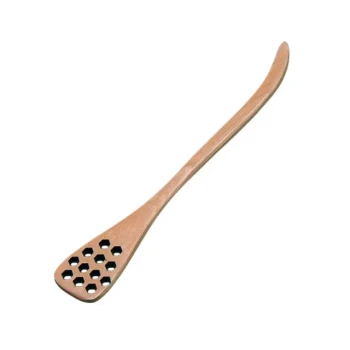
- Modern Honeycomb Pattern Wooden Honey Dipper for Stirring and Drizzling
- Economy Small Scale Honey Dryer Dehumidifier Thickening Machine
- Classic Honey Bear Jars with Flip Top Dispensing Cap for Liquid Sweeteners
- Inverted Squeezable Honey Jar with No Drip Flip Top Cap for Easy Pouring
People Also Ask
- Can you dehumidify honey? A Beekeeper's Guide to Preventing Fermentation
- How to dry up honey? The Safe Guide to Stabilizing Honey and Preventing Fermentation
- How can the moisture content of honey be reduced? A Guide to Safe, Effective Drying Methods
- How to remove humidity from honey? Protect Your Harvest from Fermentation
- How to decrease moisture in honey? Prevent Fermentation and Ensure Long-Term Quality