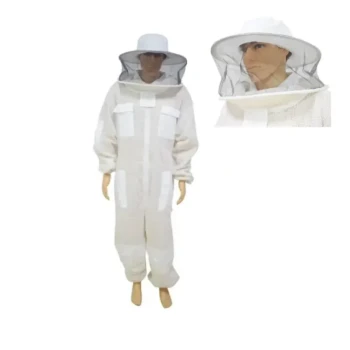
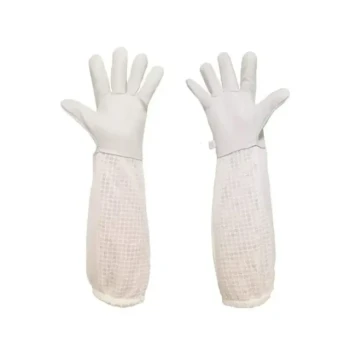
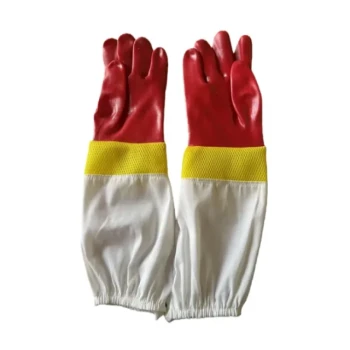
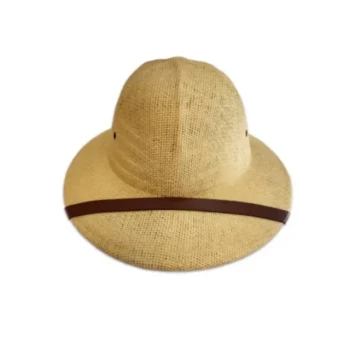
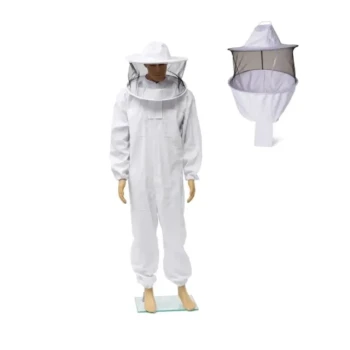
Ventilated beekeeping clothing functions through a specialized triple-ply construction designed to create a safe distance between the hazard and your skin. Unlike traditional single-layer cotton suits that rely on fabric density to block stingers, ventilated gear relies on thickness. The material is engineered to be deeper than the length of a bee's stinger, preventing it from reaching your body while allowing air to circulate freely.
The core innovation of ventilated gear is shifting protection from "barrier density" to "barrier depth." By using a mesh that is thicker than a stinger's reach, these suits allow for maximum airflow without compromising safety, directly addressing the dangerous fatigue caused by overheating.
The Mechanics of Triple-Ply Protection
The Stinger vs. Thickness Principle
The fundamental design of ventilated clothing is based on simple geometry. A honey bee’s stinger has a finite length.
If the protective clothing is thicker than that length, the stinger cannot physically reach the beekeeper's skin.
Allowing Air Passage
While the material is thick, it is not solid. The construction utilizes a mesh design—often triple-ply—that is porous.
This structure operates on the fact that air molecules are infinitely smaller than a bee's stinger. Consequently, cooling breezes pass through the layers effortlessly, while the bee is held at a safe distance from your skin.
Why Ventilation is a Safety Feature
Regulating Body Temperature
The primary operational advantage of ventilated suits is the prevention of overheating.
Working in high temperatures with heavy gear creates a risk of dehydration and heat exhaustion. Ventilated materials mitigate this by allowing body heat to escape and fresh air to enter.
Preventing "Inspection Rush"
Discomfort is a subtle but significant safety hazard in the apiary.
When a beekeeper is sweating and uncomfortable, there is a natural psychological tendency to rush through the hive inspection to finish quickly.
Rushed inspections lead to mistakes, overlooked hive issues, and agitated bees. By maintaining physical comfort, ventilated gear allows you to work wisely and efficiently for longer periods.
Common Pitfalls to Avoid
The Coverage Gap
While a ventilated suit protects your body, it does not cover everything. A common point of failure is footwear.
Beekeepers often neglect their feet, leading to sweaty, uncomfortable conditions that negate the comfort of the suit.
Balancing Airflow and Seal
It is critical to remember that while the fabric allows air in, it must still prevent bees from entering.
You must ensure that the balance between ventilation and protective coverage is maintained, particularly where the suit meets gloves and footwear. Breathable shoes are recommended for hot climates, but they must still offer enough structure to prevent stings.
Making the Right Choice for Your Goal
- If your primary focus is working in high heat: Prioritize a triple-ply ventilated suit to reduce the risk of dehydration and allow for extended field work.
- If your primary focus is inspection quality: Use ventilated gear to minimize physical discomfort, ensuring you have the patience to perform thorough, unhurried hive checks.
The effectiveness of your protective gear is measured not just by how well it stops stings, but by how well it sustains your ability to work.
Summary Table:
| Feature | Ventilated Triple-Ply Gear | Traditional Cotton Suits |
|---|---|---|
| Protection Method | Material Thickness (Barrier Depth) | Fabric Density (Barrier Strength) |
| Airflow/Breathability | High - Porous mesh allows wind through | Low - Solid weave traps body heat |
| Heat Stroke Risk | Low - Actively regulates temperature | Moderate to High - Risk of overheating |
| User Comfort | High - Reduces sweat and fatigue | Low - Heavy and restrictive in summer |
| Safety Focus | Prevents stings and heat exhaustion | Focuses primarily on sting prevention |
Elevate Your Apiary Safety with HONESTBEE Professional Gear
Don't let heat exhaustion compromise your hive inspections. HONESTBEE provides commercial apiaries and distributors with premium, triple-ply ventilated suits designed for maximum durability and breathability. As a comprehensive wholesale partner, we offer everything from advanced protective clothing to specialized honey-filling machinery and hive-making equipment.
Why partner with HONESTBEE?
- Wholesale Excellence: Full spectrum of beekeeping tools and industry consumables.
- Commercial Durability: Equipment engineered to withstand the rigors of large-scale operations.
- Global Distribution: Reliable supply chains for specialized hardware and cultural merchandise.
Ready to upgrade your inventory or professional outfit? Contact us today to discuss your wholesale needs and see how our expertise can support your business growth.
Related Products
- Three-Layer Ventilated Beekeeper Suit with Structured Fencing Veil
- Premium Three Layer Ventilated Bee Suit with Round Veil
- Vented Beekeeping Jacket with Hood and Veil for Beekeepers
- Premium Ventilated Goatskin Beekeeping Gloves with Full 3-Layer Mesh Sleeve
- Heavy Duty Red Rubber Beekeeping Gloves with Vented Mesh Cotton Sleeves
People Also Ask
- What material and design specifications are recommended for a high-quality beekeeper suit? Top Gear Selection Guide
- What are the characteristics of a specific ventilated beekeeper's suit? Advanced Cooling & Protection for Beekeepers
- What are the advantages of a ventilated bee suit? Stay Cool and Protected During Hive Inspections
- How do ventilated bee suits improve comfort? Beat the Heat with Superior Airflow Design
- What is the primary advantage of ventilated beekeeping clothing? Stay Cool and Focused in the Apiary