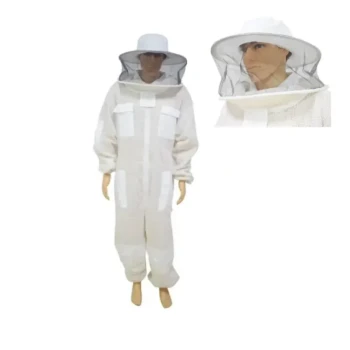
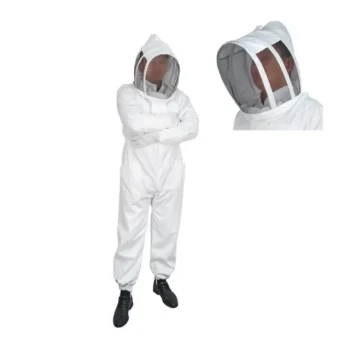
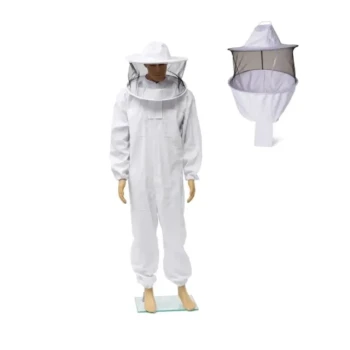
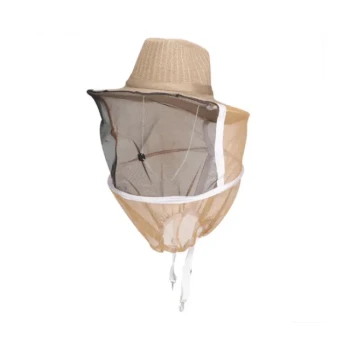
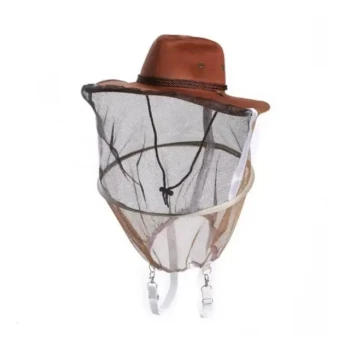
The primary advantage of ventilated beekeeping clothing is significantly improved thermal regulation. By utilizing breathable materials, this gear prevents overheating and dehydration during hive inspections, particularly in the heat of summer. This physical comfort directly impacts your ability to work safely and efficiently without the distraction of heat exhaustion.
While traditional gear protects you from stings, ventilated clothing protects you from the environment. It ensures that physical discomfort does not force you to rush a hive inspection, allowing for the patience required to manage bees wisely.
The Mechanics of Protection and Airflow
To understand why this gear is effective, you must look at how it manages the contradiction of being permeable to air but impermeable to insects.
Triple-Ply Construction
Most high-quality ventilated gear relies on a triple-ply design. Rather than a single sheet of thick fabric, it uses multiple layers of permeable foam or mesh.
The Stinger Principle
These layers are engineered based on a simple physical principle: depth versus permeability. The layers are stacked to be thicker than the length of a bee’s stinger, preventing it from reaching your skin.
Air Molecule Permeability
Because the material is mesh or foam rather than a tight weave, air molecules pass through freely. This allows the breeze to reach your skin while the physical thickness keeps the biological threat (the stinger) at bay.
The Impact on Inspection Quality
The true value of ventilated gear is not just comfort; it is the preservation of inspection integrity.
Eliminating the "Rush" Factor
When a beekeeper is overheating in a single-layer cotton suit, the natural physiological response is to finish the task as quickly as possible. This leads to rushing, which causes mistakes and missed problems within the hive.
Sustained Focus
Ventilated jackets and suits reduce sweat and moisture buildup. By remaining cool, you can maintain the mental focus needed to spot queens, identify diseases, or handle frames gently, regardless of the ambient temperature.
Reducing Dehydration Risk
Heat stress is a genuine safety hazard in apiaries. Ventilated gear mitigates the risk of dehydration and heat exhaustion, which are common when working physically in direct sunlight.
Understanding the Trade-offs
While ventilated gear offers superior comfort, there are specific limitations inherent to its design that you must consider.
Durability Concerns
The mesh and foam materials used in ventilated gear are generally less durable than traditional heavy cotton or leather. They may snag more easily on hive tools or briars.
Glove Vulnerabilities
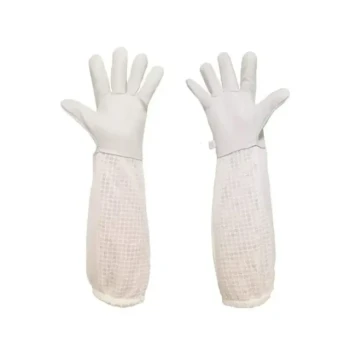
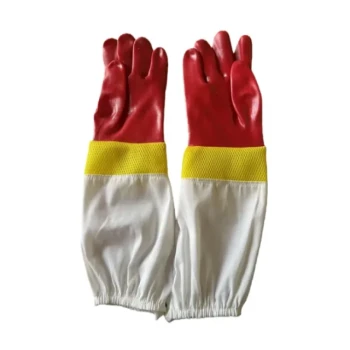
Ventilated gloves feature mesh panels at the wrist to increase airflow and reduce weight. However, this mesh is a weak point; unlike solid leather, it is possible for a bee to sting through the mesh area if the fabric is pressed tight against the skin.
Protection Variance
While the triple-ply body suits are highly effective, lightweight ventilated gloves may not offer the same level of hand protection against injuries or heavy stinging events as thicker, traditional leather gloves.
Making the Right Choice for Your Goal
Selecting the right gear depends on your environment and your specific role in the apiary.
- If your primary focus is working in hot climates: Prioritize triple-ply ventilated jackets or suits to prevent heat exhaustion and ensure you do not rush critical inspections.
- If your primary focus is maximum durability: Be aware that ventilated mesh gloves wear out faster than leather; consider using ventilated body gear paired with traditional leather gloves for heavy work.
- If your primary focus is outfitting temporary guests: You may rely on single-layer cotton suits as backup gear, as they are sufficient for short durations where long-term heat management is not a factor.
Ventilated clothing is an investment in your endurance, ensuring that your patience lasts as long as the job requires.
Summary Table:
| Feature | Ventilated Gear (Triple-Ply) | Traditional Cotton Gear |
|---|---|---|
| Primary Benefit | Maximum airflow & thermal regulation | High physical durability |
| Sting Protection | Thickness of layers exceeds stinger length | Tight weave barrier |
| Breathability | High (Multi-layer mesh/foam) | Low (Retains body heat) |
| Weight | Lightweight & flexible | Heavier when damp with sweat |
| Best Use Case | Long summer inspections & hot climates | Short-term use or high-abrasion tasks |
Elevate Your Apiary Operations with HONESTBEE
At HONESTBEE, we understand that commercial beekeeping demands equipment that balances protection with operator endurance. Whether you are managing a large-scale commercial apiary or acting as a distributor for professional-grade supplies, our comprehensive wholesale catalog has you covered.
From high-performance ventilated suits and protective gear to industrial honey-filling machines and hive-making equipment, we provide the tools necessary to scale your business efficiently.
Why partner with us?
- Wholesale Excellence: Competitive pricing on full-spectrum beekeeping machinery and consumables.
- Industry Expertise: Specialized hardware designed for the rigors of professional honey production.
- Diverse Portfolio: From essential hardware to honey-themed cultural merchandise.
Ready to upgrade your equipment or stock your distribution center? Contact us today to receive our full wholesale catalog and expert consultation!
Related Products
- Three-Layer Ventilated Beekeeper Suit with Structured Fencing Veil
- Vented Beekeeping Jacket with Hood and Veil for Beekeepers
- Premium Three Layer Ventilated Bee Suit with Round Veil
- Premium Ventilated Goatskin Beekeeping Gloves with Full 3-Layer Mesh Sleeve
- Heavy Duty Red Rubber Beekeeping Gloves with Vented Mesh Cotton Sleeves
People Also Ask
- What material and design specifications are recommended for a high-quality beekeeper suit? Top Gear Selection Guide
- What are the characteristics of a specific ventilated beekeeper's suit? Advanced Cooling & Protection for Beekeepers
- What are the advantages of a ventilated bee suit? Stay Cool and Protected During Hive Inspections
- How do ventilated bee suits improve comfort? Beat the Heat with Superior Airflow Design
- How does a ventilated suit balance sting protection and comfort? The Science of Cool, Safe Beekeeping