In conventional Langstroth hive management, the queen is controlled primarily through the use of a queen excluder. This device—typically a metal grid placed between the lower brood boxes and the upper honey supers—physically confines the queen to the bottom of the hive, effectively separating the colony’s nursery from its food storage.
The queen excluder solves a logistical problem for the beekeeper by keeping honey frames free of brood, but it creates a biological constraint for the bees. By artificially restricting the queen, you commit to a higher management burden to ensure the colony does not become overcrowded or stressed.
The Mechanics of Exclusion
How the Barrier Works
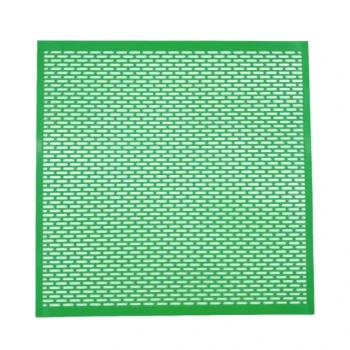
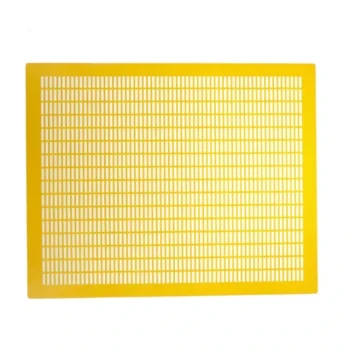
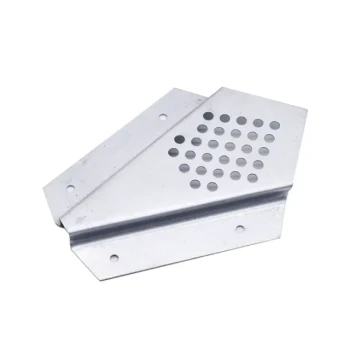
The queen excluder is a flat section of the hive featuring a gauged metal or plastic grid. The spacing of this grid is precise: it is large enough for the smaller worker bees to pass through freely, but too narrow for the larger abdomen of the queen.
Strategic Placement
To install the device, the beekeeper removes the honey supers and places the excluder directly on top of the brood chamber. It is critical that the excluder lies flat and sits tightly against the box edges to prevent gaps the queen could squeeze through.
Separating Brood from Harvest
The primary goal of this management style is to restrict the queen to the bottom two boxes. This ensures she lays eggs only in the lower "brood chamber," while the upper boxes (honey supers) remain reserved exclusively for honey storage.
The Operational Implications
Simplifying the Harvest
By preventing the queen from entering the upper supers, you ensure that no larvae (brood) are present in the honey frames during extraction. Harvesting honey from frames containing brood is messy, complicated, and often destructive to the developing bees.
Maintenance Requirements
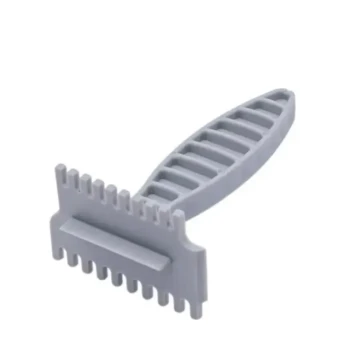
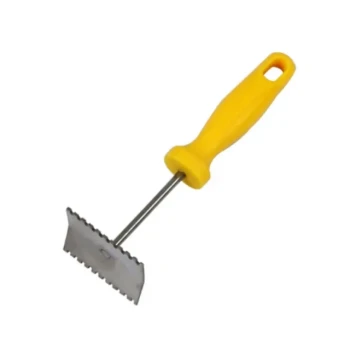
While the excluder allows workers to pass, it can still act as a bottleneck. Beekeepers must regularly check the grid to clear any blockages, ensuring the flow of worker bees remains efficient.
Understanding the Trade-offs
The Cost of Restriction
The primary reference highlights that using a queen excluder is an unnatural practice. In a wild setting, a queen would move freely; confining her restricts her access to resources and space she might otherwise utilize.
The Burden of Monitoring
Because the queen is artificially limited to a specific area, the beekeeper takes on the responsibility of managing her space. You must constantly monitor the brood chamber to ensure she has enough room to lay.
If you fail to monitor this correctly, the hive can quickly face overcrowding issues in the brood nest, which is difficult to rectify once established.
Natural Management Alternatives
Removing the Artificial Barrier
It is possible to manage a Langstroth hive naturally by forgoing the queen excluder entirely. Proponents of this method argue that bees will naturally separate brood from honey when they are ready, without human intervention.
Foundationless Framework
Natural management in a Langstroth hive often pairs the removal of the excluder with the use of foundationless frames. This allows bees to build natural comb rather than following a pre-stamped pattern, though these frames often require comb guides to prevent structural issues.
Making the Right Choice for Your Goal
The decision to use a queen excluder depends on whether you prioritize harvest efficiency or natural colony behavior.
- If your primary focus is streamlined honey production: Use a queen excluder to guarantee clean, brood-free honey supers, but commit to vigilant monitoring of the brood chamber's capacity.
- If your primary focus is natural beekeeping: Remove the queen excluder to allow the colony to organize itself naturally, accepting that brood and honey may occasionally mix in the upper frames.
Successful management ultimately requires balancing the convenience of the beekeeper with the biological needs of the colony.
Summary Table:
| Management Aspect | Queen Excluder Method | Natural Management Method |
|---|---|---|
| Queen Location | Restricted to lower brood chamber | Free movement throughout the hive |
| Honey Quality | Clean, brood-free honey frames | Possible mixture of brood and honey |
| Maintenance | High (must monitor for overcrowding) | Low (bees organize space naturally) |
| Harvest Effort | Streamlined and efficient | More complex due to brood sorting |
| Bee Stress | Higher due to physical constraints | Lower (natural colony behavior) |
Maximize Your Apiary Productivity with HONESTBEE
Running a commercial apiary or distribution business requires tools that balance colony health with operational efficiency. At HONESTBEE, we specialize in providing the high-quality infrastructure you need—from precision-engineered queen excluders and Langstroth hives to advanced honey-filling machines.
Whether you are scaling up your honey production or looking for durable wholesale beekeeping consumables and hardware, our comprehensive portfolio is designed to support your growth. Let us help you streamline your operations with specialized machinery and premium beekeeping equipment.
Ready to upgrade your apiary’s efficiency?
Contact HONESTBEE Today to discuss our wholesale solutions and bulk pricing.
Related Products
- High Performance Plastic Queen Excluder for Beekeeping and Apiary Management
- Professional Plastic Queen Excluder for Modern Beekeeping
- Lightweight Durable Plastic Queen Excluder Scraper for Beekeeping
- Metal Queen Bee Excluder for Beekeeping
- Premium Wood Framed Metal Wire Queen Bee Excluder
People Also Ask
- What are the characteristics of a plastic queen excluder? Key Benefits for Cost-Effective Beekeeping
- What are the operational and cost advantages of using plastic queen excluders over metal or wire excluders in commercial hive management? Discover how they reduce labor, prevent wing damage, and lower total costs.
- What types of queen excluders are available for beekeepers? Choose the Right Tool for Your Hive
- Why are standardized hive frames and queen excluders essential for maintaining honey purity and quality? Scale Your Purity
- Do plastic queen excluders work? A Cost-Effective Solution for Modern Apiaries