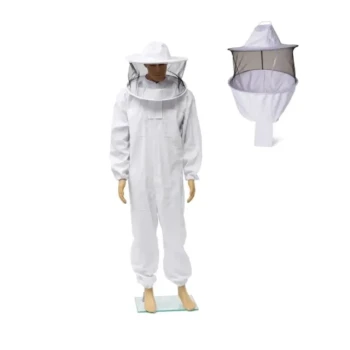
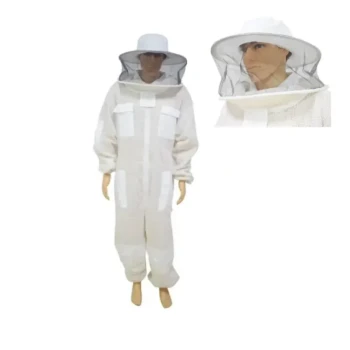
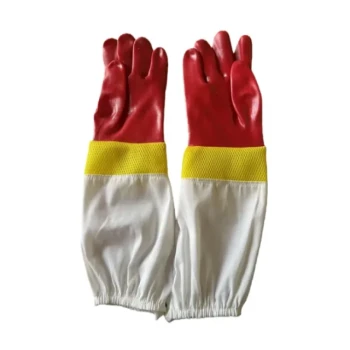
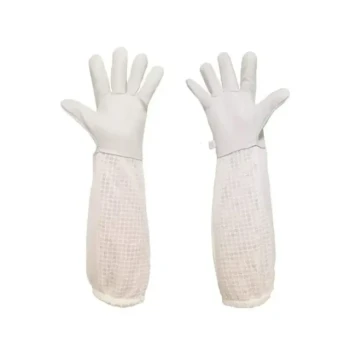
To ensure maximum safety while beekeeping, the fastening of your suit must be thorough and precise. You must ensure the suit is fully zipped up, leaving no potential openings for insects to exploit. Additionally, verify that the elastic cuffs at your wrists and ankles fit snugly, as these are the most common entry points for bees.
The effectiveness of a beekeeping suit is determined not just by the material, but by the integrity of its seals; even the highest quality suit fails if a single gap remains in the zippers or elastic cuffs.
Securing the Vulnerable Points
The Importance of a Complete Closure
The primary mechanism for sealing a beekeeping suit is the zipper system. After stepping into the suit, you must pull the zipper completely to the top to close the main opening.
Once zipped, conduct a visual and tactile inspection to ensure there are no gaps. Agitated bees are experts at finding even the smallest opening, so a partially closed zipper renders the suit ineffective.
Sealing the Extremities
Your wrists and ankles are high-risk areas because the fabric moves as you work. Most suits rely on elastic bands at these points to maintain a seal.
You must ensure this elastic creates a snug fit against your skin or underlying clothing. If the elastic is loose, it creates an easy pathway for bees to crawl up your legs or sleeves.
Maintenance as a Safety Protocol
Routine Inspection for Breaches
A fastened suit cannot protect you if the material itself is compromised. You must regularly inspect the suit for tears or holes before putting it on.
Any damage found during inspection should be repaired promptly. A small hole bypasses all your fastening efforts and offers bees a direct route inside.
Cleaning to Preserve Integrity
To maintain the suit's protective qualities, wash it after every use to remove honey, propolis, and sweat. Accumulation of these substances can degrade the fabric or attract bees.
Store the suit in a clean, dry location away from direct sunlight. UV exposure and improper storage can weaken the material and the elastic, making your fastenings less secure over time.
Understanding the Limitations
No Suit is impenetrable
It is vital to understand that while proper fastening drastically reduces risk, no beekeeping suit is 100% sting-proof.
The Risk of Penetration
Even with a fully zipped suit and tight elastic, a stinger can occasionally penetrate the fabric itself. Furthermore, if you miss a small gap during your check, determined bees may find their way in.
Ensuring Maximum Protection in the Apiary
To minimize your risk of being stung, follow these guidelines based on your immediate needs:
- If your primary focus is immediate safety: Double-check that all zippers are fully closed and that wrist and ankle elastic creates a tight, gap-free seal against your body.
- If your primary focus is equipment longevity: Wash the suit after every use and inspect it for holes to ensure the fabric remains a viable barrier.
Vigilance in fastening your gear and maintaining its condition is the only way to confidently work with your hive.
Summary Table:
| Key Sealing Point | Action Required | Protective Function |
|---|---|---|
| Main Zippers | Pull completely to the top and lock | Prevents core entry into the suit body |
| Wrist Cuffs | Ensure snug fit against skin or gloves | Blocks bees from crawling up sleeves during work |
| Ankle Cuffs | Check elasticity and secure over boots | Seals pathways for bees to enter via the legs |
| Fabric Integrity | Inspect for tears and holes before use | Maintains the primary barrier between bee and skin |
| Cleanliness | Wash after every use | Removes attractants like honey, propolis, and sweat |
Secure Your Apiary with HONESTBEE Quality
Don't let faulty gear compromise your safety. HONESTBEE specializes in providing commercial apiaries and distributors with premium, heavy-duty beekeeping suits and professional-grade machinery designed for maximum durability and protection.
From advanced hive-making equipment and honey-filling machines to a complete range of beekeeping tools and essential consumables, we empower your business to scale efficiently. Our wholesale solutions are tailored to help distributors and large-scale operations maintain the highest standards of safety and productivity.
Ready to upgrade your equipment or stock the best tools for your customers?
Contact us today to explore our full portfolio and request a quote!
Related Products
- Premium Cotton Beekeeper Suit with Reinforced Fencing Veil
- Professional Cotton Beekeeper Suit with Round Veil Design for Commercial Apiaries
- Professional Beekeeper Suit with Square Folding Cotton Veil
- White Cotton Beekeeping Jacket and Veil for Bee Keepers
- Vented Beekeeping Jacket with Hood and Veil for Beekeepers
People Also Ask
- What material and design specifications are recommended for a high-quality beekeeper suit? Top Gear Selection Guide
- How to Pre-treat Propolis Stains on Beekeeping Suits? Master Advanced Fabric Care and Soil Removal
- What features should be considered for sting protection in a beekeeping suit? Ensure Total Safety and Comfort
- What are the differences between full suits and jackets with veils in beekeeping? Choose Your Best Protection
- What features should be looked for in a beekeeping suit for maximum comfort? Prioritize Ventilation and Fit