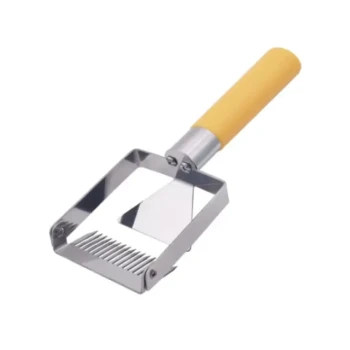
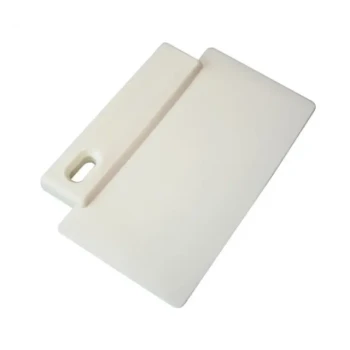
To achieve maximum efficiency, center your workspace around a large, sanitary surface like a stainless-steel table. Arrange all necessary tools within immediate arm's reach and position the station directly next to your honey extractor to minimize physical movement. Finally, incorporate gentle airflow to deter bees and ensure the area is well-lit for precision.
A truly efficient setup reduces the physical distance between uncapping and extracting, transforming a messy chore into a seamless, rhythmic workflow.
Optimizing the Physical Layout
The Foundation
Start with a base that allows for aggressive hygiene, such as a large stainless-steel table. This provides a non-porous, easily cleaned surface that can handle sticky wax cappings and honey drips without absorbing contaminants.
Tool Accessibility
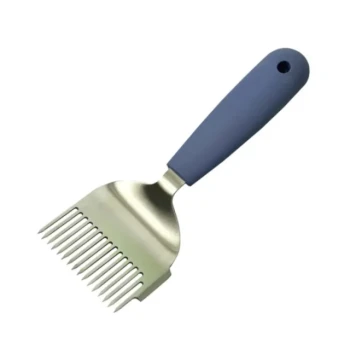
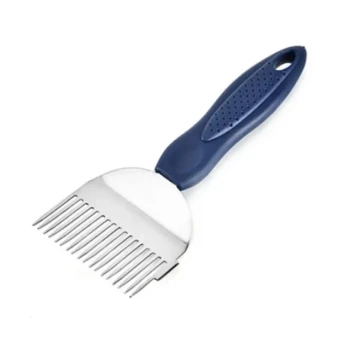
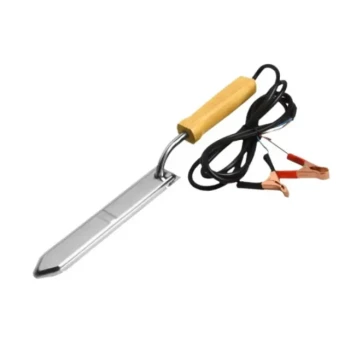
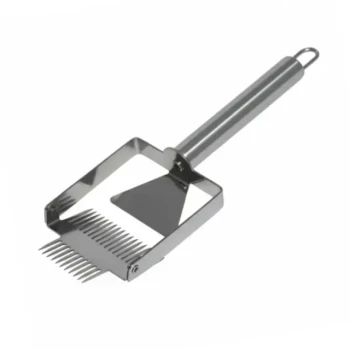
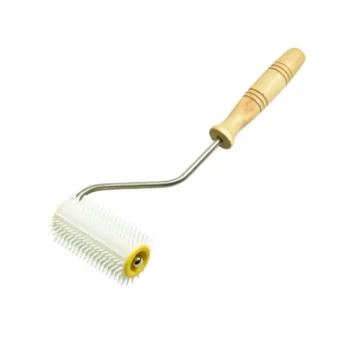
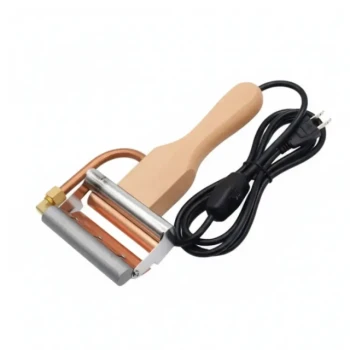
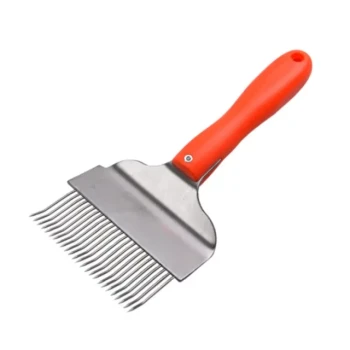
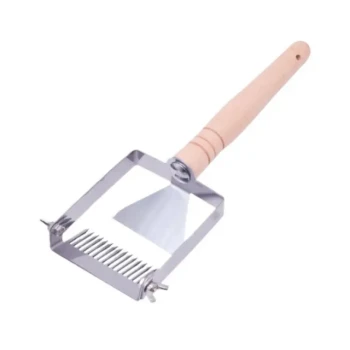
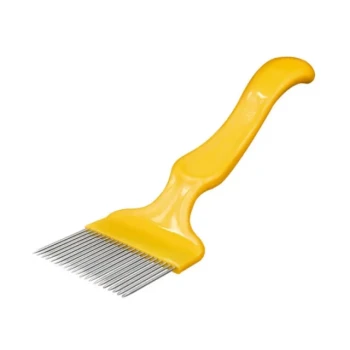
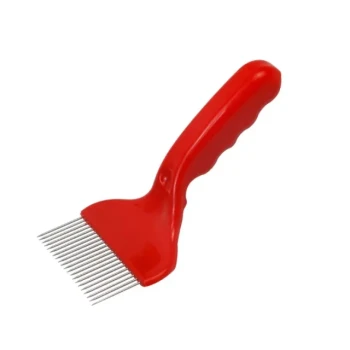
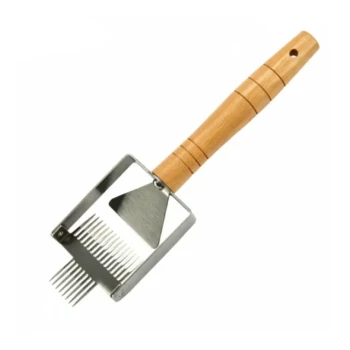
Organize your workspace so that every tool—from the heated knife to the scratching fork—is within immediate reach. You should be able to transition from slicing cappings to scraping missed areas without moving your feet.
The Extractor Connection
Position your honey extractor in close proximity to the uncapping table. This streamlines the transfer of uncapped frames, reducing the physical effort of lifting heavy combs and preventing honey from dripping across the floor during transit.
Environmental Controls
Managing Pests
Introduce a gentle airflow across the workspace, such as a fan. This simple addition helps keep bees away from the uncapping area, protecting both the operator and the exposed honey.
Visibility Standards
Ensure the workspace is well-lit. Adequate lighting is essential for visually inspecting frames to spot missed cappings that require manual scratching before extraction.
Common Pitfalls to Avoid
The "Drip Zone" Error
A common mistake is separating the uncapping station and the extractor by too much distance. This layout creates a "drip zone" on the floor that requires constant cleaning and increases operator fatigue due to unnecessary walking.
Inadequate Preparation Areas
Failing to prep for the heating method of your knife can stall the process. If using a manual knife, ensure a vessel of warm water is safely integrated into the table setup so a cold knife can be heated immediately while you work with a second one.
Making the Right Choice for Your Goal
To finalize your setup, adjust your layout based on your specific operational priorities:
- If your primary focus is Speed: Prioritize placing the extractor within arm's length of the uncapping stand to eliminate walking time between frames.
- If your primary focus is Precision: Invest in high-quality task lighting directly over the table to ensure no wax cappings are missed during the visual inspection.
Build your workspace around the flow of the honey, not just the placement of the furniture.
Summary Table:
| Setup Element | Key Requirement | Benefit |
|---|---|---|
| Work Surface | Large Stainless-Steel Table | Hygiene & Easy Cleanup |
| Proximity | Next to Extractor | Reduces Fatigue & Drip Zones |
| Tooling | Within Arm's Reach | Seamless Transitioning |
| Environment | Gentle Airflow & High Lighting | Pest Control & Precision |
| Equipment | Heated Knife & Water Vessel | Continuous Workflow |
Scale Your Apiary Operations with HONESTBEE
Transitioning from a hobbyist setup to a high-efficiency commercial operation requires more than just a plan—it requires the right infrastructure. HONESTBEE specializes in supporting commercial apiaries and distributors with a full spectrum of professional-grade beekeeping machinery and tools.
From automated honey-filling machines and industrial hive-making hardware to our comprehensive range of essential consumables, we provide the wholesale solutions you need to optimize every step of your production line.
Ready to upgrade your workflow? Contact HONESTBEE today to explore our wholesale equipment portfolio and see how our global supply expertise can grow your business.
Related Products
- Portable Uncapping Tank Holder Uncapping Bench for Beekeeping
- Professional Multi-Function Uncapping Fork with Ergonomic Rubber Grip
- Professional Multi-Function Uncapping Fork with Integrated Blade for Beekeeping
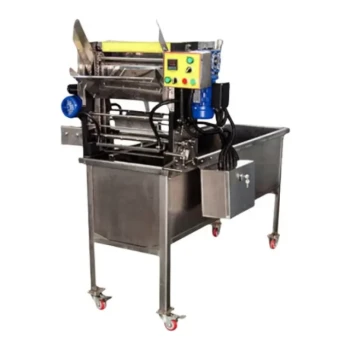
- Automatic Honey Frame Uncapper Machine for Beekeeping
- Professional 12V DC Electric Uncapping Knife for Beekeeping
People Also Ask
- Why is the configuration of a specialized uncapping bench necessary? Boost Efficiency and Reduce Waste
- What is an uncapping tank used for in honey harvesting? Maximize Your Honey Yield and Minimize Waste
- What are the functional advantages of using a dedicated uncapping tank during honey processing? Maximize Your Honey Yield
- What size uncapping tank do I need? Find the Perfect Fit for Your Apiary
- What are the specific applications of uncapping equipment in a honey processing line? Boost Your Extraction Efficiency