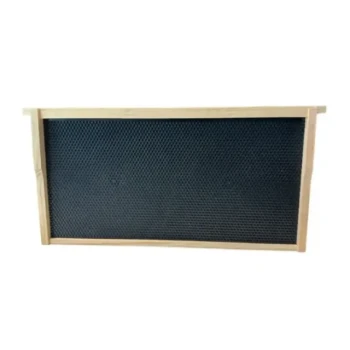
During summer heat, manage hive density toward a “combs more than bees” arrangement. Retain a few additional frames beyond the colony’s immediate requirement to create more internal space and support airflow through the hive. Do not leave the brood nest excessively open, however: the added space should improve ventilation without creating gaps that weaken colony control or invite pests.
The practical balance is modestly lower frame density, not an empty hive. Add limited extra comb space, combine it with controlled upper and lower ventilation, and monitor bee coverage, brood condition, moisture, and pest access throughout the heat period.
Why Frame Density Matters in Hot Weather
Extra comb space supports airflow
When bees occupy every available space tightly, internal air movement can become more difficult. A few additional frames create greater volume within the hive body and help distribute heat away from brood and honey stores.
This supports the colony’s natural cooling behavior and can reduce the energy workers spend fanning instead of foraging, processing honey, and caring for brood.
The goal is cooling without destabilizing the colony
The objective is not to maximize empty space. Colonies still need sufficient bees to cover brood, protect comb, regulate temperature, and defend entrances.
A practical summer configuration is therefore “combs more than bees,” but only by a limited margin. The exact number of additional frames should reflect colony strength, hive size, and the amount of brood and stores present.
How to Adjust Frame Density
Retain a few additional frames
Where the colony is strong enough to manage the space, retain a small number of extra frames beyond its immediate population requirement. This creates internal clearance while preserving the comb structure needed for brood rearing and honey storage.
Avoid making abrupt changes in a weak colony. Excessive unoccupied comb can create poorly controlled areas and may complicate pest management.
Preserve brood coverage
Frames containing brood should remain well supported by the adult bee population. If additional space is introduced, check that bees can still cover brood and maintain normal colony organization.
The ventilation benefit is secondary to brood protection. A configuration that produces airflow but leaves brood poorly covered is not an effective summer solution.
Match the adjustment to colony strength
Strong colonies generally tolerate additional internal space better than small colonies. Weak colonies may need a more compact arrangement even during hot weather because they have fewer workers available to regulate and defend the hive.
Inspect after the adjustment rather than assuming the configuration will remain suitable. Bee population, brood area, nectar flow, and weather can change quickly during summer.
Combine Density Management With Controlled Ventilation
Use upper and lower airflow paths
Screened bottom boards, upper entrances, hive stands, and appropriate spacers can improve air circulation through the colony. These components work best when airflow is continuous but not so open that pests, robber bees, or excessive drafts gain easy access.
Where a spacer is used between brood and super chambers, the gap should be narrow enough to prevent unrestricted bee passage if that is the management objective.
Consider adjustable ventilation openings
Small, closable ventilation holes near the upper part of hive bodies or supers can provide additional airflow during peak heat. Removable corks or similar closures allow the openings to be adjusted as weather and colony conditions change.
Any modification should be fitted securely and monitored for pest entry, robbing, and unwanted disruption of the colony’s normal traffic.
Manage moisture as well as temperature
Hot weather can still produce condensation and excessive humidity inside the hive. Tilting the inner cover or using a screened bottom board can help moisture escape while maintaining a reasonably stable internal environment.
Highly insulated hives may naturally reduce cold surfaces and condensation, so additional ventilation should be based on observation rather than applied automatically.
External Measures That Support Frame Management
Provide shade without eliminating useful light
Position hives in dappled sunlight or partial shade during extreme heat. When ambient temperatures reach approximately 45°C–47°C, relocation to a shaded area becomes especially important.
A hive should not be exposed to prolonged direct heat simply because additional frames have been added. Internal space cannot compensate for severe external heat loading.
Maintain access to clean water
A nearby, reliable source of clean water helps bees regulate hive temperature and maintain colony hydration. It also reduces the likelihood that foragers will seek water from unsuitable locations.
Water management is a complement to ventilation, not a replacement for it.
Use covers carefully
During extreme heat, top covers may be shielded with wet gunny bags or rice matting where appropriate. These measures should be monitored so that they do not trap moisture or interfere with the hive’s ability to release heat.
Understanding the Trade-offs
Too few frames can increase heat pressure
A highly crowded hive may have less internal clearance for air circulation. Workers may need to fan more intensively, and heat can place additional stress on brood and stored honey.
The warning signs are not limited to temperature readings; excessive bearding, persistent fanning, poor brood condition, and abnormal congestion can indicate that the colony needs attention.
Too many frames can weaken colony control
Leaving excessive empty space may make it harder for a small colony to patrol, defend, and regulate the hive. It can also create conditions that favor pests or encourage undesirable comb management.
For this reason, “combs more than bees” means a few extra frames, not a largely vacant brood chamber.
Excessive ventilation can create new problems
Open entrances, large gaps, or poorly screened ventilation points can permit robber bees and pests to enter. Increased airflow can also undermine humidity control if it is not matched to the colony’s condition and the local weather.
Ventilation should therefore be adjustable and inspected regularly, especially during nectar dearths.
Feeding is not a substitute for airflow
Continuous water access is valuable during severe heat. In a dearth, some operations may also use thin sugar solution through internal feeders, but feeding should be managed carefully because it can increase robbing risk and does not replace correct frame density, shade, or ventilation.
How to Apply This to Your Apiary
Use a repeatable inspection process after every summer configuration change:
- If your primary focus is cooling strong colonies: Retain a few additional frames to create internal space, then support them with controlled upper and lower ventilation.
- If your primary focus is protecting weak colonies: Keep the hive more compact and avoid adding empty space that the bee population cannot regulate or defend.
- If your primary focus is brood and honey protection: Prioritize adequate bee coverage and monitor brood temperature, stores, condensation, and abnormal fanning after adjusting frame density.
- If your primary focus is extreme-heat resilience: Combine moderate extra comb space with partial shade, clean water, suitable ventilation accessories, and adjustable openings.
- If your primary focus is operational consistency across apiaries: Standardize compatible frames, screened bottoms, spacers, stands, and covers, while allowing adjustments for colony strength and local climate.
The best summer configuration is not the most ventilated hive, but the one that gives the colony enough space and airflow while preserving its ability to regulate, defend, and care for brood.
Summary Table:
| Strategy | Action | Key Consideration |
|---|---|---|
| Frame Density | Retain a few extra frames for more internal space | Avoid excessive empty space that weakens colony control |
| Ventilation | Use screened bottom boards, upper entrances, and adjustable openings | Ensure airflow is continuous but not excessive to prevent pest entry |
| Moisture Control | Tilt inner cover or use screened bottom board | Monitor humidity to prevent condensation |
| External Support | Provide shade and clean water | Shade is critical when temperatures reach 45-47°C |
| Inspection | Regularly check bee coverage, brood, and moisture | Adjust configuration based on colony strength and weather changes |
Optimize your apiary for summer heat with our premium beekeeping equipment and expert advice. At HONESTBEE, we supply a comprehensive range of hive components, ventilation accessories, and monitoring tools to help you manage frame density and airflow effectively. Our wholesale solutions are designed for commercial apiaries and distributors, ensuring fast delivery and dedicated support. Contact us today to discuss your needs and get tailored recommendations for your operation. Get in touch with our team to learn more about our products and services.
Related Products
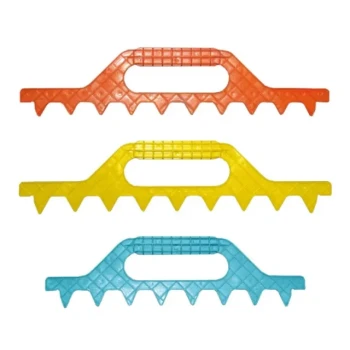
- Ergonomic Plastic Frame Spacer Tool for Rapid Hive Management Beekeeping
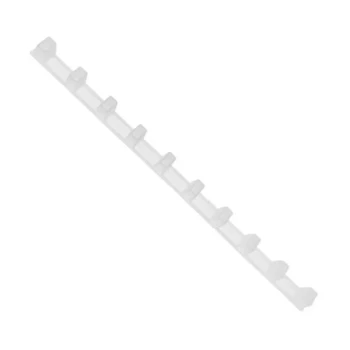
- Durable Plastic Frame Spacer
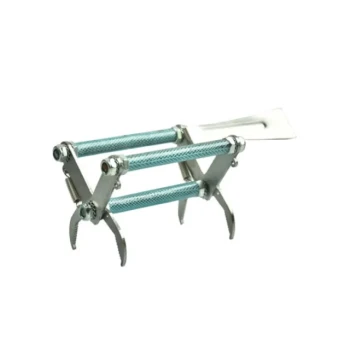
- Professional 3-Bar Frame Grip with Integrated Hive Tool
- Wooden Bee Hive Frames for Beekeeping and Wholesale
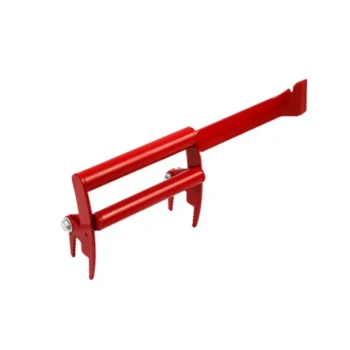
- Heavy-Duty Lever-Action Frame Grip with Hive Tool
People Also Ask
- What specific challenges do beekeeping hive tools address during hive maintenance? Essential Solutions for Apiaries
- How do specialized beehive management tools assist in the routine maintenance of bee colonies? Boost Hive Efficiency
- How do specialized beehive management tools support high-purity honey production? Master Monofloral Isolation
- What are the approximate costs of basic beekeeping tools? Start Your Apiary for Under $85
- How do traditional harvesting tools like axes and machetes negatively affect bee colonies? Upgrade to Professional Gear