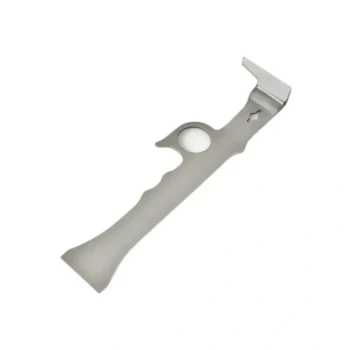
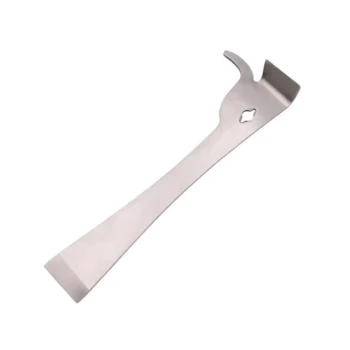
Precision management of time and space is the key to monofloral purity. Specialized beehive tools support the production of high-purity honey by enabling beekeepers to physically isolate hive frames and clear honey supers in exact alignment with specific flowering periods. This technical accuracy prevents the mixing of nectar sources, ensuring that the harvested honey retains the distinct flavor profile and nutritional value of a single botanical source.
Monofloral honey production is an engineered process, not just a natural occurrence. It relies on the rigorous synchronization of standardized equipment with blooming cycles to physically separate nectar flows, thereby elevating a basic agricultural commodity into a premium specialty product.
The Mechanics of Botanical Isolation
Synchronizing Harvests with Flowering Cycles
The primary driver of monofloral purity is the ability to manage the hive timeline. Beekeepers utilize specialized tools to clear honey supers precisely as a specific nectar flow, such as acacia, concludes.
By strictly monitoring these periods, producers ensure that the honey stored during a specific bloom is harvested before bees begin collecting nectar from a different source. This temporal isolation is the fundamental requirement for meeting consumer demands for specific flavor profiles.
Utilizing Standardized Modular Frames
Standardized hive frames are designed to optimize bee storage behavior and allow for modular operations. These precise dimensions allow beekeepers to easily swap, remove, or isolate specific frames without damaging the overall hive structure.
This flexibility allows for the physical segregation of honey batches. Beekeepers can introduce empty, clean frames at the start of a target bloom and remove them immediately upon its conclusion, guaranteeing that the extracted product is not diluted by previous or subsequent nectar sources.
Spatial and Structural Precision
Mobile Platforms for Source Targeting
To further minimize cross-contamination, advanced collection techniques involve mobile beekeeping platforms and specialized transport vehicles. These tools allow colonies to be deployed directly into the center of single-crop planting areas.
By controlling the physical location of the hive relative to the nectar source, beekeepers reduce the likelihood of bees foraging on "off-type" flowers. This spatial precision ensures high consistency in the honey’s physicochemical indicators.
Optimizing Internal Hive Structure
Scientific management of the hive's internal structure maximizes the production potential of each colony. Tools that assist in colony splitting and structure management allow for yield growth rates that significantly outpace the growth of the colony count itself.
This efficiency is crucial for commercial scalability. It allows producers to maintain the high volume necessary for profitability while adhering to the strict isolation protocols required for premium honey grades.
Common Pitfalls and Operational Trade-offs
The Requirement for Strict Monitoring
While these tools enhance purity, they demand a shift from passive beekeeping to active, data-driven management. Relying on specialized equipment requires the beekeeper to accurately monitor honey maturity and bloom cycles; a missed harvest window of even a few days can result in mixed sources, degrading the product from "monofloral" to "multifloral."
Complexity in Processing
Achieving high purity extends beyond the hive to the extraction facility. The use of professional filtration and temperature-controlled systems is necessary to remove impurities like wax debris without causing phase separation or damaging active biological components.
This equipment ensures the honey meets organic standards and geographical indication labels, but it introduces a layer of technical complexity. Producers must balance aggressive filtration to remove physical impurities with the need to preserve the pollen markers that authenticate the honey's botanical origin.
Making the Right Choice for Your Goal
To select the appropriate management strategy for your production targets, consider the following:
- If your primary focus is Premium Monofloral Certification: Prioritize mobile platforms and standardized frames to ensure strict spatial and temporal isolation of nectar sources.
- If your primary focus is Commercial Scalability: Invest in industrial standard beehives and extraction machinery to maximize harvest efficiency and streamline routine inspections.
- If your primary focus is Organic Market Positioning: Focus on advanced filtration and sedimentation facilities that remove impurities while preserving the honey’s active nutritional components.
Success in high-purity honey production is defined by the tools that allow you to exert control over the chaotic nature of a live biological system.
Summary Table:
| Feature | Specialized Tool/Technique | Impact on Honey Purity |
|---|---|---|
| Temporal Isolation | Synchronized Harvest Management | Prevents mixing of nectar sources during bloom transitions. |
| Physical Segregation | Modular Standardized Frames | Allows for precise introduction and removal of honey supers. |
| Spatial Accuracy | Mobile Beekeeping Platforms | Reduces foraging on non-target flowers by site-specific placement. |
| Yield Optimization | Colony Structure Management Tools | Maximizes production volume while maintaining strict purity grades. |
| Quality Preservation | Temperature-Controlled Filtration | Removes physical impurities without damaging bioactive components. |
Elevate Your Honey Production with HONESTBEE Professional Equipment
Transitioning from multifloral honey to premium, high-purity monofloral products requires more than just bees—it requires industrial precision. At HONESTBEE, we specialize in supporting commercial apiaries and distributors with the high-standard tools needed for technical beekeeping.
From standardized hive-making and honey-filling machines to durable hardware and essential consumables, our comprehensive wholesale catalog is designed to optimize your operational efficiency and harvest purity. Whether you are scaling your honey-themed brand or equipping a commercial apiary, we provide the machinery and expertise to help you achieve consistent, high-value results.
Ready to upgrade your apiary infrastructure? Contact HONESTBEE Today for Wholesale Solutions
References
- Dejan KLICKOVIC, Borut Bosančić. Analysis of attitudes of honey consumers in the municipality of Novi Grad (Bosnia and Herzegovina). DOI: 10.17707/agricultforest.63.2.06
This article is also based on technical information from HonestBee Knowledge Base .
Related Products
- Ergonomic Plastic Frame Spacer Tool for Rapid Hive Management Beekeeping
- HONESTBEE Professional Mini J-Hook Hive Tool for Beekeeping
- HONESTBEE Professional Multi-Functional Hive Tool with Ergonomic Wood Handle
- HONESTBEE Professional Long Handled Hive Tool with Precision Cutting Blade
- Stainless Steel J Hook Hive Tool for Beekeeping
People Also Ask
- What specific challenges do beekeeping hive tools address during hive maintenance? Essential Solutions for Apiaries
- How do specialized beehive management tools assist in the routine maintenance of bee colonies? Boost Hive Efficiency
- What additional equipment might be useful for beekeeping? Boost Hive Health & Efficiency
- How do spring inspections for honeybee starvation symptoms guide apiary management? Optimize Colony Survival & Growth
- How do traditional harvesting tools like axes and machetes negatively affect bee colonies? Upgrade to Professional Gear