To select the best nitrile gloves for beekeeping, prioritize high puncture resistance and a textured grip. You must look for a glove that offers a medium thickness to balance tactile sensitivity with safety, ensuring a snug fit to maintain dexterity. Finally, seek out options with extended cuffs to ensure your wrists remain covered and protected from stings.
While nitrile gloves are not fully sting-proof, the right pair reduces the likelihood of stings by allowing for gentler, more precise hive manipulation. The goal is to find a barrier that prevents the stinger from embedding in your skin while maintaining the dexterity required to handle bees without crushing them.
Optimizing for Protection and Dexterity
Prioritize Puncture Resistance
When evaluating glove specifications, look for high puncture resistance ratings. While nitrile is not thick enough to be strictly "sting-proof," high-quality nitrile creates a significant barrier.
If a sting does occur, this resistance helps prevent the stinger from embedding deeply into the skin. This makes removing the stinger easier and reduces the severity of the reaction.
The Critical Importance of a Snug Fit
You must choose a glove that fits tightly, functioning almost like a second skin. Loose gloves impair your ability to feel what you are touching, increasing the risk of accidentally crushing bees during inspections.
Crushed bees release alarm pheromones, which can agitate the entire colony. Furthermore, a snug fit eliminates gaps at the wrist or palm, preventing bees from crawling inside the glove.
Balancing Thickness
Select a glove with medium thickness. This offers a compromise between the heavy-duty protection of leather and the bare-hand feel of thin latex.
Thinner gloves increase sensitivity, allowing for gentler handling which keeps bees calmer. However, they offer less physical shielding against stings, so a medium gauge is often the safest starting point.
Texture and Grip
Look for gloves featuring textured fingertips or palms. Handling hive frames, heavy boxes, and hive tools requires a secure grip, especially when propolis or honey makes surfaces sticky or slick.
Enhanced grip ensures you do not drop frames, which would startle the bees and potentially injure the queen.
Addressing Cuff Length and Hygiene
Cuff Length and Wrist Protection
Standard nitrile gloves often have short cuffs, which creates a vulnerability: the gap between the glove and your bee suit.
Seek out nitrile gloves specifically designed with longer cuffs to overlap with your jacket sleeves. If you use standard length gloves, you must ensure your suit’s elastic seals completely over the glove to leave no skin exposed.
Preventing Cross-Contamination
One of the distinct advantages of nitrile is that it is disposable. Using a fresh pair for each inspection or between different apiaries prevents the spread of disease and pests.
Unlike leather gloves, which absorb odors and pathogens over time, nitrile allows you to maintain a sterile barrier between colonies.
Understanding the Trade-offs
Protection vs. Sensitivity
It is vital to understand that nitrile gloves do not offer 100% sting protection. They are a trade-off: you sacrifice the impenetrable armor of thick leather for the superior dexterity of synthetic rubber.
The philosophy behind using nitrile is that by feeling the bees and working gently, you provoke fewer defensive attacks in the first place.
Durability and Comfort
Nitrile is less durable than leather and will rip if snagged on sharp hive tools or hardware. You will need to replace them frequently.
Additionally, nitrile is non-breathable. In hot weather, this can lead to sweaty hands, which may be uncomfortable during long inspections. Some beekeepers mitigate this by wearing thin cotton liners underneath.
Making the Right Choice for Your Goal
Select your gloves based on your specific comfort level and apiary conditions:
- If your primary focus is Pest and Disease Control: Prioritize disposable, cost-effective gloves to ensure you use a fresh pair for every single hive inspection.
- If your primary focus is Handling Aggressive Hives: Opt for the thickest gauge nitrile available with extra-long cuffs, or consider wearing nitrile underneath a heavier glove.
- If your primary focus is Precision and Gentleness: Choose a textured, snug-fitting glove with medium-to-thin thickness to maximize tactile feedback and minimize clumsy movements.
The best nitrile glove is one that gives you the confidence to work calmly, using dexterity as your primary defense.
Summary Table:
| Feature | Priority Level | Benefit for Beekeeping |
|---|---|---|
| Puncture Resistance | High | Reduces sting depth and prevents stinger embedding |
| Snug Fit | Essential | Prevents crushing bees and avoids alarm pheromones |
| Thickness | Medium | Balances tactile sensitivity with physical protection |
| Texture/Grip | High | Ensures secure handling of slick frames and hive tools |
| Cuff Length | Extended | Eliminates gaps between the glove and beekeeping suit |
Elevate Your Apiary Management with HONESTBEE
At HONESTBEE, we understand that professional beekeeping requires the perfect balance of protection and precision. Whether you are a commercial apiary or a distributor, we provide a comprehensive wholesale range of beekeeping tools, machinery, and essential consumables designed for efficiency.
From high-quality protective gear to advanced honey-filling machines and hive-making hardware, our portfolio supports every aspect of your business. Contact us today to discover how our premium equipment and tailored wholesale solutions can help your apiary thrive!
Related Products
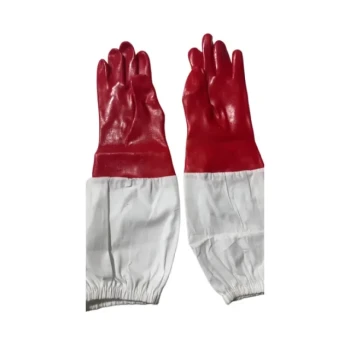
- Heavy Duty Red Rubber Beekeeping Gloves with Extended Pure Cotton Sleeves for Beekeepers
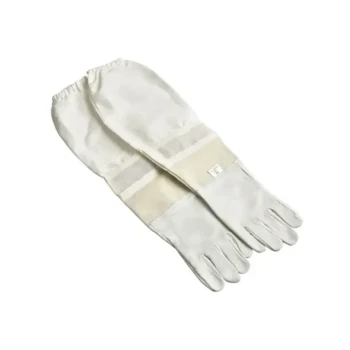
- Beekeeping Gloves Goatskin Leather with Long Cotton Sleeve for Beekeepers
- Goatskin Leather Beekeeper Gloves with Vent Long Sleeve for Beekeeping Honey Bee Sting Proof Protection
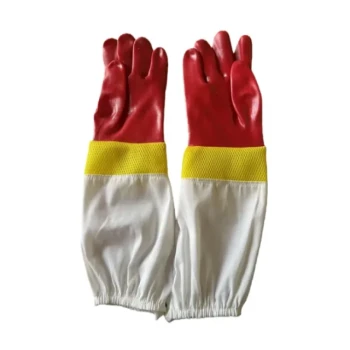
- Heavy Duty Red Rubber Beekeeping Gloves with Vented Mesh Cotton Sleeves
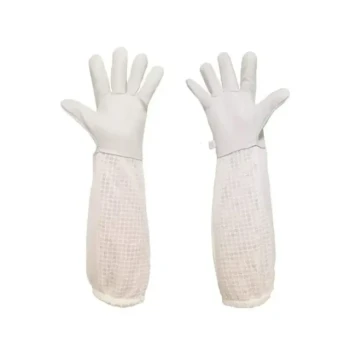
- Premium Ventilated Goatskin Beekeeping Gloves with Full 3-Layer Mesh Sleeve
People Also Ask
- When might a beekeeper decide to work without gloves? Master Hive Finesse and Dexterity
- Why is cleaning beekeeping gloves necessary? Vital Steps for Apiary Biosecurity and Hive Management
- What factors should be considered when selecting beekeeping gloves? Balance Protection and Dexterity
- What are the benefits of properly cleaning and storing beekeeping gloves? Protect Your Bees, Safety & Investment
- Why is personal preference important when choosing beekeeping gloves? Find Your Perfect Fit for Protection & Dexterity