Cleaning beekeeping gloves is a non-negotiable protocol for responsible apiary management. It is primarily necessary to prevent the cross-contamination of diseases and pests between colonies, while also removing residual alarm pheromones that can trigger aggressive defensive behavior in bees during inspections.
The Core Insight While often viewed merely as a way to extend equipment life, the true value of cleaning gloves lies in biosecurity. Clean gloves break the chain of pathogen transmission and neutralize the chemical signals that incite stinging, ensuring a safer environment for both the beekeeper and the hive.
The Biological Risks of Dirty Gear
Preventing Disease Transmission
The most critical reason for cleaning gloves is to halt the spread of pathogens. Beekeeping gloves act as a vector, carrying bacteria, viruses, and parasites from a sick hive to a healthy one.
Without regular cleaning, you risk mechanically transferring diseases or pests—such as bacteria or microscopic mites—across your entire apiary. This creates a "super-spreader" event that can threaten large-scale outbreaks and compromise high-yield honey production.
Managing Colony Aggression
Bees rely heavily on their sense of smell to identify threats. When a bee stings your glove, it leaves behind alarm pheromones and venom residues.
If these residues remain on the fabric or leather, the next colony you inspect will detect the chemical signal of a previous attack. This immediately agitates the bees, increasing defensive behavior and significantly raising the likelihood of further stings.
Operational Efficiency and Equipment Longevity
Maintaining Manual Dexterity
Over time, gloves accumulate sticky residues from honey, beeswax, and propolis. This buildup stiffens the material and reduces your tactile sensitivity.
Cleaning is essential to restore manual dexterity. Beekeepers perform fine-scale operations; stiff gloves increase the risk of clumsy handling, which can result in accidentally crushing worker bees or, more critically, harming the queen.
Protecting Your Investment
Quality beekeeping gloves are specialized tools designed to resist punctures while allowing movement. However, the organic matter they collect can degrade the materials over time.
Routine cleaning prevents debris and waste from rotting the fabric or leather. This simple maintenance extends the lifespan of the gloves, ensuring you do not have to replace expensive protective gear prematurely.
Understanding the Risks of Neglect
While cleaning takes time, the "trade-off" of skipping this step is almost always a net loss for the apiary.
The False Economy of Time Savings It may seem efficient to move rapidly from hive to hive without pausing to clean gear. However, this small time saving is negated by the potential loss of a colony to disease or the increased difficulty of managing an agitated, aggressive hive.
Compromised Hive Hygiene Neglected gear provides a breeding ground for pests. Debris left on tools and gloves can harbor eggs or larvae of pests like wax moths. By failing to clean, you inadvertently provide a foothold for infestations that damage the comb and hive structure.
Making the Right Choice for Your Apiary
To maintain a healthy and manageable apiary, align your cleaning habits with your specific management goals:
- If your primary focus is Biosecurity: Sanitize your gloves thoroughly between every hive inspection to prevent the spread of contagious pathogens.
- If your primary focus is Handling Safety: Wash gloves immediately after any stinging incident to neutralize alarm pheromones and prevent future aggression.
- If your primary focus is Equipment Longevity: Remove sticky propolis and wax buildup after every session to keep the material flexible and durable.
Treat your protective gear with the same level of care as your hives, because a clean glove is the first line of defense in sustainable beekeeping.
Summary Table:
| Reason for Cleaning | Primary Benefit | Operational Impact |
|---|---|---|
| Pathogen Control | Prevents cross-contamination | Halts the spread of bacteria, viruses, and mites |
| Pheromone Neutralization | Reduces colony aggression | Minimizes stings by removing alarm pheromones |
| Residue Removal | Restores manual dexterity | Prevents accidental bee crushing and queen injury |
| Material Maintenance | Extends equipment life | Protects leather and fabric from organic rot |
Maximize Your Apiary Productivity with HONESTBEE
At HONESTBEE, we understand that high-performance beekeeping requires more than just skill—it requires professional-grade equipment and meticulous hygiene. As a leading partner for commercial apiaries and global distributors, we provide a comprehensive wholesale range designed for durability and biosecurity.
Why Partner with HONESTBEE?
- Complete Equipment Solutions: From heavy-duty protective gloves to advanced hive-making and honey-filling machinery.
- Industry-Leading Consumables: A wide array of essential supplies to keep your operations running smoothly.
- Commercial Expertise: Tailored support for large-scale honey production and specialized beekeeping hardware.
Don't let contaminated gear compromise your honey yield or colony health. Contact us today to explore our wholesale catalog and discover how HONESTBEE can empower your beekeeping business with the tools and insights you need for long-term success.
Related Products
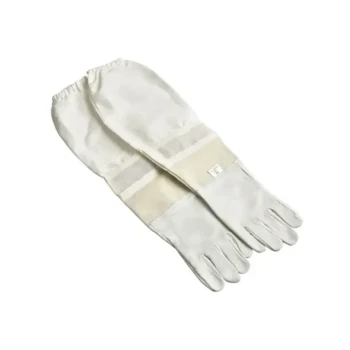
- Beekeeping Gloves Goatskin Leather with Long Cotton Sleeve for Beekeepers
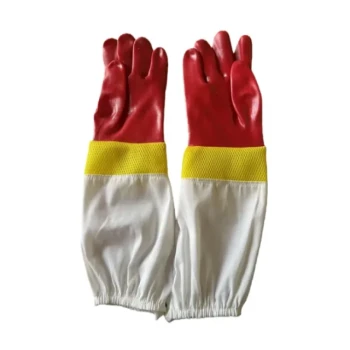
- Heavy Duty Red Rubber Beekeeping Gloves with Vented Mesh Cotton Sleeves
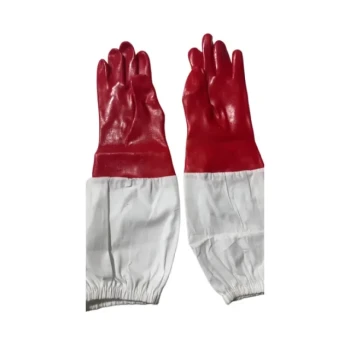
- Heavy Duty Red Rubber Beekeeping Gloves with Extended Pure Cotton Sleeves for Beekeepers
- Goatskin Leather Beekeeper Gloves with Vent Long Sleeve for Beekeeping Honey Bee Sting Proof Protection
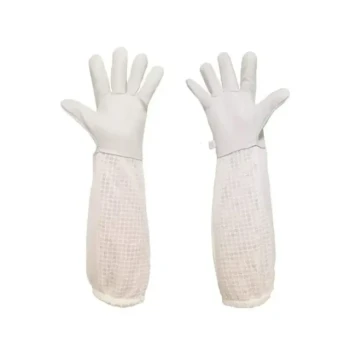
- Premium Ventilated Goatskin Beekeeping Gloves with Full 3-Layer Mesh Sleeve
People Also Ask
- What are the characteristics of the best gloves for beekeeping? Choose Protection & Dexterity
- What are the primary purposes of using beekeeping gloves? Protect Your Hands and Ensure Apiary Hygiene
- What types of gloves are available for beekeeping? Choose the Right Protection for Your Hive
- Why is it important for beekeepers to wear gloves? Essential Safety and Confidence for Hive Management
- Why do some experienced beekeepers opt not to wear gloves? Discover the Benefits of Tactile Precision