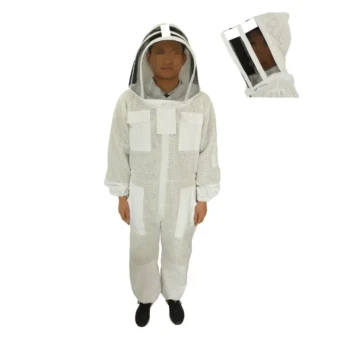
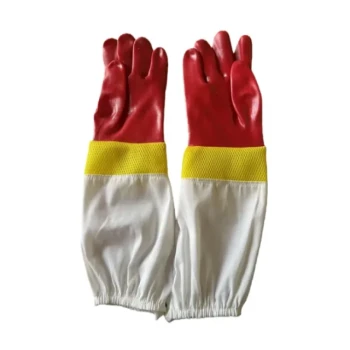
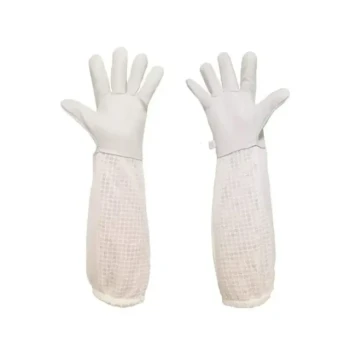
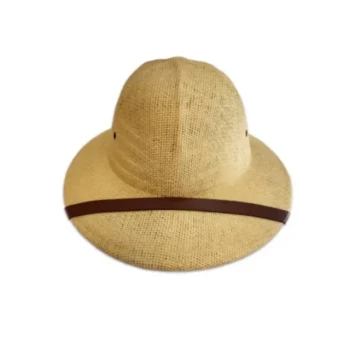
Effective treatment of propolis and wax requires a two-step approach: manual removal followed by targeted pre-treatment. Before utilizing a washing machine, you must physically scrape away excess resin and wax from the fabric. Once the bulk is removed, apply a dedicated stain remover or soap directly to the affected area and rinse thoroughly to break down the residue.
Success lies in preparation, not just the wash cycle. Because propolis is a resin and wax is water-repellent, standard detergent alone is rarely enough; manual scraping and targeted pre-treatment are essential to protect both your apparel and your washing machine.
Preparing the Fabric
Before you attempt a machine wash, you must prepare the garment to ensure the wash is effective and safe for your appliances.
Manual Removal
You must mechanically remove the bulk of the debris first. Manually scrape off any excess propolis or wax buildup from the fabric.
Failing to remove these solids can result in redepositing the mess onto other parts of the suit or clogging your washing machine.
Targeting the Stain
Once the solids are removed, the remaining stain requires chemical breakdown. Apply a dedicated stain remover or soap directly to the spot.
After applying the treatment, rinse the garment before placing it in the washing machine. This pre-wash step significantly improves the final cleanliness of the apparel.
Deep Cleaning Techniques
For gear that has seen heavy use, simple spot treatment may not be sufficient.
The Soaking Method
If your clothing is heavily soiled with hive materials and grime, bypass the immediate wash.
Soak the items in a mixture of warm water and strong detergent. This process helps loosen embedded debris and grime before the standard washing cycle begins.
Specialized Care for Gloves
Gloves often accumulate the thickest deposits of propolis and require specific tactics to avoid damaging the leather or synthetic material.
The Freezing Technique
To handle thick deposits on gloves, place them in a freezer. The cold makes the sticky propolis brittle, allowing you to easily scrape it off with a blunt knife.
Chemical Solvents
Alternatively, you can use chemistry to dissolve the bond. Apply rubbing alcohol to dissolve the propolis, or use vegetable oil to break down the sticky residue.
Always follow this solvent treatment by washing the gloves with mild detergent and water to remove the oil or alcohol.
Understanding the Trade-offs
While these methods are effective, it is important to manage your expectations regarding beekeeping gear.
Aesthetic vs. Functional Cleanliness
Propolis is a potent natural dye and resin. While pre-treatment significantly improves cleanliness, some stains may be difficult to remove entirely.
Do not equate a lingering stain with a dirty suit; focus on removing the sticky texture and hygiene rather than achieving a perfectly white appearance.
The Risk of Skipping Steps
It is tempting to throw gear directly into the wash, but this is a critical error. Without manual scraping and rinsing, wax can coat your washing machine drum, potentially ruining the appliance or future loads of laundry.
Maintaining Your Equipment's Longevity
Different levels of soil require different levels of intervention.
- If your primary focus is Routine Maintenance: Always scrape and pre-treat stains with soap prior to washing to prevent buildup.
- If your primary focus is Heavily Soiled Gear: Utilize a warm water and strong detergent soak to loosen grime before machine washing.
- If your primary focus is Cleaning Gloves: Use freezing to chip away bulk propolis or rubbing alcohol to dissolve sticky residue.
Consistent pre-treatment ensures your protective gear remains functional and hygienic for the long haul.
Summary Table:
| Cleaning Method | Target Material | Key Action | Best For |
|---|---|---|---|
| Manual Scraping | Bulk Propolis/Wax | Mechanical removal with a blunt tool | Pre-wash preparation |
| Freezing | Thick Deposits | Makes residue brittle for easy chipping | Gloves and heavy gear |
| Chemical Solvents | Sticky Residue | Rubbing alcohol or vegetable oil application | Dissolving stubborn bonds |
| Detergent Soaking | Heavy Grime | Warm water soak with strong detergent | Heavily soiled suits |
| Pre-treatment | Remaining Stains | Targeted stain remover and thorough rinsing | Protecting washing machines |
Maximize Your Apiary Efficiency with HONESTBEE
Maintaining your gear is just the first step—ensure your entire operation is equipped for success with professional-grade solutions. HONESTBEE serves commercial apiaries and global distributors with a comprehensive wholesale range, including:
- Advanced Machinery: Hive-making and honey-filling machines designed for high-volume production.
- Professional Hardware: Durable beekeeping tools and equipment built for longevity.
- Essential Consumables: A wide array of industry-standard supplies for daily operations.
- Cultural Merchandise: Unique honey-themed products to expand your retail portfolio.
Ready to scale your beekeeping business or optimize your supply chain? Contact us today to discover how our wholesale expertise and full-spectrum equipment can drive your growth.
Related Products
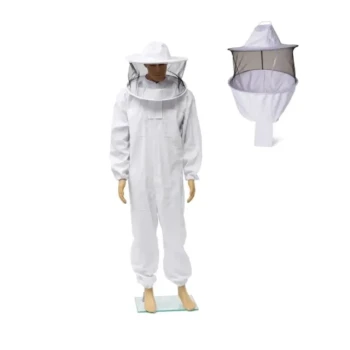
- Professional Cotton Beekeeper Suit with Round Veil Design for Commercial Apiaries
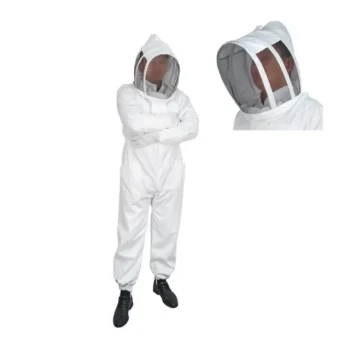
- Premium Cotton Beekeeper Suit with Reinforced Fencing Veil
- White Cotton Beekeeping Jacket and Veil for Bee Keepers
- Beekeeping Jacket with Hood and Veil for Beekeepers
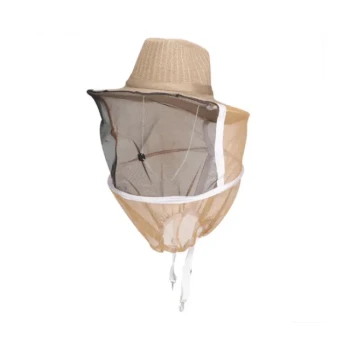
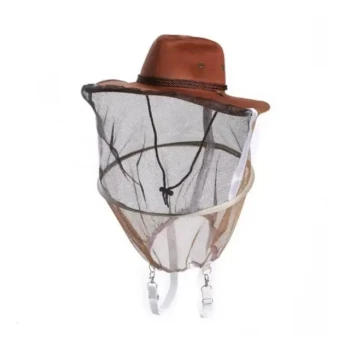
- Beekeeper Cowboy Hat and Veil for Beekeeping
People Also Ask
- What material and design specifications are recommended for a high-quality beekeeper suit? Top Gear Selection Guide
- How to Pre-treat Propolis Stains on Beekeeping Suits? Master Advanced Fabric Care and Soil Removal
- Why is it important to keep a beekeeping suit clean? Essential Safety & Maintenance Tips
- Is it generally safe to wash a beekeeping suit in a washing machine? Maintain Your Safety Gear Properly
- What are the primary functional requirements for a beekeeping suit to ensure user safety? Professional Sourcing Guide