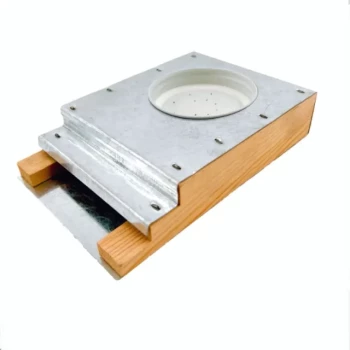
To prevent robbing while using an entrance feeder during a nectar dearth, you must position the active hive entrance on the opposite side of the box from where the feeder is located. This physical separation forces potential robbers to bypass the colony's primary defenses to locate the sugar water, significantly reducing the likelihood of a successful attack.
Strategies for feeding during a dearth rely on making resource access difficult for outsiders. By offsetting the feeder from the entrance, you complicate the path for robber bees and give your colony a tactical advantage.
Optimizing Hive Defense
Strategic Placement
The location of your feeder relative to the entrance is your first line of defense. If you place the feeder on the far left of the landing board, the entrance should be restricted to the far right.
This configuration prevents the scent of the syrup from drifting directly out of the open entrance. It creates a "dead zone" that confuses scout bees looking for an easy meal.
Narrowing the Perimeter
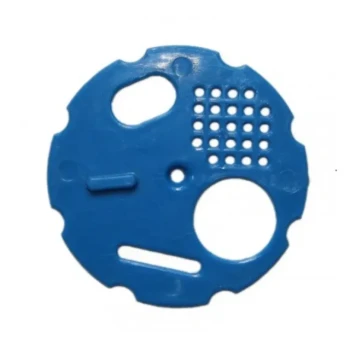
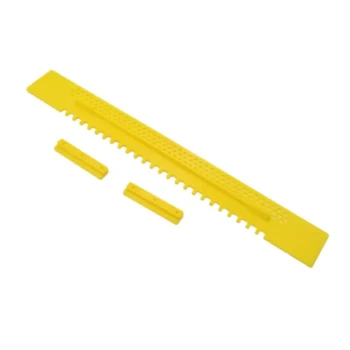
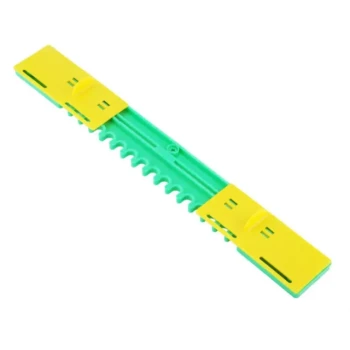
Simply moving the entrance is often not enough during a severe dearth. You must also reduce the size of the opening using an entrance reducer, stick, or mesh guard.
The opening should be small enough to allow only one or two bees to pass at a time. This creates a "bottleneck" that allows the resident guard bees to defend the hive efficiently against a larger number of intruders.
Critical Safety Protocols
Emergency Isolation
If you observe a severe robbing frenzy despite your precautions, you may need to escalate your response. In these cases, you should close the hive entrance completely using a screen, stick, or wet towel.
This total closure should only last for one to two hours. This brief period is usually sufficient to break the cycle of the robbing behavior and encourage the attackers to move on.
The Ventilation Trade-off
Closing a hive completely presents a significant risk of overheating, particularly in the high temperatures of summer. You must ensure the colony has adequate ventilation while the entrance is sealed.
Screened bottom boards are essential in this scenario to maintain airflow. Additionally, providing temporary shade for the hive can prevent the colony from succumbing to heat stress during the lockdown.
Ensuring Colony Survival
To successfully manage your hive during a resource scarcity, apply the following protocols:
- If your primary focus is prevention: Position the entrance on the opposite side of the feeder and restrict the opening to the width of one or two bees.
- If your primary focus is stopping an active attack: Temporarily seal the entrance completely for up to two hours to break the cycle.
- If you must seal the hive: Verify that a screened bottom board is open and shade is provided to prevent fatal overheating.
Vigilance during a dearth is the difference between a fed colony and a robbed one.
Summary Table:
| Defense Strategy | Action Required | Primary Benefit |
|---|---|---|
| Feeder Placement | Position on the opposite side of the landing board from the entrance | Confuses robber scouts and separates scent from the opening |
| Entrance Width | Reduce opening to allow only 1-2 bees at a time | Creates a manageable bottleneck for resident guard bees |
| Active Attack | Seal entrance with mesh or wet towel for 1-2 hours | Breaks the robbing cycle and encourages intruders to leave |
| Heat Management | Use screened bottom boards and provide temporary shade | Prevents colony overheating during emergency entrance closure |
Secure Your Apiary’s Success with HONESTBEE
Protecting your colony during a nectar dearth is critical for long-term productivity. At HONESTBEE, we specialize in supporting commercial apiaries and distributors by providing the industry's most reliable beekeeping tools, machinery, and consumables.
Whether you need precision-engineered hive-making machines, high-efficiency honey-filling equipment, or a bulk supply of essential hardware and specialized hive components, we deliver the quality you need to scale your operations. From professional-grade feeders to honey-themed cultural merchandise, our comprehensive wholesale offering is designed to add value to your business and ensure your colonies thrive.
Ready to upgrade your equipment or restock your inventory?
Contact HONESTBEE today to discuss our wholesale solutions
Related Products
- HONESTBEE Entrance Bee Feeder Efficient Hive Front Liquid Feeding Solution for Beekeeping
- HONESTBEE Entrance Bee Feeder Professional Hive Nutrition Solution for Beekeeping
- Professional Hive Front Entrance Bee Feeder
- Classic Boardman Entrance Bee Feeder Hive Front Feeding Solution
- HONESTBEE Professional Entrance Bee Feeder Hive Nutrition Solution
People Also Ask
- What types of bee feeders are available for beginners? Start with the Simple Entrance Feeder
- What are the advantages and disadvantages of using an entrance feeder for bees? Balance Convenience and Hive Security.
- What is a bee entrance feeder and what are its drawbacks? Essential Guide to Hive Security and Feeding Efficiency
- How does a bee entrance feeder work? A Simple Guide to Convenient Hive Feeding
- How to make an entrance feeder for bees? A DIY Guide for Safe & Effective Feeding